
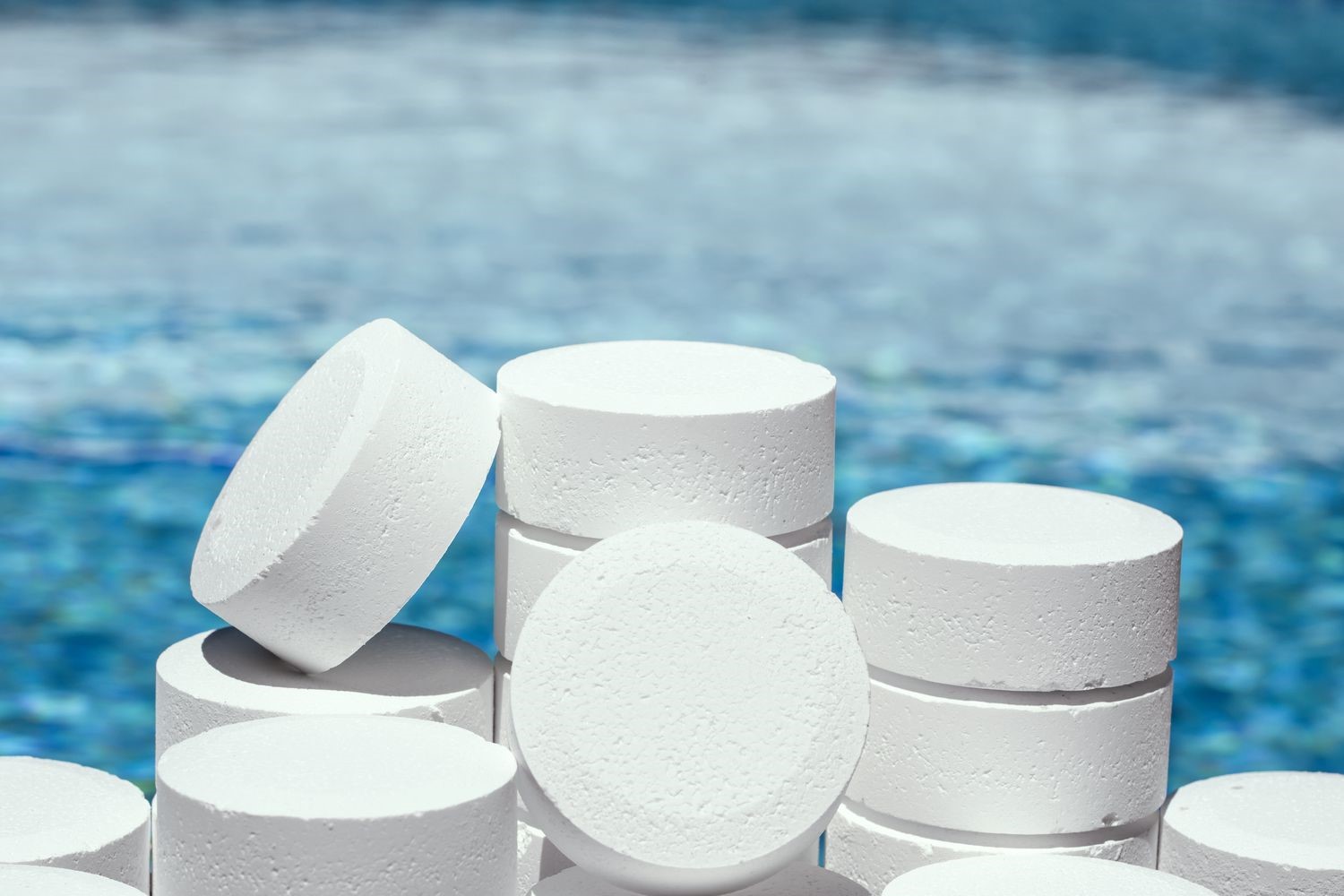
Troubleshooting Disinfection Byproducts Using Sodium Hypochlorite in Municipal Drinking Water Disinfection
Municipal water treatment facilities face significant challenges in balancing effective disinfection with minimizing harmful disinfection byproducts (DBPs). Sodium hypochlorite (NaOCl) remains a widely adopted disinfectant due to its cost-effectiveness and operational simplicity. However, improper application can lead to elevated DBP levels, posing serious regulatory and public health concerns. This article addresses common DBP issues in sodium hypochlorite-based disinfection systems and provides actionable solutions for municipal water treatment operators.
Understanding DBP Formation
Disinfection byproducts form when disinfectants react with organic matter, inorganic ions, and bromide in source water. With sodium hypochlorite, the primary DBPs include trihalomethanes (THMs) and haloacetic acids (HAAs). Key factors contributing to excessive DBP formation include:
- High organic content in source water
- Inappropriate chlorine dosage
- Elevated pH levels (>7.5)
- Extended contact time
- Inadequate pre-treatment processes
These compounds are regulated by EPA and WHO due to potential carcinogenic effects, making DBP management critical for compliance and public health protection.
Effective Troubleshooting Strategies
- Optimize Sodium Hypochlorite Dosage
Implement real-time monitoring of raw water quality parameters (TOC, pH, temperature) and adjust dosing accordingly. Automated systems with feedback loops significantly reduce DBP formation compared to manual dosing. - Enhance Pre-Treatment Processes
Strengthen coagulation/flocculation to remove organic precursors before disinfection. Consider adding activated carbon filtration or advanced oxidation processes (AOPs) to reduce DBP formation potential. - Adjust Water Chemistry Parameters
Maintain optimal pH (6.5-7.5) for sodium hypochlorite disinfection. Consider using chlorine dioxide or ozone as alternative disinfectants for specific high-DBP scenarios. - Implement Advanced Monitoring Systems
Deploy continuous DBP monitoring technologies and conduct regular water quality testing to establish baseline levels and track treatment effectiveness.
ENVO CHEMICAL’s Comprehensive Solution
ENVO CHEMICAL provides specialized water treatment chemicals and technical expertise to effectively manage DBP challenges in municipal drinking water systems. Our sodium hypochlorite solutions are engineered for optimal performance with minimal byproduct formation. We offer:
- Customized sodium hypochlorite formulations tailored to your specific water chemistry
- Comprehensive water quality analysis and DBP risk assessment
- On-site technical support for dosage optimization and system calibration
- Advanced monitoring and reporting systems for continuous improvement
Our R&D capabilities ensure we deliver cost-effective, regulatory-compliant solutions that maintain effective disinfection while significantly reducing DBP formation.
Frequently Asked Questions
Q: What are the most common disinfection byproducts formed when using sodium hypochlorite?
A: The primary DBPs include trihalomethanes (THMs) and haloacetic acids (HAAs), which are regulated under EPA’s Stage 2 Disinfectants and Disinfection Byproducts Rule.
Q: How can I reduce DBP formation without compromising disinfection efficacy?
A: Optimize sodium hypochlorite dosage based on real-time water quality data, improve pre-treatment to remove organic precursors, and maintain optimal pH levels (6.5-7.5).
Q: Does ENVO CHEMICAL offer customized solutions for municipal water treatment plants?
A: Absolutely. Our technical team conducts comprehensive assessments of your specific water chemistry and treatment challenges to develop tailored DBP reduction strategies.
Q: How quickly can ENVO CHEMICAL help implement a DBP reduction solution?
A: We provide a preliminary assessment within 48 hours and a customized solution plan within 1-2 weeks, with implementation support available immediately.
Take Action Today
Don’t let disinfection byproducts compromise your water quality compliance or public health. ENVO CHEMICAL’s water treatment chemicals and technical expertise provide reliable, cost-effective solutions for municipal drinking water systems seeking to minimize DBPs while maintaining effective disinfection.
Contact our water treatment specialists today for a comprehensive assessment of your system and a customized DBP reduction strategy. Our team is ready to help you achieve optimal water quality and regulatory compliance.
