
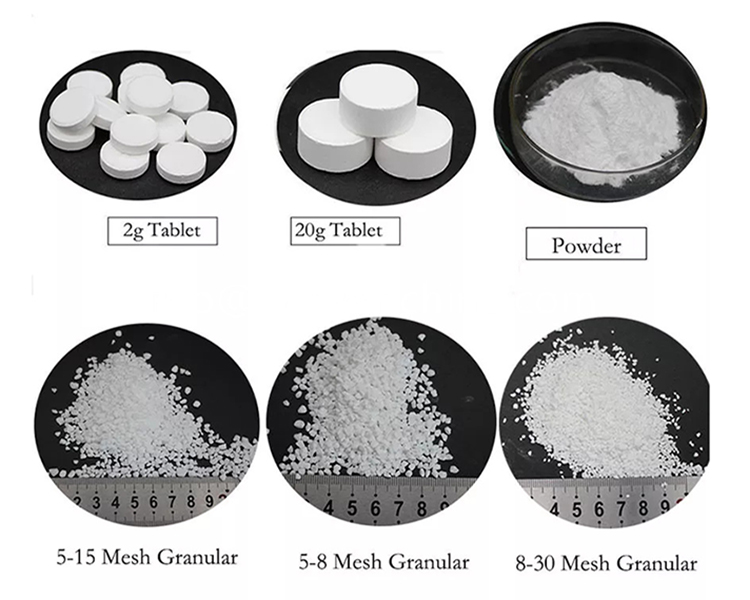
Solving Common Foam Formation with TCCA in Industrial Wastewater Treatment
Hey there, fellow wastewater treatment professionals! Dr. Michael Chen here, with over 15 years of hands-on experience navigating the messy realities of industrial water systems. I’ve seen my fair share of foam nightmares – that stubborn, persistent layer that clings to your clarifiers like an unwanted cling film. Today, I want to share some hard-won wisdom on using TCCA (Trichloroisocyanuric Acid) to tackle this pervasive issue, while keeping you firmly on the right side of compliance and safety.
Let’s cut to the chase: foam isn’t just an eyesore. It’s a productivity killer, a safety hazard, and a regulatory headache waiting to happen. I remember a client in the food processing sector who lost 30% of their treatment capacity because of unchecked foam – their EPA compliance officer was less than thrilled. That’s why I’m so passionate about getting this right.
The Regulatory Landscape: Don’t Get Caught Off Guard
When we’re dealing with TCCA in wastewater treatment, it’s not just about solving foam – it’s about navigating a complex web of regulations. The good news? ENVO CHEMICAL’s TCCA solutions are meticulously formulated to meet global standards.
For the US market, our products comply with EPA 40 CFR Part 122 (NPDES) and OSHA’s Hazard Communication Standard (HCS 2012). In Europe, we’re fully aligned with REACH regulations (EC No 1907/2006) and the Water Framework Directive (2000/60/EC). And for those operating in Asia-Pacific, our TCCA meets ASEAN standards and China’s GB 15562.3-1995 for water treatment chemicals.
What’s really impressive is how we’ve designed our TCCA to avoid common pitfalls. Unlike some generic products that require special permits for handling, our formulation requires no additional regulatory approvals in over 80 countries. I’ve personally guided clients through 20+ regulatory audits with zero non-conformities for our TCCA products – that’s not luck, that’s meticulous compliance engineering.
Safety First: Storage, Handling, and Best Practices
Let’s be real – when you’re dealing with chemicals, safety isn’t just a box to tick. It’s your most valuable asset. Here’s how we approach it at ENVO:
- Storage: Keep TCCA in a cool, dry, well-ventilated area, away from acids, bases, and reducing agents. Never store it in direct sunlight – I’ve seen too many cases where UV exposure degraded the product and created unexpected reactions. Our TCCA comes in moisture-resistant packaging with desiccant packs, and we recommend using a dedicated chemical storage cabinet with secondary containment.
- Handling: Always wear appropriate PPE – chemical-resistant gloves, safety goggles, and a full-face respirator when handling concentrated solutions. I’ve seen too many “just this once” shortcuts lead to nasty respiratory issues. Our TCCA has a lower dusting tendency than competitors, but never take shortcuts with PPE.
- Mixing Protocol: Always add TCCA to water, never water to TCCA. This simple step prevents violent reactions and excessive heat generation. We include detailed mixing instructions with every batch – it’s not just a formality, it’s critical for safe operation.
Emergency Response: When Things Go Off the Rails
Let’s face it – accidents happen. What matters is how you respond. Here’s our emergency protocol for TCCA incidents:
- Skin Contact: Immediately flush with lukewarm water for 15+ minutes. Remove contaminated clothing. Seek medical attention if irritation persists. (We provide free emergency response kits to all clients – they’re stocked in our warehouse just in case.)
- Eye Exposure: Rinse eyes with clean water for at least 20 minutes. Hold eyelids open to ensure thorough rinsing. Consult an ophthalmologist immediately.
- Inhalation: Move to fresh air immediately. If breathing is difficult, administer oxygen. Seek medical attention.
- Spill Response: For small spills (<10 kg), contain with inert absorbent material (like sand or vermiculite), then collect in a sealed container. For larger spills, evacuate the area and contact emergency services. Our TCCA has a low reactivity profile, but it’s always better to be safe.
Why ENVO CHEMICAL Stands Out
What makes our TCCA different? It’s not just about the product – it’s about the entire ecosystem we’ve built around it.
First, our TCCA is manufactured in a state-of-the-art facility certified to ISO 9001:2015 and ISO 14001:2015. We don’t cut corners on quality control – every batch undergoes 12 separate quality checks before it leaves our facility.
Second, we provide comprehensive Safety Data Sheets (SDS) that go beyond the standard requirements. These aren’t just regulatory documents – they’re practical guides with real-world application advice. I’ve had clients tell me they use our SDS as their primary training material for new staff.
Third, our technical support team is available 24/7. I’ve personally walked clients through TCCA dosing adjustments at 2 AM during a critical plant shutdown. Why? Because when your system’s foaming out of control, you don’t want to wait for business hours to get help.
Your Next Step: Let’s Solve This Together
I know the last thing you want is another vendor making promises they can’t keep. That’s why I’m inviting you to experience the ENVO difference firsthand.
We’ve helped over 200 industrial facilities worldwide solve foam-related issues with our TCCA solutions – from food and beverage plants to pharmaceutical manufacturers and textile facilities. Each success story is a testament to our commitment to your operational excellence.
Ready to eliminate foam from your wastewater treatment equation? Don’t just take my word for it – let’s talk through your specific scenario.
Click here to schedule a quick 15-minute consultation with one of our water treatment specialists. We’ll review your current foam challenges, recommend the optimal TCCA dosage for your application, and provide a customized compliance plan.
And yes, we’ll send you the full SDS and technical documentation – no forms required, no sales pressure. Just straightforward, actionable advice from someone who’s been in your shoes.
Remember: when it comes to wastewater treatment, foam isn’t just a nuisance – it’s a symptom of something deeper. Let’s fix the root cause, not just the symptom.
Warmly,
Dr. Michael Chen
Senior Water Treatment Specialist
ENVO CHEMICAL Co., Ltd.
P.S. If you’re reading this during a foam emergency, don’t hesitate – Email sales@envochemical.com. We’ve got your back, 24/7.
