
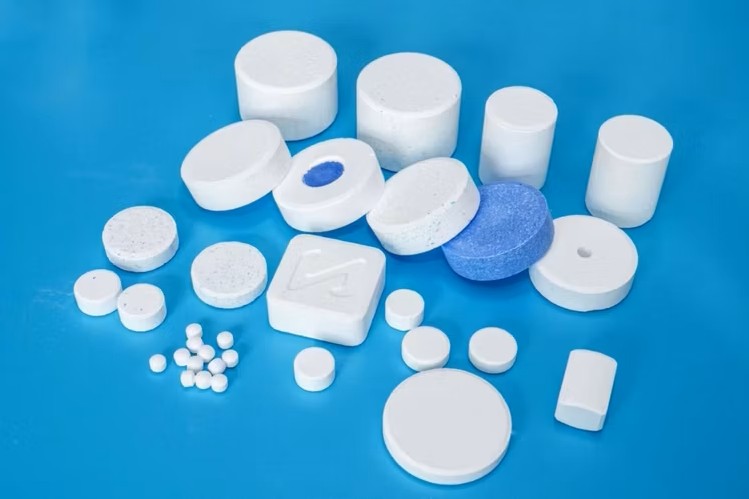
Solving Common Phosphorus Reduction with Calcium Hypochlorite in Industrial Wastewater Treatment
Phosphorus pollution in industrial wastewater represents a significant environmental challenge that requires effective treatment solutions. As regulatory standards become increasingly stringent worldwide, industries must implement reliable phosphorus reduction methods to prevent eutrophication, harmful algal blooms, and ecosystem disruption in receiving water bodies. Among the various treatment approaches, calcium hypochlorite has emerged as a highly effective, cost-efficient solution for phosphorus removal in industrial wastewater treatment systems.
The Phosphorus Challenge in Industrial Wastewater
Industrial processes across sectors like food processing, chemical manufacturing, and textile production generate wastewater with elevated phosphorus levels. Excessive phosphorus discharge can trigger algal blooms, deplete dissolved oxygen, and ultimately harm aquatic ecosystems. Traditional phosphorus removal methods often rely on aluminum or iron salts, which can be costly, generate substantial sludge, and may not effectively address all phosphorus forms present in complex industrial effluents.
Why Calcium Hypochlorite Delivers Superior Results
Calcium hypochlorite (Ca(OCl)₂) offers a dual-action mechanism for phosphorus reduction that addresses these limitations:
- Oxidation: Breaks down organic phosphorus compounds into inorganic forms
- Precipitation: Converts inorganic phosphates into insoluble calcium phosphate
This combined approach achieves phosphorus removal rates of up to 95% while generating significantly less sludge compared to conventional chemical treatments. The solid form of calcium hypochlorite also simplifies storage, handling, and transportation logistics, making it particularly advantageous for industrial applications.
Implementation Best Practices
For optimal phosphorus reduction with calcium hypochlorite:
- Conduct comprehensive wastewater analysis to determine phosphorus concentration and speciation
- Perform small-scale pilot tests to establish precise dosage requirements
- Implement a controlled dosing system for consistent application
- Monitor effluent quality regularly to ensure regulatory compliance
- Adjust dosage based on seasonal variations and process changes
The technology integrates seamlessly with existing treatment infrastructure, requiring minimal modifications to current wastewater treatment systems.
Key Advantages of Calcium Hypochlorite
- Cost Efficiency: Lower operational costs compared to aluminum/iron-based systems
- Versatility: Effective against both organic and inorganic phosphorus compounds
- Reduced Sludge: Minimizes waste disposal costs and environmental impact
- Simplified Handling: Solid form eliminates complex storage requirements of liquid chemicals
- Regulatory Compliance: Helps meet increasingly strict phosphorus discharge limits
Frequently Asked Questions (FAQ)
Q: How does calcium hypochlorite specifically target phosphorus in wastewater?
A: Calcium hypochlorite works through oxidation of organic phosphorus compounds and precipitation of inorganic phosphates as calcium phosphate, effectively removing phosphorus from the water.
Q: Is calcium hypochlorite safe for industrial wastewater treatment applications?
A: Yes, when used according to recommended dosages and safety protocols, calcium hypochlorite is safe and effective for phosphorus removal.
Q: How does calcium hypochlorite compare to other phosphorus removal methods in terms of cost?
A: Calcium hypochlorite typically offers a lower cost per unit of phosphorus removed compared to aluminum or iron-based treatments, with reduced sludge handling costs.
Q: Can calcium hypochlorite be used for other water treatment applications?
A: Yes, calcium hypochlorite is also widely used for disinfection, odor control, and other water treatment applications.
Q: How do I determine the correct dosage for my specific wastewater stream?
A: A wastewater analysis and small-scale pilot test can determine the optimal dosage for your specific phosphorus concentration and water chemistry.
Q: Does calcium hypochlorite affect pH levels during treatment?
A: Calcium hypochlorite can slightly affect pH, but this is easily managed through proper system design and integration with pH adjustment systems.
Partner with ENVO CHEMICAL for Reliable Phosphorus Reduction Solutions
ENVO CHEMICAL provides premium water treatment chemicals engineered specifically for industrial wastewater applications. Our calcium hypochlorite products undergo rigorous quality control to ensure consistent performance and reliability in phosphorus reduction processes.
With our comprehensive technical expertise and customized solution capabilities, we offer tailored phosphorus removal strategies that optimize your operational efficiency while ensuring full regulatory compliance. Our team of water treatment specialists works closely with you to implement the most effective calcium hypochlorite-based system for your specific wastewater characteristics and treatment requirements.
To learn more about our phosphorus reduction solutions and receive a customized proposal for your industrial wastewater treatment needs, contact ENVO CHEMICAL today. Our technical staff is ready to provide insights into our products and collaborate with you to develop the best solution for your operation.
Visit our contact page at https://envochemical.com/contact-us/ to request a consultation or to get in touch with our sales team. We look forward to working with you to solve your phosphorus reduction challenges and achieve cleaner water for a healthier environment.
