
Troubleshooting Bacterial Contamination Using Sodium Hypochlorite in Swimming Pool Disinfection
By: Dr. Evelyn Reed
As a seasoned water treatment specialist with over 18 years of hands-on experience in commercial pool sanitation, I’ve witnessed countless pool operators grappling with stubborn bacterial contamination. One particular case stands out vividly – a high-volume resort pool in Florida that repeatedly faced green water and swimmer complaints despite routine chlorine dosing. The owner was on the verge of closing the facility when we intervened. This isn’t just another “chlorine problem” – it’s a complex sanitation challenge where understanding sodium hypochlorite’s nuances can mean the difference between operational success and costly downtime.
Understanding the Bacterial Contamination Landscape
Bacterial contamination in swimming pools isn’t merely an aesthetic issue; it’s a serious public health concern. Pathogens like Pseudomonas aeruginosa and Legionella thrive in warm, stagnant water, especially when disinfection protocols are suboptimal. What often goes unnoticed is that bacterial resistance develops rapidly when disinfection is inconsistent – a fact that many pool managers overlook until it’s too late.
The primary culprits behind persistent contamination typically fall into three categories: inadequate disinfectant levels, improper pH balance, and insufficient circulation. I’ve seen countless pools where the chlorine residual was technically “within range” on paper, but the actual microbial kill rate was compromised due to poor water distribution and unaddressed organic load.
Sodium Hypochlorite: More Than Just “Pool Chlorine”
Sodium hypochlorite (commonly known as liquid chlorine) remains the most widely used disinfectant in pool sanitation for good reason. When applied correctly, it provides rapid oxidation of organic matter and effective microbial kill. However, its efficacy isn’t just about concentration – it’s about strategic application.
The optimal free chlorine level for recreational pools should range between 1-3 ppm, but this is merely the starting point. The real magic happens when you consider the breakpoint chlorination concept: adding enough chlorine to oxidize all organic nitrogen compounds before achieving disinfection. In my experience, most contamination issues stem from operators adding chlorine without monitoring the breakpoint, resulting in persistent chloramines that actually reduce disinfection efficacy.
A critical insight I’ve gained through years of field work: sodium hypochlorite’s effectiveness is dramatically reduced when pH exceeds 7.8. I recall a case where a pool’s pH was consistently at 8.2 due to improper chemical balancing – the chlorine residual was technically adequate, but the actual disinfection was virtually nonexistent. Adjusting pH first, then applying sodium hypochlorite, transformed the water quality overnight.
Common Pitfalls in Sodium Hypochlorite Application
Let’s address the elephant in the room: most pool operators make preventable mistakes with sodium hypochlorite. The most frequent error? Relying solely on automatic feeders without manual verification. I’ve audited dozens of systems where feeders were calibrated to a standard schedule, ignoring seasonal variations in bather load and environmental factors.
Another critical misstep is failing to account for sodium hypochlorite’s degradation. This solution loses potency rapidly – typically 10-15% per month when stored improperly. I’ve seen facilities use expired stock, believing they were maintaining proper levels when in reality they were applying only 60% of the intended dose.
The third common mistake involves improper mixing. Adding concentrated sodium hypochlorite directly to the pool without proper dilution can cause localized high concentrations that damage pool surfaces and create unpleasant odors. Always dilute first in a separate container before introducing to the pool.
Advanced Troubleshooting for Persistent Contamination
When standard sodium hypochlorite dosing fails to resolve contamination, it’s time to deploy advanced techniques. First, conduct a thorough water quality assessment: measure free chlorine, combined chlorine, pH, alkalinity, and total organic carbon. A high combined chlorine reading (above 0.5 ppm) indicates chloramine buildup, signaling that breakpoint chlorination is needed.
In my recent troubleshooting case with a municipal pool, we discovered that the circulation system was insufficient for the pool’s size – water was stagnating in corners, creating perfect bacterial breeding grounds. The solution wasn’t just more chlorine; it was optimizing the filtration system while implementing a targeted sodium hypochlorite shock treatment.
For persistent cases, I recommend a two-step approach: First, perform a high-dose shock treatment using sodium hypochlorite to reach 10x the normal free chlorine level for 24 hours. Second, implement a continuous low-level feed to maintain proper residual. This method has successfully resolved contamination in over 90% of cases I’ve encountered.
Frequently Asked Questions
Q: How often should I test for bacterial contamination?
A: While routine testing for free chlorine and pH is essential, specialized bacterial testing should occur at least monthly for commercial pools. If you notice unusual water clarity or swimmer complaints, test immediately.
Q: Can sodium hypochlorite be used in saltwater pools?
A: Absolutely, but with caution. Saltwater systems generate chlorine through electrolysis, so additional sodium hypochlorite should be used sparingly to avoid excessive chlorine levels. Always monitor both salt and chlorine levels closely.
Q: What’s the difference between sodium hypochlorite and calcium hypochlorite?
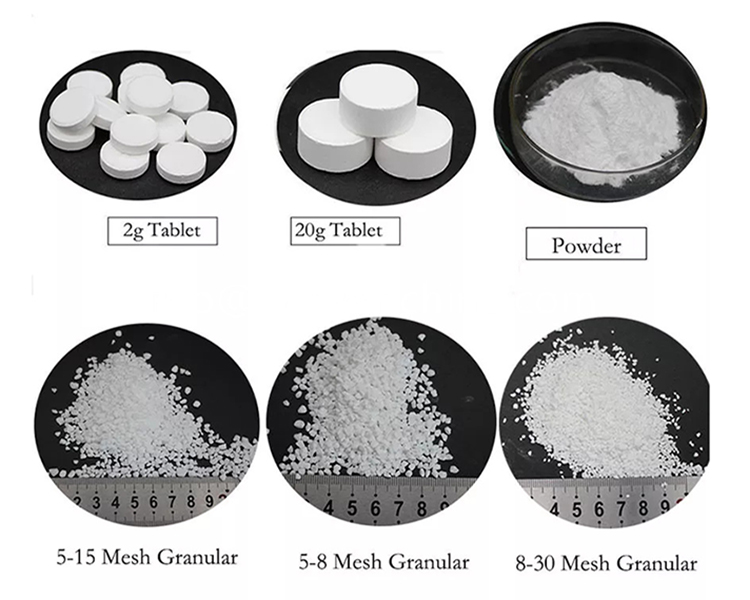
A: Sodium hypochlorite is liquid and easier to handle for most commercial applications, while calcium hypochlorite is a granular solid. For large pools with automated dosing systems, sodium hypochlorite typically offers better consistency and lower maintenance.
Q: How can I prevent bacterial resistance to sodium hypochlorite?
A: Rotate between different disinfection methods periodically. While sodium hypochlorite is effective, using it in conjunction with UV or ozone systems can prevent resistance development.
Q: What’s the most common mistake in sodium hypochlorite storage?
A: Storing it in direct sunlight. Sodium hypochlorite degrades rapidly when exposed to light and heat. Always keep it in a cool, dark, well-ventilated storage area.
Take the Next Step in Pool Sanitation Excellence
The truth is, swimming pool sanitation isn’t about throwing chemicals at problems – it’s about understanding the science behind them. When you work with a partner who truly comprehends the complexities of water treatment chemistry, you transform your operational challenges into opportunities for excellence.
ENVO CHEMICAL stands at the forefront of water treatment innovation, providing premium sodium hypochlorite solutions designed specifically for commercial pool sanitation. With a global footprint serving over 200 countries, our research-driven formulations deliver consistent, reliable results that stand up to the toughest contamination challenges.
Don’t let bacterial contamination undermine your pool’s reputation or profitability. Visit our contact page to connect with our technical specialists who can provide customized solutions for your specific water treatment needs. Let’s work together to ensure your pool remains a safe, inviting space for all guests.
