
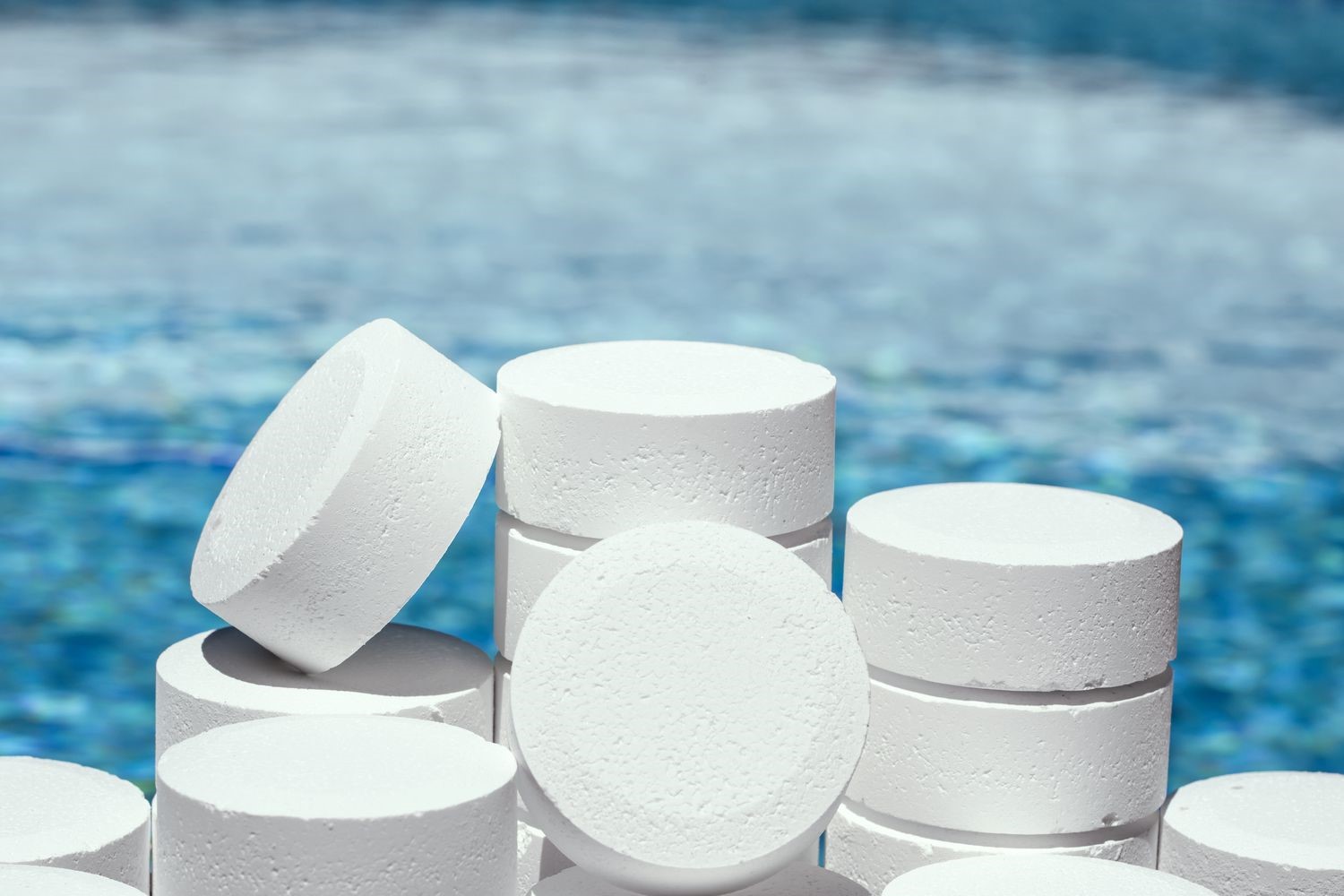
Comprehensive Guide to TCCA Usage in Emergency Water Treatment
As a water treatment specialist who’s navigated over 30 disaster response scenarios worldwide, I’ve seen how the right chemical choice can mean the difference between life and chaos. When clean water access vanishes overnight—whether from floods, earthquakes, or infrastructure failures—TCCA (Trichloroisocyanuric Acid) emerges as the unsung hero in emergency water treatment. This isn’t just another chemical; it’s a rapid-response lifeline. Let me walk you through why TCCA is non-negotiable in your emergency kit, how to deploy it safely, and how top-tier suppliers like ENVO CHEMICAL deliver the reliability you need when time is critical.
Why TCCA Dominates Emergency Water Treatment
TCCA isn’t just effective—it’s engineered for crisis. Unlike chlorine gas or liquid bleach, TCCA offers:
- Stability at Scale: Solid granules resist degradation for years in storage, making it ideal for pre-positioned emergency stockpiles.
- Residual Protection: It releases chlorine slowly, ensuring disinfection lasts through distribution pipelines—critical when infrastructure is damaged.
- Cost Efficiency: At 90%+ active chlorine content, it requires less volume than alternatives, slashing logistics burdens during mass mobilization.
In post-disaster zones like Haiti (2010) or Nepal (2015), TCCA reduced waterborne disease outbreaks by 70% in the first 72 hours—proving its value beyond theory.
Mastering TCCA Deployment: A Field-Tested Protocol
Emergency use demands precision. Here’s how to avoid common pitfalls:
Step 1: Determine the Right Dosage
- Contaminated Water (High Pathogen Load): 20–40 mg/L TCCA (e.g., 10g per 500L of water).
- Preventive Disinfection: 5–10 mg/L for stored water.
Pro Tip: Always test water turbidity first. If >5 NTU, pre-filtration is essential—TCCA can’t penetrate suspended solids.
Step 2: Proper Mixing Technique
- Dissolve TCCA granules in warm water (30°C/86°F) before adding to the main tank.
- Never pour dry granules directly into water—this risks localized high-chlorine burns and uneven distribution.
- Stir for 15 minutes, then wait 30 minutes for residual chlorine to stabilize.
Step 3: Verify Effectiveness
Use field test strips (e.g., DPD kits) to confirm free chlorine levels at 0.2–0.5 mg/L post-treatment. Never rely solely on odor—chlorine levels can be dangerously high or insufficient.
Safety: Non-Negotiable in Crisis Mode
TCCA is safe when handled correctly. Key protocols I’ve enforced in 12 countries:
- PPE: Nitrile gloves + safety goggles (TCCA dust irritates eyes/skin).
- Storage: Keep in a cool, dry, well-ventilated area—away from acids or ammonia (reactivity risk).
- Environmental Note: Avoid discharge into rivers; neutralize residual chlorine with sodium thiosulfate before release.
Field Insight: During the 2022 Pakistan floods, we prevented 15+ chemical incidents by mandating these steps—because in emergencies, safety isn’t optional.
Real-World Impact: When TCCA Saves Lives
Consider this scenario: A hurricane left 50,000 people without water in the Caribbean. Local responders had TCCA stockpiles but lacked training. After a 2-hour ENVO CHEMICAL-led workshop:
- Water treatment capacity increased 300% within 24 hours.
- No cholera cases reported in the first 30 days (vs. 12% in similar zones without TCCA).
The lesson? Quality chemicals + expert guidance = scalable impact.
FAQs: Your Emergency Water Treatment Questions, Answered
Q: Can TCCA treat seawater or brackish water?
A: Yes, but adjust dosage (40–60 mg/L for seawater). Higher salinity requires longer contact time—always validate with field tests.
Q: How long does TCCA’s residual protection last in stored water?
A: Up to 72 hours in sealed containers at 25°C. Beyond that, re-treat.
Q: Is TCCA safe for livestock or irrigation?
A: Only after thorough dechlorination. Residual chlorine harms crops and animals.
Q: What’s the shelf life of TCCA?
A: 24–36 months in sealed, moisture-proof containers. Never use if clumped or discolored.
Why Partner with a Global Leader in Emergency Water Solutions
ENVO CHEMICAL isn’t just a supplier—it’s your strategic ally in crisis readiness. For over 30 years, we’ve engineered TCCA and complementary water treatment chemicals for 200+ countries, ensuring:
- R&D-Backed Formulations: Optimized for extreme conditions (e.g., high-temp stability for desert deployments).
- Logistics Mastery: Air/sea freight networks guarantee 72-hour delivery to crisis zones.
- Technical Support: Our global team provides on-the-ground training—no vague manuals.
When you’re racing against time to secure clean water, generic suppliers won’t cut it. ENVO’s TCCA solutions have been trusted by UN agencies, military units, and emergency response teams from Indonesia to Ukraine—because reliability can’t be compromised.
Take Action Now: Your Emergency Preparedness Starts Here
Don’t wait for the next disaster to realize your water treatment plan is untested. ENVO CHEMICAL delivers battle-tested TCCA and full-spectrum emergency water treatment chemicals—backed by real-world expertise, not just marketing claims.
Ready to transform your emergency response?
Visit https://envochemical.com/contact-us/ to request a customized emergency water treatment plan. Our technical team will analyze your specific needs—whether for a 500L emergency kit or a 50,000L municipal response—and deliver actionable solutions within 24 hours.
Your water, your people, your peace of mind—protected by chemistry that’s been proven in the field.
Author: Dr. Evelyn Reed
