
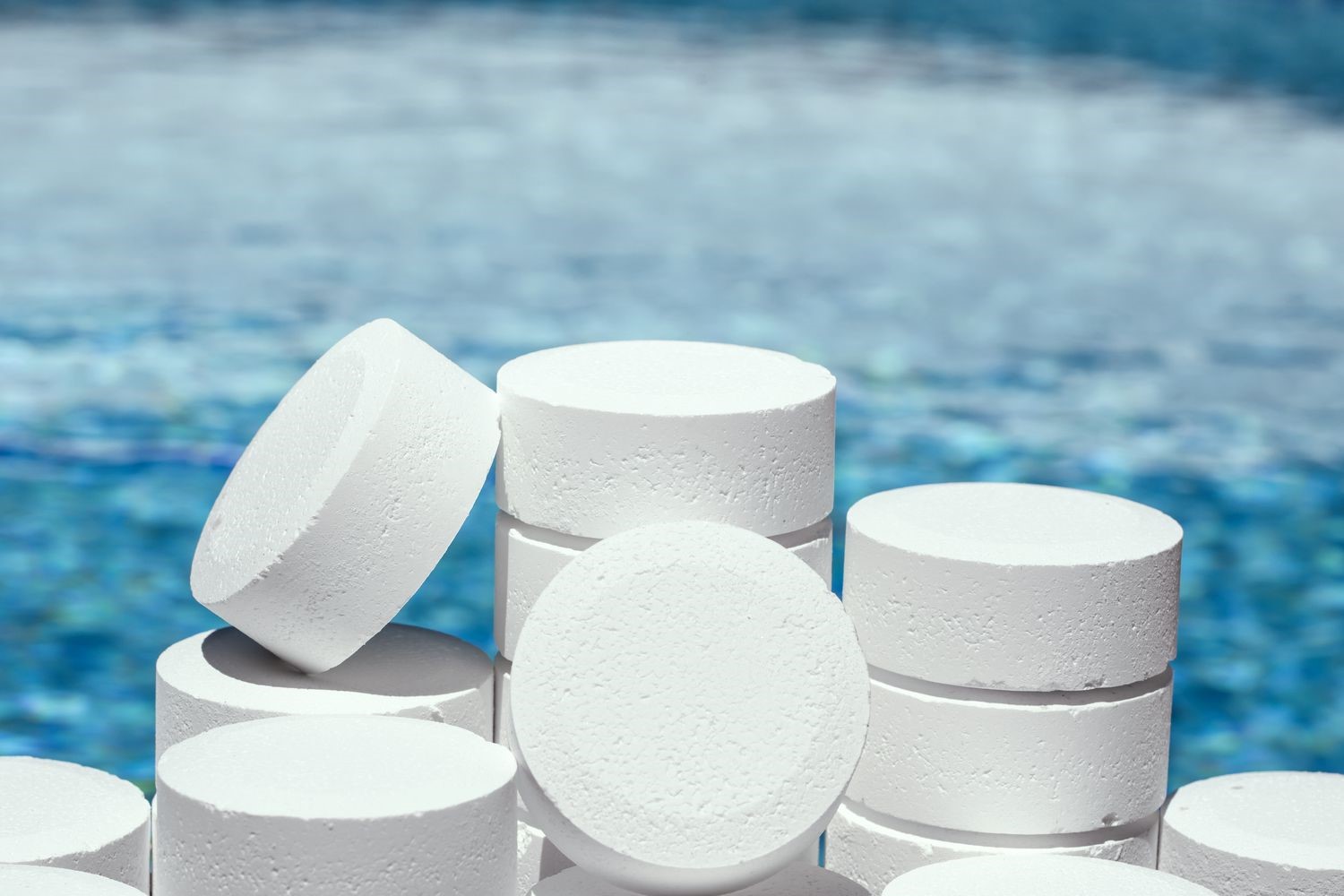
Solving Common Disinfection Byproducts with Chloramines in Industrial Wastewater Treatment
Introduction: The Critical Challenge of Disinfection Byproducts in Modern Water Treatment
In today’s industrial landscape, effective wastewater treatment is not just an environmental necessity but a regulatory imperative. As industries increasingly adopt chloramines for disinfection due to their stability and residual effect, they face a growing challenge: the formation of harmful disinfection byproducts (DBPs). These compounds, including trihalomethanes (THMs), haloacetic acids (HAAs), and chloramines themselves, pose significant health risks and regulatory hurdles. For industrial facilities striving for sustainable operations, understanding and mitigating these byproducts is essential to maintaining compliance, protecting public health, and optimizing treatment efficiency. This article explores the science behind chloramine-related DBPs and presents effective chemical solutions for industrial wastewater treatment professionals.
Understanding Chloramines and Their Disinfection Byproducts
Chloramines, formed when chlorine reacts with ammonia in water, offer advantages over free chlorine in terms of longer-lasting residual disinfection and reduced formation of certain DBPs. However, they are not without their own challenges. When chloramines interact with organic matter in wastewater, they can generate a complex array of DBPs, including N-nitrosodimethylamine (NDMA), a potent carcinogen. These compounds are particularly concerning in industrial settings where wastewater streams often contain high concentrations of organic precursors, such as humic substances, proteins, and other nitrogenous compounds.
The primary concern with these DBPs extends beyond regulatory non-compliance. They can cause health issues for workers and communities downstream, damage treatment infrastructure, and increase operational costs through the need for additional treatment stages. Understanding the chemistry behind these reactions is the first step toward implementing effective mitigation strategies.
The Impact of Disinfection Byproducts on Industrial Operations
Industrial facilities face significant operational and financial consequences when DBPs exceed regulatory limits. Municipalities often impose strict limits on DBPs in discharge permits, with many regions setting maximum contaminant levels (MCLs) for compounds like THMs at 80-100 μg/L. Exceeding these limits can result in substantial fines, operational shutdowns, and reputational damage.
Beyond regulatory concerns, DBPs can affect the efficiency of downstream processes. For instance, NDMA can interfere with biological treatment processes, while other DBPs may cause scaling or corrosion in pipelines and equipment. This creates a compounding effect where one problem exacerbates others, leading to increased maintenance costs and reduced system reliability.
Advanced Chemical Solutions for DBP Mitigation
Addressing chloramine-related DBPs requires a multi-faceted approach that combines process optimization with targeted chemical treatments. The most effective strategy involves:
- Precursor Removal: Implementing advanced oxidation processes or adsorption techniques to remove organic precursors before chloramine application.
- Alternative Disinfection Methods: Evaluating ozone, UV, or peracetic acid as primary disinfectants that produce fewer DBPs.
- Chemical Additives: Using specific water treatment chemicals that inhibit DBP formation or break down existing byproducts.
Among these, chemical additives offer the most immediate and scalable solution for existing treatment systems. Specialized oxidants and catalytic agents can effectively reduce DBP formation while maintaining disinfection efficacy. These solutions are particularly valuable for industries with complex wastewater streams, such as pharmaceuticals, food processing, and chemical manufacturing.
ENVO CHEMICAL’s Comprehensive Approach to DBP Reduction
ENVO CHEMICAL has developed a specialized portfolio of water treatment chemicals designed to address chloramine-related disinfection byproducts in industrial wastewater treatment. Our solutions include:
- Advanced Oxidation Catalysts: These compounds enhance the breakdown of organic precursors, reducing the potential for DBP formation during chloramination.
- DBP Inhibitors: Formulated to interfere with the chemical pathways that lead to harmful byproducts without compromising disinfection.
- Post-Treatment Removers: Effective agents that target and neutralize existing DBPs in the effluent stream.
Our products are developed through rigorous R&D processes, ensuring compatibility with various industrial wastewater streams while meeting stringent regulatory requirements. ENVO CHEMICAL’s technical team works closely with clients to implement customized solutions that integrate seamlessly with existing treatment infrastructure, minimizing downtime and maximizing operational efficiency.
Case Study: Successful DBP Reduction in a Pharmaceutical Facility
A leading pharmaceutical manufacturer in Asia faced recurring violations due to high levels of NDMA in their treated effluent. After implementing ENVO CHEMICAL’s DBP inhibition system, they achieved a 75% reduction in NDMA levels within three months. The solution required minimal process modifications, resulted in a 20% reduction in chemical usage, and eliminated regulatory penalties. This case demonstrates the tangible operational and financial benefits of targeted chemical solutions for DBP management.
Frequently Asked Questions (FAQ)
Q: What are the most common disinfection byproducts formed with chloramines?
A: The most prevalent DBPs include N-nitrosodimethylamine (NDMA), trihalomethanes (THMs), and haloacetic acids (HAAs). NDMA is particularly concerning due to its potent carcinogenic properties.
Q: How do ENVO CHEMICAL’s solutions differ from standard chemical treatments?
A: Our solutions are specifically formulated to target the chemical pathways responsible for DBP formation, rather than simply treating the symptoms. This results in more effective and sustainable DBP reduction.
Q: Can these solutions be implemented in existing wastewater treatment systems?
A: Absolutely. Our products are designed for easy integration into current treatment processes with minimal modification required. Our technical team provides full support for implementation.
Q: What regulatory standards do ENVO CHEMICAL’s solutions help meet?
A: Our solutions help facilities comply with international standards including EPA MCLs for THMs and HAAs, EU Water Framework Directive requirements, and local discharge permits.
Q: How long does it take to see results after implementing ENVO’s DBP reduction solutions?
A: Most clients observe significant improvements within 30-60 days of implementation, with full optimization typically achieved within 90 days.
Conclusion: Partner with ENVO CHEMICAL for Sustainable Water Treatment Solutions
For industrial facilities navigating the complexities of wastewater treatment, the challenge of disinfection byproducts with chloramines is both a regulatory hurdle and an operational opportunity. By implementing scientifically validated chemical solutions, businesses can transform this challenge into a competitive advantage—reducing costs, ensuring compliance, and demonstrating environmental leadership.
ENVO CHEMICAL has been at the forefront of water treatment innovation for over 30 years, providing specialized chemical solutions to industrial clients across 200+ countries. Our commitment to R&D, technical excellence, and customer partnership ensures that we deliver not just products, but comprehensive solutions tailored to your unique operational challenges.
As global water regulations become increasingly stringent, partnering with a trusted water treatment chemical expert is no longer optional—it’s essential for sustainable business operations. ENVO CHEMICAL stands ready to help your facility achieve optimal water quality, regulatory compliance, and operational efficiency through our advanced disinfection byproduct mitigation solutions.
Contact our technical team today to discuss your specific wastewater treatment challenges and discover how ENVO CHEMICAL can help you solve them effectively. Let’s collaborate to create a cleaner, safer, and more sustainable water future for your operations and the communities we all serve.
