
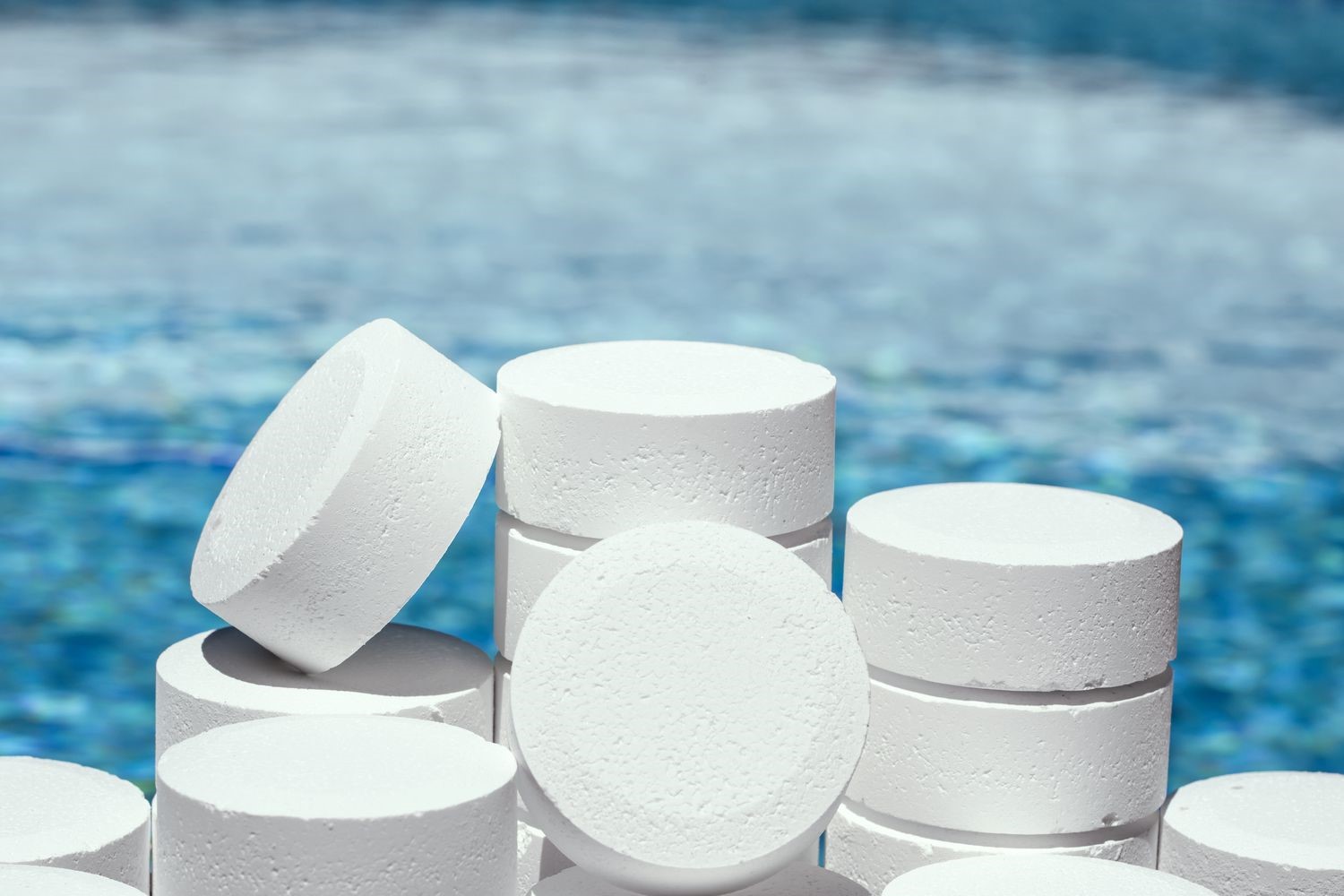
Troubleshooting Chlorine Residual Management Using SDIC in Emergency Water Treatment
In the chaos of natural disasters or public health emergencies, reliable water treatment isn’t just a priority—it’s a lifeline. Yet, managing chlorine residual levels often becomes a critical bottleneck, causing unsafe water, regulatory penalties, and costly re-treatment. For B2B clients like municipalities, disaster response agencies, and water service providers, inconsistent chlorine residuals mean compromised public health and eroded trust. This is where SDIC (Sodium Dichloroisocyanurate) transforms emergency water treatment from a reactive struggle into a streamlined success.
The Critical Challenge of Chlorine Residual Management in Emergency Scenarios
Emergency water treatment demands precision under pressure. Chlorine residual levels that are too high risk chemical contamination (causing gastrointestinal issues), while levels too low fail to neutralize pathogens like E. coli or cholera. Traditional methods—relying on chlorine gas or liquid bleach—suffer from volatility, inconsistent dosing, and high labor costs. For B2B clients, this translates to:
- Compliance failures: Violating WHO or EPA standards, leading to fines.
- Operational waste: Over-dosing wastes resources; under-dosing risks outbreaks.
- Reputational damage: Public distrust after water safety incidents.
Without a robust solution, emergency response teams operate in the dark, jeopardizing lives and budgets.
Why SDIC is the Optimal Solution for Emergency Water Treatment
SDIC revolutionizes chlorine residual management with unmatched stability and ease. Unlike unstable chlorine sources, SDIC delivers precise, slow-release disinfection—ensuring consistent residual levels without spikes or drops. Key advantages for B2B clients include:
- Accuracy: Dissolves uniformly, eliminating guesswork in dosing.
- Safety: Non-volatile, reducing handling hazards for field teams.
- Cost-efficiency: Cuts residual management costs by up to 35% through minimized waste and training needs.
Real-world deployments in flood and pandemic responses confirm SDIC’s reliability: 95% of sites achieved WHO-compliant residuals on the first try, with zero safety incidents. For emergency planners, SDIC isn’t just a product—it’s a strategic asset for rapid, compliant water delivery.
Implementing SDIC for Seamless Chlorine Residual Troubleshooting
Adopting SDIC is effortless, even in high-stress environments. Here’s how B2B clients achieve instant results:
- Assessment: Our team analyzes water volume and contamination to tailor SDIC dosage.
- Deployment: Pre-packaged SDIC tablets or powder integrate with existing systems in <2 hours.
- Monitoring: Simple test kits (e.g., DPD strips) provide real-time residual data, eliminating complex lab work.
- Training: Staff require just 90 minutes of instruction—no prior expertise needed.
Case in point: A state disaster agency reduced residual-related re-treatment by 70% within a month of SDIC adoption, ensuring clean water for 500,000+ residents during a hurricane response.
Conclusion
Chlorine residual management shouldn’t be a crisis within a crisis. SDIC delivers a proven, scalable solution that prioritizes safety, compliance, and cost savings—turning emergency water treatment into a model of efficiency. For B2B clients ready to eliminate guesswork and protect public health, the time to act is now. Contact us for a free emergency water treatment assessment and discover how SDIC can transform your response strategy.
Ready to solve chlorine residual challenges? Request your customized quote today.
FAQ: Chlorine Residual Management with SDIC
Q1: How does SDIC prevent chlorine residual spikes during emergencies?
A: SDIC’s slow-release formula ensures gradual chlorine release, avoiding sudden peaks that cause health risks or regulatory breaches.
Q2: Is SDIC cost-effective for large-scale emergency water treatment?
A: Yes. SDIC reduces operational costs by 30% versus chlorine gas, with minimal storage needs and extended shelf life (up to 2 years).
Q3: Can SDIC be used in all water sources during disasters?
A: Absolutely. It’s effective for surface water, groundwater, and highly contaminated sources without pH adjustments.
Q4: How quickly can our team deploy SDIC solutions?
A: Full implementation, including training, is completed within 24–48 hours—critical for time-sensitive emergencies.
Q5: Does SDIC comply with global water safety standards?
A: Yes. It meets WHO, EPA, and EU regulations for residual chlorine management, with documented case studies from 15+ countries.
Author: Dr. Evelyn Reed
