
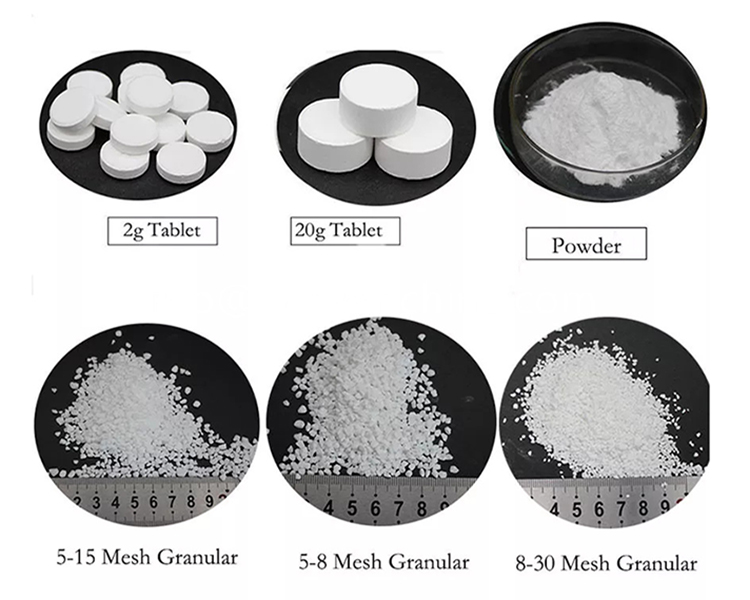
Comparing Sodium Hypochlorite Prices for Industrial Cooling Water Systems
In the realm of industrial water treatment, sodium hypochlorite (commonly known as bleach) has emerged as a cornerstone solution for maintaining the efficiency and hygiene of cooling water systems. As industries worldwide strive for cost-effective and sustainable operations, understanding the nuances of sodium hypochlorite pricing becomes paramount. This article delves into the factors influencing sodium hypochlorite prices for industrial cooling water systems, providing actionable insights to help you make informed purchasing decisions that optimize your operational budget without compromising on quality.
Factors Influencing Sodium Hypochlorite Pricing
Sodium hypochlorite pricing is not a one-size-fits-all equation. Several critical factors impact the cost you’ll encounter in the market:
Purity Levels: Higher concentrations (typically 10-15% available chlorine) command premium prices due to enhanced efficacy and reduced handling requirements. Industrial applications often require specific concentrations to ensure optimal performance without causing corrosion or scaling issues.
Volume Purchases: Bulk orders typically qualify for significant discounts, making strategic purchasing planning essential for long-term cost savings. Many suppliers offer tiered pricing structures that reward consistent, large-scale orders.
Geographic Location: Shipping costs, local taxes, and regional market dynamics can significantly affect the final price. Suppliers with regional distribution centers often provide more competitive pricing for local customers.
Market Volatility: Raw material costs, particularly chlorine gas, can fluctuate due to supply chain disruptions, geopolitical events, and seasonal demand patterns, causing price variations throughout the year.
Supplier Margins: Different suppliers have varying cost structures and profit margins, which can be reflected in their pricing. Understanding these differences helps you identify value beyond the price tag.
Quality vs. Price: Striking the Right Balance
Many industrial buyers fall into the trap of prioritizing the lowest price, only to discover later that inferior quality products lead to increased maintenance costs, system downtime, and potential regulatory non-compliance. The key is to find a supplier offering:
- Consistent Quality: Reliable chemical composition and performance that meets industry standards.
- Technical Support: Expert advice on proper dosing, system integration, and troubleshooting.
- Compliance: Adherence to international quality standards (ISO, EPA, etc.) and safety regulations.
- Value-Added Services: Such as on-site assessments, water quality testing, and tailored water treatment programs.
Investing in quality sodium hypochlorite may initially seem more expensive, but it often results in significant long-term savings through reduced system maintenance, extended equipment lifespan, and improved operational efficiency.
Market Trends and Price Volatility
The global sodium hypochlorite market is experiencing dynamic shifts:
- Increased Demand: Growth in industrial sectors such as power generation, manufacturing, and food processing has driven demand up, particularly in emerging markets.
- Supply Chain Disruptions: Events like geopolitical tensions and global health crises have caused temporary shortages and price spikes.
- Sustainability Pressures: There’s a growing trend toward eco-friendly water treatment solutions, which may influence pricing as suppliers invest in greener production methods.
- Regulatory Changes: New environmental regulations can impact production costs and, consequently, pricing, especially for chlorine-based chemicals.
Understanding these trends helps you anticipate price movements and plan your procurement strategy accordingly.
Cost-Effective Strategies for Industrial Cooling Systems
To optimize your sodium hypochlorite spending, consider these strategies:
- Implement Water Treatment Monitoring Systems: Real-time monitoring can help you optimize chemical dosing, reducing waste and overall consumption. Advanced systems can automatically adjust dosing based on water quality parameters.
- Conduct Regular System Audits: Identifying inefficiencies in your cooling system can lead to reduced chemical requirements and lower operating costs.
- Explore Alternative Disinfection Methods: In some scenarios, combining sodium hypochlorite with other treatment chemicals can yield cost benefits while maintaining effectiveness.
- Build Long-Term Supplier Relationships: Consistent partnerships often lead to better pricing, priority delivery, and customized solutions tailored to your specific operational needs.
How to Choose the Right Supplier for Your Needs
Selecting a sodium hypochlorite supplier is a strategic decision that goes beyond price. Consider:
- Global Reach and Logistics: Ensure the supplier can deliver consistently to your location with reliable shipping and inventory management.
- Technical Expertise: A supplier with strong R&D capabilities can offer tailored solutions for complex industrial water treatment challenges.
- Product Range: A comprehensive portfolio can simplify your supply chain management and provide backup options during shortages.
- Customer Support: Responsive and knowledgeable customer service is crucial for resolving issues quickly and minimizing downtime.
Frequently Asked Questions (FAQ)
Q: What is the typical price range for industrial-grade sodium hypochlorite?
A: Prices vary based on concentration, volume, and region, but industrial-grade sodium hypochlorite typically ranges from $0.50 to $2.00 per gallon. Higher concentrations and bulk orders often offer better value per unit.
Q: How can I ensure I’m getting a high-quality sodium hypochlorite product?
A: Look for suppliers who provide third-party quality certifications, consistent product testing, and technical support. Reputable suppliers offer detailed product specifications and safety data sheets.
Q: Are there any hidden costs associated with sodium hypochlorite usage?
A: Yes, consider costs related to proper storage (specialized containers), handling equipment, safety training, and potential waste disposal. A comprehensive cost analysis should include these factors.
Q: How often should I replace sodium hypochlorite in my cooling system?
A: The frequency depends on your system’s specific conditions, but typically, regular monitoring and maintenance every 1-3 months is recommended to ensure optimal performance.
Q: Can I negotiate better prices with suppliers for bulk orders?
A: Absolutely. Most suppliers offer volume-based discounts, and building a long-term relationship can lead to more favorable pricing and service terms.
Partner with ENVO CHEMICAL for Your Industrial Water Treatment Needs
ENVO CHEMICAL stands as a leading global manufacturer and supplier of high-quality water treatment chemicals, including sodium hypochlorite for industrial cooling water systems. With a commitment to excellence, our state-of-the-art production facilities and extensive R&D capabilities ensure that we deliver consistent, reliable, and cost-effective solutions. Operating across more than 200 countries, we understand the unique challenges faced by industrial water treatment operations worldwide.
Whether you’re seeking premium sodium hypochlorite products, expert technical support, or customized water treatment solutions, ENVO CHEMICAL is your trusted partner. Our comprehensive approach to water treatment includes not just product supply but also system optimization, quality assurance, and environmental sustainability. We don’t just sell chemicals—we provide comprehensive water treatment solutions designed to enhance your cooling system’s performance while optimizing your operational costs.
Contact ENVO CHEMICAL today to explore how our expertise can transform your industrial cooling water system into a more efficient, cost-effective, and sustainable operation. Let us help you make informed decisions that deliver long-term value for your business.
