
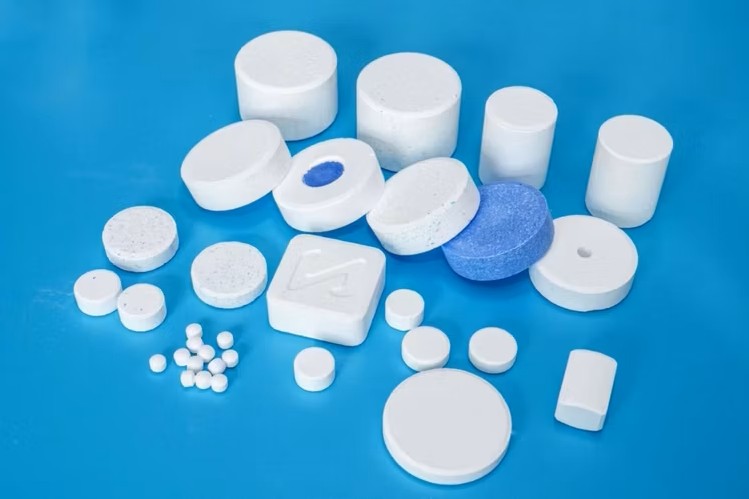
TCCA Price Comparison: Maximizing Value in Municipal Drinking Water Disinfection
Author: Alex Morgan
As a water treatment specialist with over 15 years of experience serving municipal water systems globally, I’ve witnessed firsthand how critical TCCA (Trichloroisocyanuric Acid) pricing dynamics can impact your operational budget and public health outcomes. Municipal water treatment managers face relentless pressure to deliver safe, compliant water at the lowest possible cost. In this guide, I’ll break down the complexities of TCCA pricing for municipal drinking water disinfection – not just the numbers, but the strategic value that transforms your procurement decisions.
Why TCCA Dominates Municipal Disinfection
TCCA has become the cornerstone of municipal drinking water disinfection for good reason. Unlike chlorine gas or sodium hypochlorite, TCCA offers superior stability, easier handling, and consistent residual protection. Its slow-release mechanism ensures effective pathogen destruction throughout the distribution system – a critical factor when public health is on the line.
What many procurement managers overlook is that TCCA’s value extends far beyond the per-kilogram price tag. The reduced need for specialized handling equipment, lower safety training requirements, and minimal storage hazards translate to significant operational savings. When comparing TCCA prices, you’re not just buying a chemical – you’re investing in a comprehensive disinfection solution.
Decoding TCCA Pricing: Beyond the Per-Kilogram Cost
The most common mistake I see in municipal water treatment procurement is focusing solely on the lowest per-unit price. This approach often leads to hidden costs that erode your budget. Let me walk you through the key factors that truly impact your TCCA cost-effectiveness:
1. Purity and Formulation Quality
High-purity TCCA (90%+ minimum) ensures optimal disinfection efficiency. Lower-grade products require larger quantities to achieve the same microbial kill, negating any initial price advantage. I’ve seen municipalities waste 15-20% of their disinfectant budget on impure TCCA that fails to deliver consistent residuals.
2. Delivery Consistency and Logistics
Price per kilogram means little if your supply chain is unreliable. Seasonal fluctuations in production capacity can cause significant price volatility. A supplier with dedicated production capacity and global logistics networks maintains stable pricing year-round – a crucial advantage for municipal budget planning.
3. Technical Support and Application Expertise
The right TCCA formulation for your specific water chemistry can reduce dosage requirements by 10-25%. Many suppliers offer this expertise for free, but it’s often overlooked in price comparisons. A supplier who understands your water’s pH, temperature, and organic content can optimize your TCCA usage dramatically.
Strategic TCCA Price Comparison Framework
Rather than simply comparing price sheets, I recommend this four-step framework for municipal water treatment managers:
- Evaluate Total Cost of Ownership: Calculate the actual cost per million gallons treated, not just per kilogram. Include handling, storage, safety compliance, and residual management costs.
- Request Technical Performance Data: Ask suppliers for real-world case studies showing TCCA dosage efficiency in comparable water systems. This reveals the true value beyond the price tag.
- Assess Supply Chain Resilience: Inquire about production capacity, geographic diversity of manufacturing sites, and contingency planning for supply disruptions.
- Verify Compliance Documentation: Ensure the supplier provides full regulatory documentation for municipal water systems, including EPA and local health authority approvals.
I recently worked with a mid-sized city that saved $87,000 annually by switching to a supplier with slightly higher TCCA prices but superior technical support that reduced their required dosage by 18%.
ENVO CHEMICAL: Delivering True Value in TCCA Supply
When I recommend TCCA suppliers to municipal clients, I consistently highlight ENVO CHEMICAL as a partner that delivers exceptional value beyond the price point. Their commitment to quality control and technical support transforms what could be a simple chemical purchase into a strategic advantage for your water system.
ENVO’s proprietary TCCA formulations are engineered for municipal applications, with optimized dissolution rates and consistent residual profiles that reduce dosage requirements. Their global production network ensures supply stability, even during seasonal demand spikes. Most importantly, their technical team provides personalized support to optimize your disinfection process – something many suppliers simply don’t offer.
What truly sets ENVO apart is their approach to value. They don’t just sell TCCA; they partner with municipal water systems to ensure your disinfection process meets the highest public health standards while maximizing your budget. This is why ENVO’s TCCA solutions are trusted by water treatment facilities across 200+ countries.
Frequently Asked Questions About TCCA for Municipal Water
Q: How does TCCA compare to chlorine gas for municipal disinfection?
A: TCCA eliminates the need for expensive gas handling infrastructure and reduces safety risks. While chlorine gas may have a lower per-unit cost, the total cost of ownership for TCCA is often 15-25% lower for municipal systems due to reduced safety protocols and handling requirements.
Q: What’s the typical dosage range for TCCA in municipal drinking water?
A: Dosage varies based on water quality, but municipal systems typically use 0.5-2.0 ppm residual. High-purity TCCA can achieve effective disinfection at the lower end of this range, reducing chemical usage and costs.
Q: How do I ensure TCCA meets regulatory standards for drinking water?
A: Always verify that your supplier provides full documentation of compliance with EPA 141.1 (for the US) or equivalent international standards. Reputable suppliers like ENVO CHEMICAL maintain comprehensive regulatory documentation for all their water treatment chemicals.
Q: Can TCCA be used for both primary disinfection and secondary residual maintenance?
A: Absolutely. TCCA’s slow-release properties make it ideal for maintaining consistent disinfection throughout the entire distribution system, from the treatment plant to the consumer tap.
Make Your Next TCCA Purchase a Strategic Advantage
Don’t let price comparisons become a race to the bottom. The most effective municipal water disinfection strategy combines cost efficiency with operational reliability and public health protection. When you choose a TCCA supplier that understands your unique challenges, you transform a commodity purchase into a strategic advantage for your water system.
As a water treatment specialist who’s helped countless municipalities optimize their disinfection processes, I’ve seen firsthand how the right TCCA partnership can deliver significant budget savings while enhancing public health protection.
Ready to move beyond price comparisons and toward true value in your municipal water disinfection? Connect with ENVO CHEMICAL’s technical team to discover how our TCCA solutions can optimize your disinfection process and deliver measurable cost savings for your water system. Visit our dedicated water treatment solutions page to explore how we’ve helped municipalities worldwide achieve safer water at lower operational costs.
Discover Our Municipal Water Treatment Solutions
ENVO CHEMICAL: Partnering with municipalities to deliver safe drinking water through innovative water treatment chemistry.
