
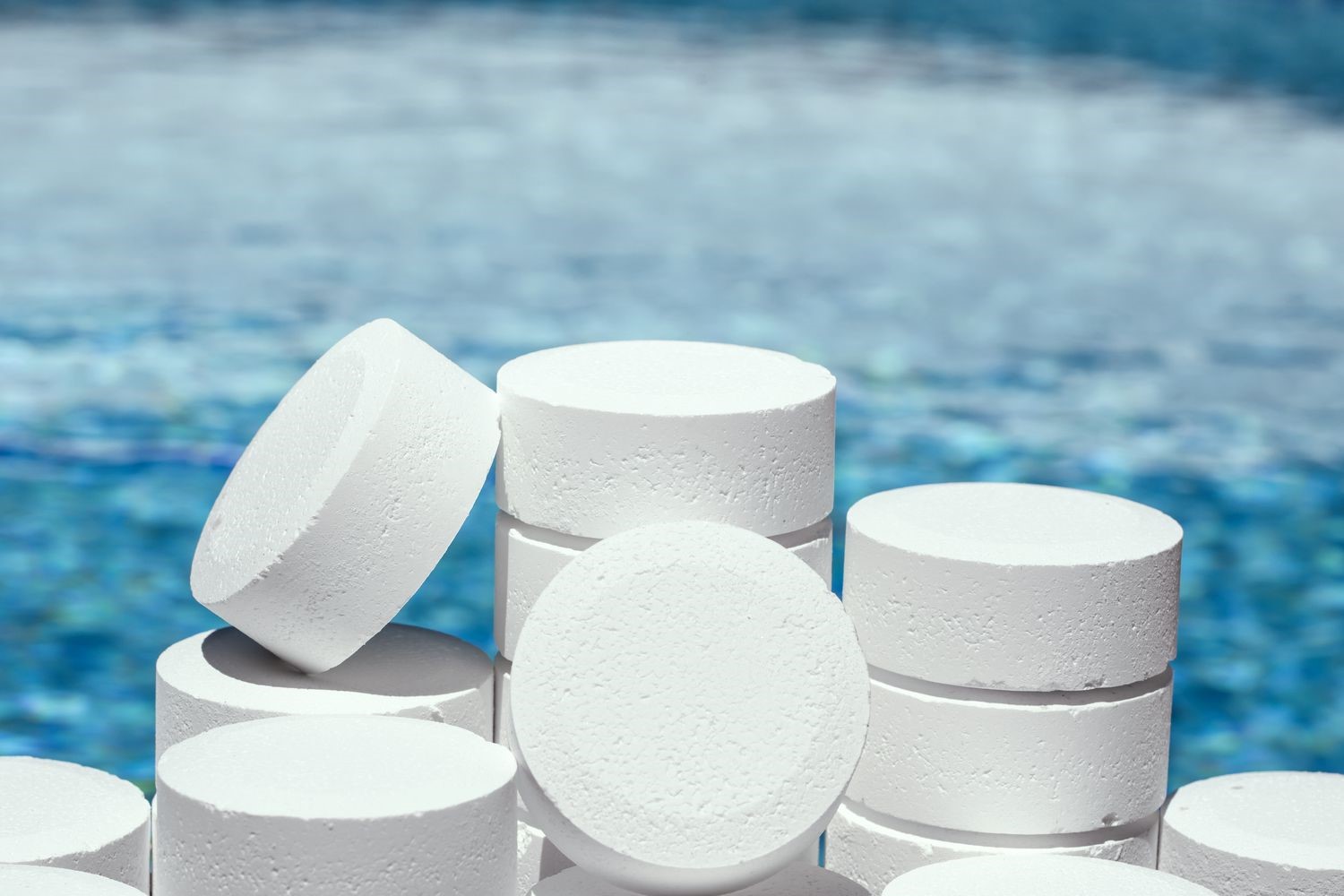
Solving Common Foam Formation with TCCA in Swimming Pool Disinfection
Author: Dr. Michael Chen
As a water treatment specialist with over 15 years of hands-on experience managing commercial pool systems, I’ve seen countless operators struggle with that frustrating, persistent foam on the surface of their pools. It’s not just an eyesore—it’s a sign of underlying water chemistry issues that can compromise guest safety and satisfaction. While trichloroisocyanuric acid (TCCA) remains a popular choice for swimming pool disinfection due to its stability and effectiveness, many pool managers don’t realize that improper use can actually be the root cause of persistent foam formation. Let me share what I’ve learned through years of troubleshooting and optimizing pool water chemistry across diverse commercial settings.
Understanding TCCA: The Double-Edged Sword in Pool Disinfection
TCCA has become a go-to chlorinating agent for many commercial pool operators. Its slow-release properties, high chlorine content (around 90%), and resistance to UV degradation make it an attractive option for maintaining consistent disinfection levels. I’ve personally recommended TCCA for numerous clients managing large public pools, water parks, and resort facilities. However, what many don’t realize is that TCCA’s very properties can contribute to foam problems when not properly managed.
TCCA works by slowly releasing chlorine as it dissolves, but the process also releases cyanuric acid as a byproduct. When cyanuric acid accumulates beyond optimal levels (typically above 100 ppm), it alters the water’s surface tension, making it more susceptible to foam formation. This is especially problematic in pools with high organic load from swimmer waste, oils, and lotions—common in busy commercial facilities.
The Hidden Culprits Behind TCCA-Induced Foam
Let’s cut through the confusion: foam formation isn’t just about the disinfectant itself. It’s about how the disinfectant interacts with other water chemistry factors. From my experience, three key elements typically trigger foam problems when using TCCA:
- Cyanuric Acid Buildup: As mentioned, TCCA adds cyanuric acid to the water. Without proper monitoring and management, this can accumulate to problematic levels.
- Organic Contaminants: Swimmers introduce oils, lotions, and body waste that react with chlorine to form foaming agents.
- pH Imbalance: When pH isn’t maintained between 7.2-7.8, chlorine becomes less effective and more prone to creating foam.
I recall a particularly challenging case at a busy hotel pool where foam had become so severe it was affecting guest experience. The pool manager had been using TCCA consistently but hadn’t monitored cyanuric acid levels for over a year. After implementing a simple testing regimen and adjusting their chemical dosing, the foam problem vanished within 48 hours.
Practical Strategies for Preventing and Managing Foam
The good news is that foam formation from TCCA use is entirely manageable with the right approach. Here’s what I’ve successfully implemented in numerous commercial pools:
Proactive Monitoring: Test cyanuric acid levels weekly during peak season, and maintain them below 80 ppm. Use a reliable test kit or consider automated water monitoring systems.
Balanced Dosing: Instead of relying solely on TCCA, implement a balanced disinfection strategy. Consider supplementing with non-chlorine shock treatments or alternative oxidizers to prevent cyanuric acid accumulation.
Regular Water Replacement: Implement a systematic water replacement schedule to prevent cumulative buildup of cyanuric acid and other contaminants.
Foam Control Agents: When foam does appear, use a defoamer specifically designed for swimming pools. I’ve found that non-silicone-based defoamers work best as they don’t leave residue that could interfere with chlorine effectiveness.
The key insight I’ve learned over the years? It’s not about eliminating TCCA from your pool program—it’s about using it intelligently as part of a comprehensive water management strategy.
ENVO CHEMICAL: Your Partner in Foam-Free Pool Management
After years of working with pool operators worldwide, I’ve been consistently impressed by ENVO CHEMICAL’s approach to solving these very challenges. As a company that integrates R&D, production, and sales under one roof, they’ve developed specialized water treatment solutions designed to address the exact issues we’ve discussed.
ENVO’s foam control products are formulated to break down surface tension without interfering with chlorine’s disinfecting properties. Their team of water chemistry experts works closely with pool operators to develop customized solutions based on specific pool conditions, usage patterns, and water quality parameters. What sets ENVO apart is their commitment to providing not just products, but ongoing technical support to ensure your pool water chemistry remains balanced and foam-free.
With a global footprint serving over 200 countries, ENVO CHEMICAL has the expertise to help you navigate the complexities of pool water treatment, whether you’re managing a small community pool or a large resort water park.
Frequently Asked Questions
Q: Can I still use TCCA if I’m experiencing foam problems?
A: Absolutely, but you’ll need to adjust your approach. Monitor cyanuric acid levels closely, consider supplementing with alternative disinfection methods, and implement a regular water replacement schedule to prevent buildup.
Q: How often should I test for cyanuric acid when using TCCA?
A: During peak season, weekly testing is essential. At minimum, test monthly during off-peak periods. If foam problems persist, increase testing frequency.
Q: Will ENVO CHEMICAL’s foam control products interfere with my current disinfection system?
A: No, their defoamers are specifically designed to work alongside chlorine-based systems without compromising disinfection effectiveness.
Q: How do I know if my foam is caused by TCCA or something else?
A: TCCA-induced foam typically appears as a stable, persistent foam that doesn’t dissipate quickly. It’s often accompanied by high cyanuric acid levels. If foam appears after adding TCCA and disappears when you stop using it, you’ve likely identified the source.
Take the Next Step in Your Pool Water Management Journey
The good news is that persistent foam in swimming pools doesn’t have to be a chronic problem. With the right understanding of TCCA chemistry and the right water treatment solutions, you can maintain crystal-clear, foam-free water that guests will appreciate.
Don’t let foam issues compromise your pool’s safety, appearance, or guest satisfaction. ENVO CHEMICAL offers a comprehensive suite of water treatment chemicals and technical support designed specifically to solve these challenges. Their team of water chemistry experts will work with you to develop a customized solution that fits your specific pool’s needs and operational demands.
Ready to transform your pool water management? Visit their contact page to schedule a consultation with their technical team and discover how their specialized solutions can help you eliminate foam formation while maintaining optimal water quality. Your guests—and your bottom line—will thank you.
Contact ENVO CHEMICAL Today to request a personalized water treatment solution for your swimming pool.
