
Calcium Hypochlorite vs Chlorine: The Optimal Choice for Emergency Water Treatment
Introduction
In emergency situations such as natural disasters, conflicts, or infrastructure failures, access to safe drinking water becomes a critical life-saving priority. The choice between calcium hypochlorite and chlorine for water disinfection significantly impacts response efficiency, safety, and cost-effectiveness. As water treatment professionals face urgent challenges, selecting the right disinfectant can mean the difference between effective crisis management and continued public health threats. This comprehensive guide explores the key distinctions between these two disinfection methods to help you make an informed decision for emergency water treatment scenarios.
Understanding the Disinfection Agents
Calcium Hypochlorite: A Solid, Stable Solution
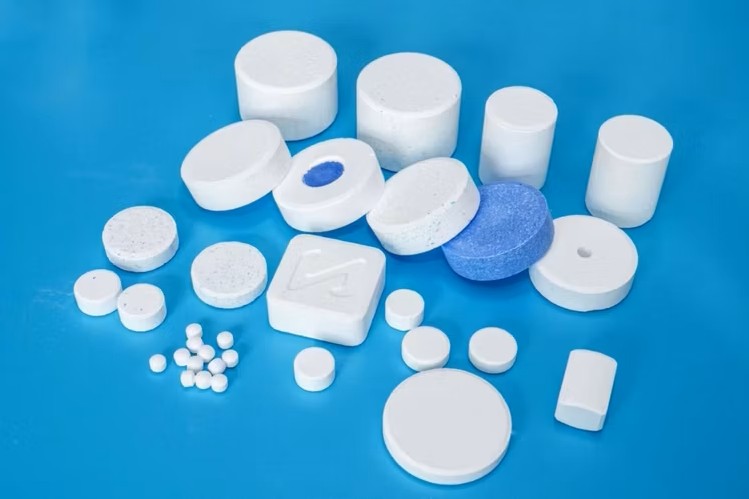
Calcium hypochlorite (Ca(OCl)₂) is a solid compound available in granular or tablet form, containing approximately 65-70% available chlorine. It dissolves in water to release hypochlorous acid (HOCl), the primary disinfectant responsible for killing pathogens. This solid form offers significant advantages in emergency scenarios where infrastructure may be compromised.
Chlorine Gas: The Traditional but Risky Approach
Chlorine gas (Cl₂) has long been used for water disinfection in municipal treatment plants. It’s highly effective when properly handled but requires specialized equipment for storage, transportation, and application. Chlorine gas is denser than air, making it hazardous to handle as it can accumulate in low-lying areas, posing serious health risks to responders.
Comparative Analysis: Key Considerations for Emergency Response
Safety and Handling
Calcium hypochlorite presents significantly lower safety risks in emergency settings. As a stable solid, it doesn’t require high-pressure tanks or complex gas handling equipment. Emergency response teams can safely handle it with basic personal protective equipment (PPE). In contrast, chlorine gas demands specialized training, expensive infrastructure, and continuous monitoring for leaks, creating a dangerous environment for untrained personnel during critical response periods.
Cost-Effectiveness and Accessibility
For emergency water treatment, calcium hypochlorite offers superior cost efficiency. The initial investment for storage and handling equipment is substantially lower than the infrastructure required for chlorine gas systems. Additionally, calcium hypochlorite’s solid form allows for easier transportation and storage in various environments, making it accessible even in remote or damaged locations where chlorine gas infrastructure may be unavailable.
Storage and Shelf Life
Calcium hypochlorite has a longer shelf life (typically 1-2 years when stored properly in cool, dry conditions) compared to chlorine gas, which must be used immediately after delivery due to its gaseous state. This extended storage capability is critical for emergency preparedness, allowing organizations to maintain stockpiles for unexpected crises without frequent replenishment.
Real-World Application: Why Calcium Hypochlorite Excels in Emergencies
During Hurricane Katrina, calcium hypochlorite was the preferred disinfectant for community water systems due to its ease of transport and application. Similarly, in earthquake-stricken regions where infrastructure is compromised, solid disinfectants like calcium hypochlorite enable rapid deployment without requiring electricity or complex equipment.
For large-scale emergency response, calcium hypochlorite can be distributed in pre-measured packets, allowing for consistent dosing even by non-specialized personnel. This standardization minimizes the risk of under- or overdosing, ensuring water safety without specialized training.
Frequently Asked Questions
Q1: Why is calcium hypochlorite preferred over chlorine gas in emergency water treatment?
A: Calcium hypochlorite is significantly safer to handle in emergency conditions, requires no specialized equipment, and can be transported and stored more easily. It eliminates the risks associated with chlorine gas leaks and the need for high-pressure storage systems.
Q2: What is the typical dosage for calcium hypochlorite in emergency water treatment?
A: Dosage varies based on water quality, but generally ranges from 20-50 mg/L of available chlorine. For emergency use, pre-measured packets containing 1-2 grams of calcium hypochlorite per liter of water are commonly used for immediate treatment.
Q3: How long can calcium hypochlorite be stored before losing effectiveness?
A: When stored in a cool, dry place away from direct sunlight, calcium hypochlorite maintains its effectiveness for approximately 1-2 years. Proper storage is crucial to preserve its disinfection properties during emergency stockpiling.
Q4: Can calcium hypochlorite be used for both drinking water and wastewater treatment in emergencies?
A: Yes, calcium hypochlorite is effective for both drinking water disinfection and wastewater treatment. It’s particularly valuable in emergency scenarios where multiple water sources need rapid treatment without specialized equipment.
Conclusion: Partner with Water Treatment Experts
For organizations seeking reliable, safe, and cost-effective emergency water treatment solutions, calcium hypochlorite represents the superior choice over chlorine gas. Its safety profile, ease of use, and logistical advantages make it the preferred disinfectant for crisis response teams worldwide.
ENVO CHEMICAL stands as a global leader in water treatment chemicals, offering innovative solutions for emergency response scenarios. With over 30 years of expertise in water treatment chemistry, ENVO provides high-purity calcium hypochlorite and comprehensive water treatment solutions used across 200+ countries. Our R&D capabilities ensure we deliver products that meet the most stringent emergency water treatment standards, backed by technical support and global logistics expertise.
When disaster strikes, your water treatment strategy must be as reliable as it is rapid. ENVO Chemical’s emergency water treatment products provide the assurance you need to protect public health and ensure safe water access when it matters most.
Discover how our emergency water treatment solutions can strengthen your disaster response capabilities. Contact our technical team for a customized solution tailored to your specific emergency water treatment needs. Our global network ensures rapid delivery and expert support for your critical water safety operations.
