
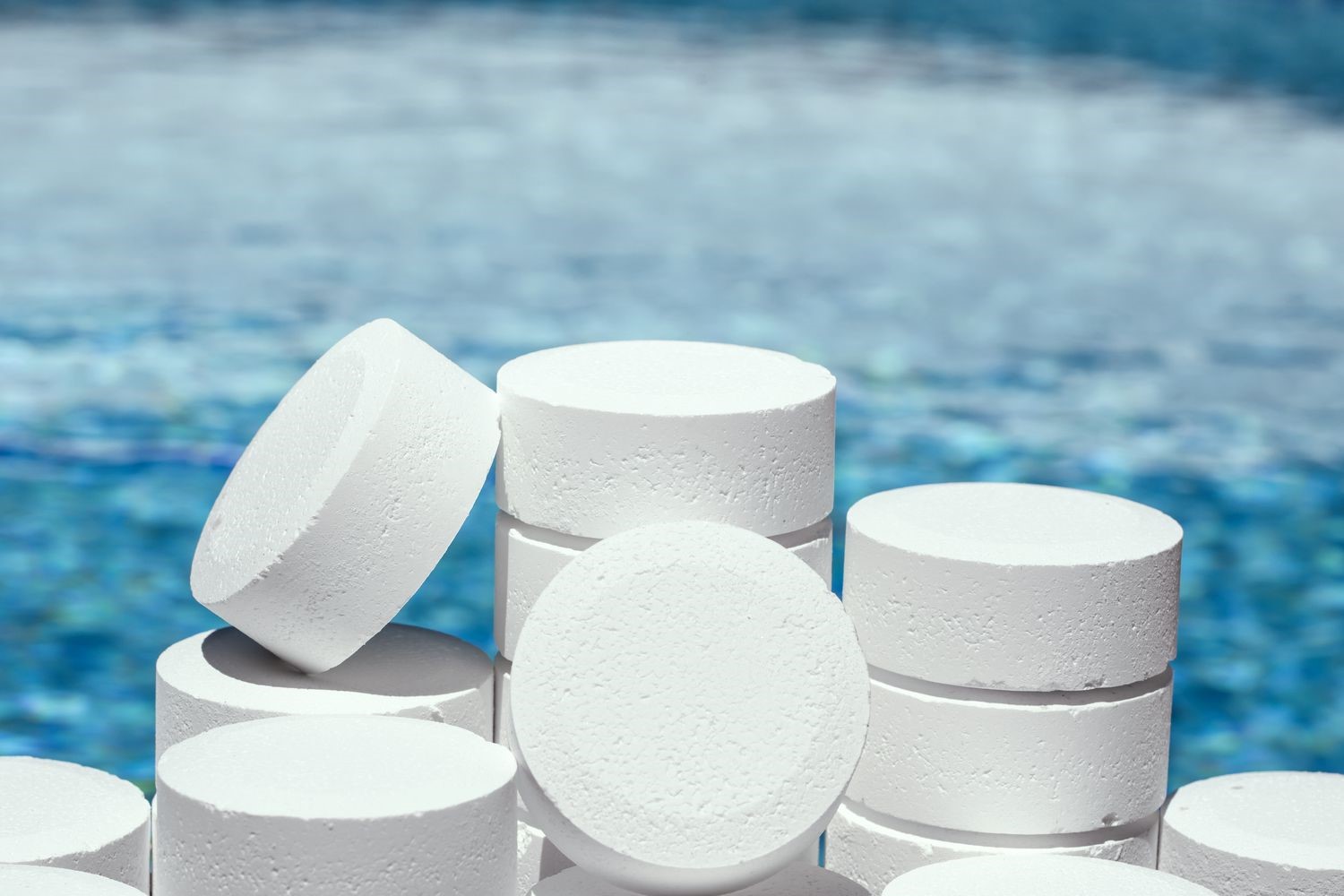
Troubleshooting High Turbidity Using Chloramines in Emergency Water Treatment
Introduction
In emergency water treatment scenarios, high turbidity poses a significant challenge to water quality and public health. When natural disasters, infrastructure failures, or contamination events occur, water sources often become heavily laden with suspended particles, leading to reduced water clarity, impaired disinfection efficacy, and potential health risks. Among the various treatment approaches, chloramines have emerged as a highly effective solution for addressing high turbidity in emergency situations. This comprehensive guide explores the application of chloramines in troubleshooting high turbidity, providing actionable insights for water treatment professionals seeking reliable emergency solutions.
Understanding High Turbidity in Emergency Water Treatment
Turbidity, measured in nephelometric turbidity units (NTU), indicates the cloudiness of water caused by suspended particles such as clay, silt, organic matter, and microorganisms. In emergency situations, turbidity levels can skyrocket, often exceeding 50 NTU and sometimes reaching over 200 NTU. This high turbidity not only affects aesthetic quality but also hinders effective disinfection, as suspended particles can shield pathogens from treatment chemicals.
The primary challenge in emergency water treatment is the need for rapid, effective, and sustainable solutions that can be implemented with minimal infrastructure. Conventional treatment methods often require time-consuming processes like sedimentation and filtration, which may not be feasible during emergencies.
Chloramines: An Effective Solution for High Turbidity
Chloramines (monochloramine, dichloramine, and trichloramine) offer a unique advantage in emergency water treatment due to their stability, longer residual disinfection capability, and compatibility with turbidity control. Unlike free chlorine, chloramines form a more stable compound that remains effective for extended periods, making them ideal for emergency scenarios where water may need to be stored or transported.
When applied to high-turbidity water, chloramines work synergistically with coagulants and flocculants to enhance particle aggregation and removal. The chloramine’s ability to maintain residual disinfection throughout the treatment process ensures that even after turbidity reduction, water remains safe for consumption.
Practical Implementation of Chloramines for Turbidity Control
Implementing chloramines for high turbidity emergency treatment involves several key steps:
- Initial Assessment: Measure turbidity levels and identify the primary sources of suspended particles.
- Coagulation-Flocculation: Introduce coagulants (such as aluminum sulfate or ferric chloride) to destabilize suspended particles, followed by flocculants to aggregate particles into larger flocs.
- Chloramine Application: After coagulation-flocculation, apply chloramines at optimal concentrations (typically 1-5 mg/L) to provide residual disinfection and enhance particle removal.
- Monitoring and Adjustment: Continuously monitor turbidity and disinfection levels, adjusting chloramine dosage as needed based on water quality parameters.
- Final Filtration: Implement filtration (if possible) to remove remaining flocs, followed by final chloramine residual testing.
This integrated approach ensures that high turbidity is effectively managed while maintaining water safety.
Advantages of Chloramines Over Alternative Methods
Compared to traditional free chlorine treatment, chloramines offer several advantages in high-turbidity emergency scenarios:
- Reduced Disinfection Byproducts: Chloramines produce fewer harmful byproducts like trihalomethanes, making them safer for consumption.
- Longer Residual Effect: Chloramines maintain effective disinfection for up to 24-48 hours, critical for emergency water distribution systems.
- Stability in High Turbidity: Chloramines remain effective even when turbidity levels fluctuate, providing consistent treatment.
- Compatibility with Other Processes: Chloramines integrate seamlessly with coagulation, flocculation, and filtration processes.
Real-World Application: Emergency Response Case Study
During a major flood event in Southeast Asia, a municipal water treatment plant faced unprecedented turbidity levels exceeding 150 NTU. The plant implemented a chloramine-based emergency treatment protocol, combining coagulation with chloramine application. Within 24 hours, turbidity levels were reduced to below 5 NTU, and water safety was maintained throughout the distribution system. This case demonstrates the effectiveness of chloramines in high-turbidity emergency water treatment, providing a rapid, reliable solution for communities in crisis.
Frequently Asked Questions
Q: Can chloramines effectively treat water with extremely high turbidity (over 100 NTU)?
A: Yes, chloramines can be effectively used in high-turbidity water when combined with proper coagulation and flocculation processes. The integrated approach ensures that turbidity is reduced to safe levels while maintaining disinfection.
Q: How does chloramine application differ from free chlorine in emergency water treatment?
A: Chloramines provide longer-lasting residual disinfection and produce fewer disinfection byproducts compared to free chlorine. They are more stable in high-turbidity conditions and integrate better with coagulation processes.
Q: What is the recommended chloramine dosage for high-turbidity emergency treatment?
A: Dosage varies based on turbidity levels and water chemistry, but typically ranges from 1-5 mg/L. Professional assessment of water quality parameters is essential for optimal dosage.
Q: Are chloramines safe for drinking water treatment?
A: Yes, chloramines are widely used in municipal water treatment systems worldwide and are approved by regulatory bodies for safe drinking water treatment.
Q: How quickly can chloramine-based treatment be implemented in an emergency?
A: Chloramine-based emergency treatment can be implemented within hours, making it one of the fastest and most reliable solutions for high-turbidity water emergencies.
Partner with ENVO CHEMICAL for Advanced Water Treatment Solutions
ENVO CHEMICAL stands as a global leader in water treatment chemicals, specializing in the research, development, and worldwide distribution of high-performance water treatment solutions. With a commitment to innovation and sustainability, ENVO CHEMICAL provides tailored chemical solutions for emergency water treatment scenarios, including high-turbidity challenges.
Our extensive product portfolio includes advanced chloramine formulations, coagulants, flocculants, and other critical water treatment chemicals designed to meet the most demanding emergency situations. Serving over 200 countries worldwide, ENVO CHEMICAL combines scientific expertise with practical field experience to deliver reliable, effective water treatment solutions.
Whether you’re managing a natural disaster response, infrastructure failure, or unexpected contamination event, our technical team can provide immediate support and customized solutions to address your high-turbidity challenges. Contact our water treatment specialists today to explore how ENVO CHEMICAL can enhance your emergency water treatment capabilities and ensure safe, clean water for your community.
Discover how our chloramine-based solutions can transform your emergency water treatment operations. Visit our website to learn more about our comprehensive water treatment chemical portfolio and request a consultation with our technical experts.
