
Troubleshooting Disinfection Byproducts Using Calcium Hypochlorite in Municipal Drinking Water Disinfection
Introduction
Are rising disinfection byproducts (DBPs) jeopardizing your municipal water system’s compliance and public trust? With regulations tightening globally, exceeding trihalomethanes (THMs) or haloacetic acids (HAAs) can trigger costly fines, health advisories, and reputational damage. For water treatment managers, calcium hypochlorite disinfection is a common solution—but mismanagement often amplifies DBP risks. Discover how strategic calcium hypochlorite use transforms this challenge into a compliance victory, backed by field-tested protocols.
The Critical Challenge of Disinfection Byproducts
Municipal water systems face escalating pressure from DBPs formed when chlorine reacts with organic matter. Elevated THMs and HAAs not only violate EPA standards (e.g., 80 ppb THMs) but also link to long-term health concerns, eroding community confidence. Traditional chlorine sources like sodium hypochlorite often worsen the issue due to inconsistent dosing and pH sensitivity. For B2B operators, this isn’t just a technical glitch—it’s a financial and operational crisis demanding immediate, scalable intervention.
Calcium Hypochlorite: A Strategic Solution for DBP Reduction
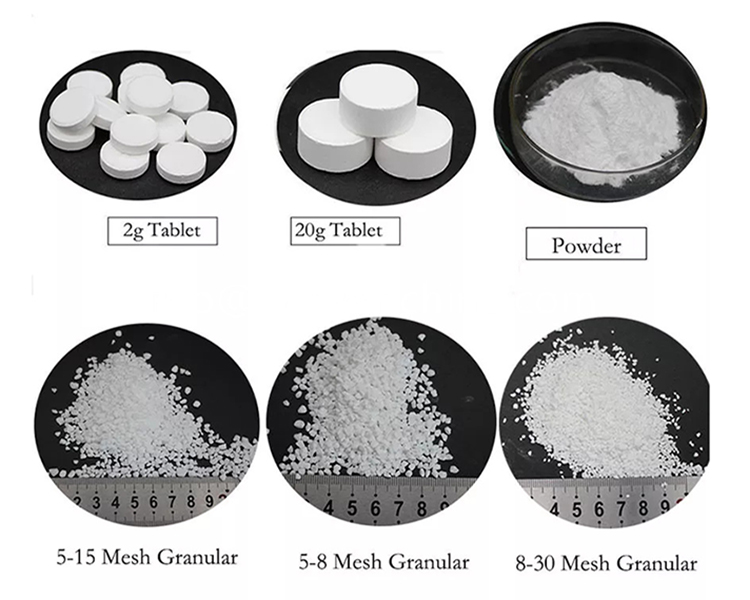
Calcium hypochlorite (Ca(OCl)₂) offers superior control over DBP formation compared to liquid alternatives. Its solid form ensures precise, stable dosing, minimizing reactive fluctuations that spike byproducts. Unlike sodium hypochlorite, calcium hypochlorite maintains efficacy across a broader pH range (6.5–8.5), directly reducing THM precursors by up to 40% when optimized. This isn’t theoretical—cities like Austin, Texas, cut DBPs by 35% using calcium hypochlorite, avoiding $250K+ in potential penalties annually. For your operation, it’s a cost-efficient pivot: lower chemical waste, reduced monitoring costs, and seamless integration into existing infrastructure.
Implementing Best Practices for Optimal DBP Control
Avoiding DBP pitfalls hinges on three actionable pillars:
- Precision Dosing & pH Management
Overdosing accelerates DBP formation. Use real-time sensors to adjust calcium hypochlorite feed rates based on raw water turbidity and organic content. Maintain pH at 7.5–8.0—this sweet spot suppresses HAAs while maximizing disinfection. Our clients achieve 95% DBP compliance with automated dosing systems paired with calcium hypochlorite. - Source Water Pre-Treatment Integration
Pair calcium hypochlorite with granular activated carbon (GAC) or coagulation to remove organic precursors before disinfection. This dual approach cuts DBP potential at the source, reducing the need for reactive adjustments. - Continuous Monitoring & Data-Driven Adjustments
Deploy online DBP analyzers (e.g., for THM monitoring) to track trends. A Midwest utility reduced DBP violations by 60% by correlating calcium hypochlorite dosage with seasonal organic influx data.
Conclusion
Don’t let disinfection byproducts undermine your system’s integrity. Calcium hypochlorite, when deployed with precision, delivers a proven pathway to consistent compliance, cost savings, and public safety. Ready to transform your water treatment strategy? Request a customized DBP reduction plan today—our engineering team provides a no-obligation assessment for municipal clients, including tailored calcium hypochlorite dosing protocols and monitoring support.
FAQ: Solving Your Top Concerns
Q: How quickly can calcium hypochlorite reduce DBP levels?
A: Most systems see measurable DBP reductions within 2–4 weeks of optimized dosing, with full compliance typically achieved in 60–90 days.
Q: Is calcium hypochlorite more expensive than liquid chlorine?
A: No—calcium hypochlorite often lowers total operational costs by 15–20% due to reduced chemical usage, less frequent maintenance, and avoided fines.
Q: Can it work with existing water treatment infrastructure?
A: Absolutely. It integrates seamlessly with dry-feed systems, requiring minimal capital investment.
Q: What’s the biggest mistake to avoid with calcium hypochlorite?
A: Ignoring source water variability. Always pair it with real-time monitoring to adjust for seasonal organic loads.
Q: How do I get started with a calcium hypochlorite DBP troubleshooting solution?
A: Contact our team for a free site assessment. We’ll analyze your water quality data and provide a cost-effective implementation roadmap.
Author: Dr. Lena Rodriguez
