
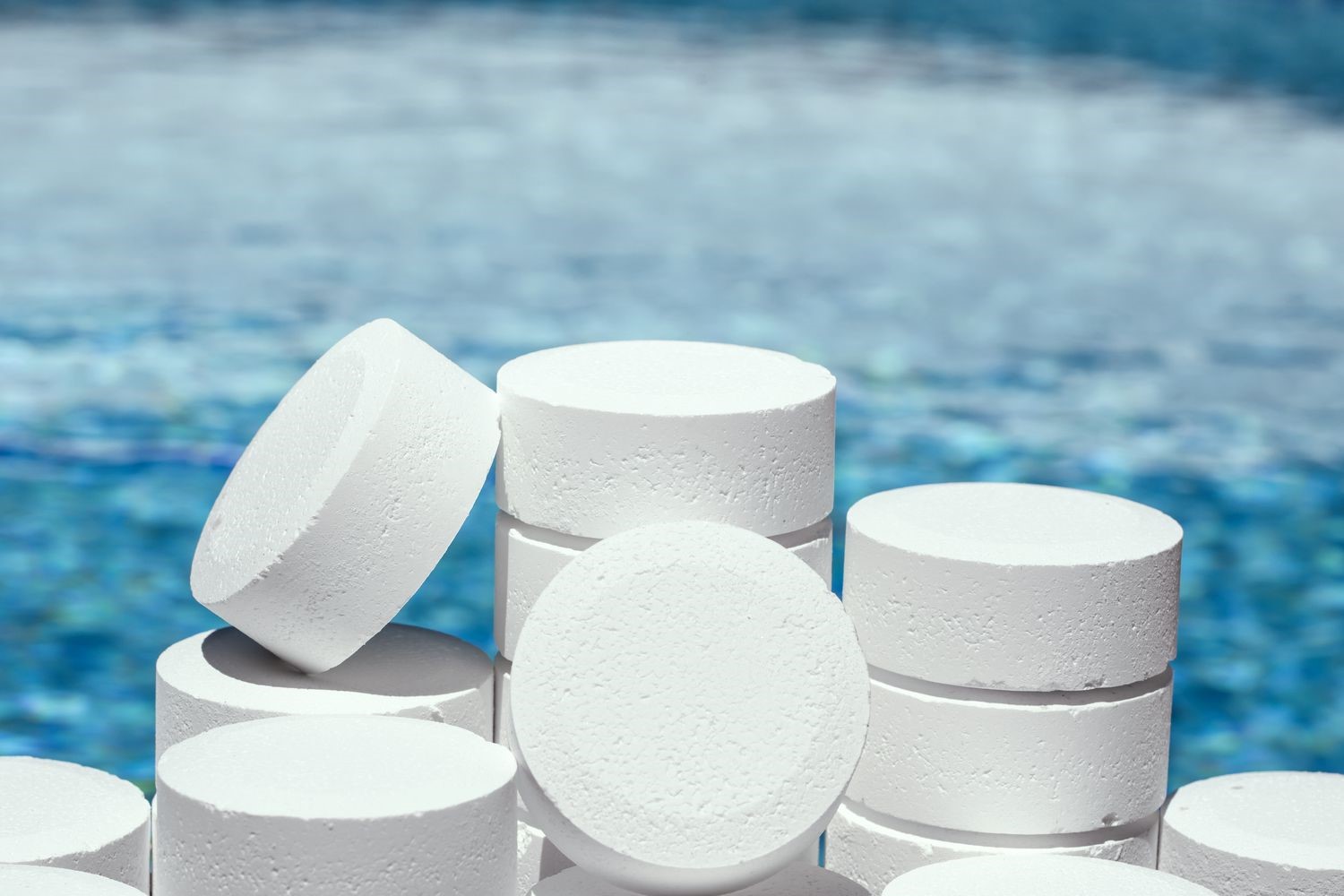
Troubleshooting Algae Growth Using Chlorine Dioxide in Industrial Wastewater Treatment
As a water treatment specialist who’s spent over 25 years troubleshooting industrial systems, I’ve seen countless facilities struggle with the persistent nuisance of algae growth. It’s not just an aesthetic issue—it’s a costly operational headache that can cripple your wastewater treatment efficiency. Today, I’ll share practical insights on leveraging chlorine dioxide as a game-changing solution for this widespread challenge.
The Algal Threat in Industrial Wastewater Systems
Let’s be clear: algae isn’t just a minor inconvenience in your treatment ponds or cooling systems. When left unchecked, it forms dense mats that clog screens, reduce heat transfer efficiency, and create anaerobic conditions that compromise your entire treatment process. I’ve worked with manufacturing plants where algae growth increased maintenance costs by 35% and reduced system capacity by up to 40%. Traditional chlorine treatments often fail here—they either don’t penetrate algal biofilms effectively or generate problematic disinfection byproducts that require additional treatment steps.
Why Chlorine Dioxide Outperforms Conventional Approaches
After testing numerous solutions across diverse industrial settings, I’ve consistently found chlorine dioxide (ClO₂) to be the most reliable algae control agent. Unlike standard chlorine, ClO₂ operates effectively across a broad pH range (6-9), doesn’t form trihalomethanes, and maintains its efficacy in sunlight—critical for open systems. Its molecular structure allows it to penetrate algal cell walls without reacting with organic matter, providing targeted control without the collateral damage of other oxidants.
The real advantage? ClO₂ delivers immediate results at low concentrations (typically 0.5-2.0 ppm), meaning you’re not wasting chemicals or creating secondary treatment challenges. I recently worked with a pharmaceutical facility where a 0.8 ppm ClO₂ dose eliminated visible algae within 72 hours, while their previous chlorine-based approach required 3.0 ppm and still left persistent blooms.
Implementing Chlorine Dioxide for Sustainable Algae Management
Successful implementation isn’t just about adding ClO₂—it requires strategic integration into your existing system. Here’s how I’ve guided clients to achieve optimal results:
- System Assessment: Conduct a comprehensive water analysis to identify nutrient sources (nitrogen, phosphorus) and algae species. This prevents misdiagnosis and ensures proper dosage.
- Customized Dosing Strategy: Based on flow rates and algae density, we design precise dosing systems that maintain consistent ClO₂ levels without over-application.
- Monitoring Protocol: Implement daily monitoring of residual ClO₂ and algae counts to fine-tune the system. Many facilities underestimate the need for this adaptive approach.
In one notable case with a large food processing plant, we implemented a continuous ClO₂ dosing system with automated monitoring. Within 21 days, algae growth decreased by 92%, cooling efficiency improved by 28%, and their maintenance team reported a 60% reduction in cleaning frequency—freeing up valuable resources for other critical tasks.
Why ENVO CHEMICAL Delivers Superior Results
As an industry veteran who’s evaluated numerous chemical suppliers, I’ve been consistently impressed with ENVO CHEMICAL’s chlorine dioxide solutions. Their proprietary formulations are engineered specifically for industrial wastewater challenges, with enhanced stability and reduced handling concerns. What truly sets them apart is their commitment to customization—rather than offering generic products, they work with your technical team to develop solutions tailored to your unique system conditions.
With a global footprint serving over 200 countries and territories, ENVO CHEMICAL brings the expertise of a major manufacturer with the agility of a specialized solution provider. Their technical team has helped clients across manufacturing, food processing, and power generation sectors implement effective algae control strategies that deliver measurable ROI within weeks.
Frequently Asked Questions
Q: How does chlorine dioxide compare to ozone for algae control?
A: While ozone is effective, it requires expensive infrastructure and has a very short residual life. ClO₂ provides longer-lasting protection at lower operational costs, making it far more practical for continuous industrial applications.
Q: Can chlorine dioxide be safely used in systems with biological treatment?
A: Absolutely. When dosed correctly (typically below 1.0 ppm), ClO₂ doesn’t harm beneficial bacteria in activated sludge systems. We’ve successfully implemented it in numerous facilities with biological treatment processes.
Q: How quickly can I expect results after implementing chlorine dioxide?
A: Most clients see noticeable improvement within 48-72 hours of consistent dosing. Complete control typically requires 7-14 days, depending on initial algae density and system conditions.
Take the Next Step in Your Algae Control Journey
Don’t let algae growth continue to undermine your wastewater treatment efficiency and operational costs. ENVO CHEMICAL combines scientific expertise with practical, field-tested solutions to address your specific algae challenges. With their global supply chain and technical support network, they can deliver customized chlorine dioxide solutions that integrate seamlessly with your existing infrastructure.
As someone who’s seen too many facilities struggle with reactive, short-term fixes, I strongly recommend exploring a proactive, scientifically backed approach. ENVO’s team of water treatment specialists has the experience to guide you toward sustainable algae management that protects your operations and your bottom line.
Ready to transform your wastewater system’s performance? Visit our contact page to discuss your specific challenges with our technical team and receive a tailored solution proposal within 24 hours. Let’s work together to eliminate algae growth once and for all.
Author: Dr. Michael Chen
