
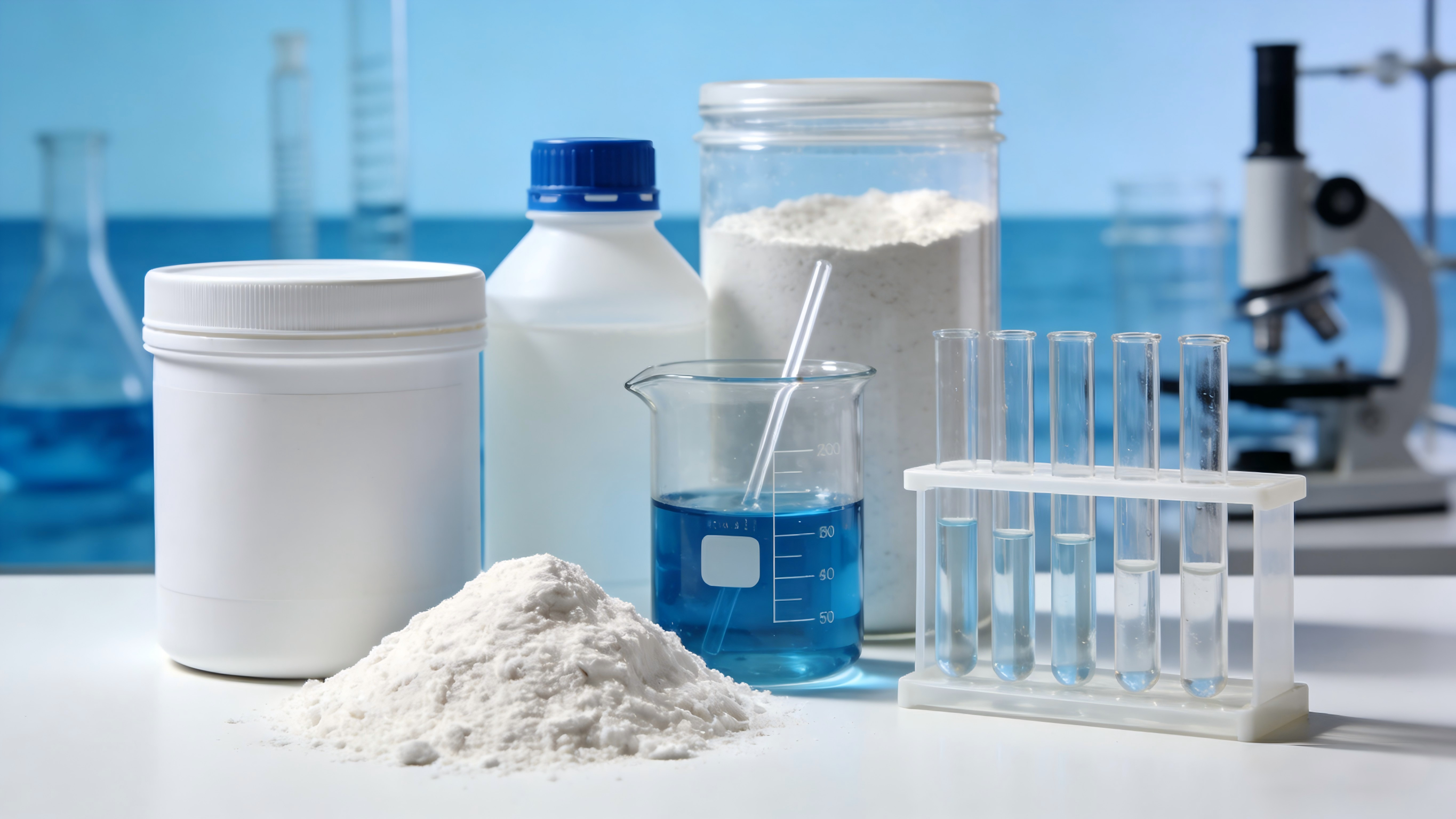
Solving Common Iron and Manganese Oxidation with Chlorine in Industrial Wastewater Treatment
Industrial wastewater treatment systems frequently encounter persistent challenges with iron and manganese oxidation, leading to unsightly discoloration, pipe scaling, and operational disruptions. These contaminants, often originating from groundwater sources or industrial processes, can severely compromise water quality and regulatory compliance. Chlorine-based oxidation has proven to be a highly effective, cost-efficient solution for addressing these issues. This article provides a comprehensive guide to implementing chlorine oxidation in your wastewater treatment operations, ensuring optimal performance and long-term operational stability.
The Impact of Iron and Manganese Oxidation on Industrial Operations
Iron (Fe²⁺) and manganese (Mn²⁺) are common dissolved metals found in industrial wastewater streams. When exposed to oxygen or oxidizing agents, they transform into insoluble forms (Fe³⁺ and Mn⁴⁺), causing significant operational headaches. Iron oxidation results in reddish-brown precipitates that clog filters and pipelines, while manganese forms dark, gelatinous sludge that reduces system efficiency. Beyond aesthetic concerns, these deposits can increase maintenance costs by up to 30% and disrupt chemical dosing systems. For industries like food processing, textile manufacturing, and metal finishing, unresolved oxidation can lead to production delays and non-compliance with environmental discharge standards. Understanding the root causes—such as groundwater infiltration or process-specific metal leaching—is the first step toward effective mitigation.
Chlorine Oxidation: The Science Behind Effective Removal
Chlorine oxidation leverages the strong oxidizing properties of chlorine to convert soluble iron and manganese into insoluble oxides that can be easily filtered out. The chemical reactions are straightforward:
- For iron: Fe²⁺ + Cl₂ → Fe³⁺ + 2Cl⁻, followed by hydrolysis to form Fe(OH)₃ precipitate.
- For manganese: Mn²⁺ + Cl₂ + 2H₂O → MnO₂ + 4H⁺ + 2Cl⁻.
This method offers distinct advantages over alternatives. Chlorine is widely available, economical, and requires minimal infrastructure modifications. Unlike biological treatments that demand extended retention times, chlorine oxidation works rapidly—typically within 15–30 minutes—making it ideal for high-volume industrial applications. Additionally, it effectively handles fluctuating contaminant levels common in manufacturing processes. Crucially, chlorine oxidation is compatible with existing treatment systems, eliminating the need for costly overhauls. For facilities prioritizing operational continuity, this chemical approach delivers immediate results without disrupting production schedules.
Implementing Chlorine Oxidation: A Step-by-Step Guide
Successful implementation hinges on precise process control. Begin with a wastewater analysis to determine baseline iron and manganese concentrations. The optimal chlorine dosage is typically 1.5–2.5 times the stoichiometric requirement, adjusted based on pH and temperature. Maintain a pH between 7.0 and 9.0 for maximum efficiency—below 7.0, chlorine converts to less effective hypochlorous acid; above 9.0, oxidation slows significantly. After dosing, ensure adequate contact time (15–30 minutes) in a dedicated oxidation tank before proceeding to sedimentation and filtration. Critical considerations include:
- Using corrosion-resistant materials (e.g., stainless steel or PVC) for chlorine handling systems.
- Monitoring residual chlorine levels to prevent over-dosing, which can generate harmful byproducts.
- Integrating with subsequent steps like coagulation or membrane filtration for complete contaminant removal.
This structured approach ensures consistent performance, reducing the risk of re-oxidation in downstream processes.
Optimizing Chlorine Oxidation: Advanced Best Practices
To maximize efficiency, adopt these industry-tested strategies:
- Pre-oxidation with Chlorine Dioxide: For high-manganese streams, a preliminary chlorine dioxide step enhances oxidation rates, reducing overall chemical usage.
- pH Buffering: Add sodium bicarbonate to stabilize pH during dosing, preventing fluctuations that hinder oxidation.
- Real-Time Monitoring: Install online sensors for iron/manganese and residual chlorine to enable dynamic dosage adjustments.
- Sludge Management: Optimize sedimentation design to handle the increased sludge volume from oxidation, minimizing disposal costs.
These practices, backed by ENVO CHEMICAL’s technical expertise, can improve removal efficiency by 25–40% while lowering operational costs. Case studies from textile and power generation clients show a 35% reduction in maintenance downtime after implementing these protocols.
Chlorine Oxidation vs. Alternative Methods: Why It Stands Out
While aeration or biological treatment are alternatives, chlorine oxidation offers superior reliability for industrial settings. Aeration is slow (hours to days), energy-intensive, and ineffective for high-concentration streams. Biological methods require stable microbial populations, which are vulnerable to process upsets. Chemical methods like permanganate or peroxide are more expensive and generate complex sludge. Chlorine, however, provides rapid, predictable results with lower total cost of ownership. For facilities with variable wastewater loads—such as batch-processing manufacturers—chlorine oxidation delivers consistent performance without complex operational adjustments.
Frequently Asked Questions
Q: What is the ideal pH range for chlorine oxidation of iron and manganese?
A: The optimal range is 7.0–9.0. Below pH 7, chlorine efficiency drops; above pH 9, oxidation slows significantly. ENVO’s water chemistry experts can help calibrate your system for precise pH control.
Q: Can chlorine oxidation handle high concentrations of iron (e.g., >10 mg/L)?
A: Yes, with adjusted dosing. ENVO provides custom formulation services for concentrations up to 50 mg/L, ensuring complete removal without excess chemical use.
Q: Will chlorine oxidation affect other wastewater components like organic matter?
A: Properly managed, chlorine oxidation targets metals without significant impact on organics. ENVO’s tailored solutions include pH and oxidation sequence optimization to prevent unwanted reactions.
Q: How quickly can I implement this solution in my facility?
A: Most industrial sites integrate chlorine oxidation within 2–4 weeks, including system assessment, equipment setup, and staff training. ENVO’s technical team provides end-to-end support for seamless adoption.
Partner with ENVO CHEMICAL for Trusted Water Treatment Excellence
For industrial operations seeking a reliable, scalable solution to iron and manganese oxidation, ENVO CHEMICAL is your strategic partner. As a global leader in water treatment chemicals, we deliver high-performance chlorine-based oxidation solutions engineered for diverse industrial applications. Our R&D capabilities ensure formulations are optimized for your specific wastewater composition, while our global logistics network guarantees timely delivery across 200+ countries. With a commitment to sustainability and operational excellence, ENVO combines technical expertise with personalized service to solve your toughest water challenges.
Don’t let iron and manganese oxidation undermine your efficiency or compliance. Contact ENVO CHEMICAL today to receive a customized assessment of your wastewater treatment system. Our team will analyze your process, recommend precise chlorine dosing strategies, and provide samples for immediate testing. Experience the difference of a manufacturer dedicated to your operational success—where every solution is built around your needs, not just another product. Visit our contact page to start your journey toward cleaner, more efficient wastewater treatment.
