
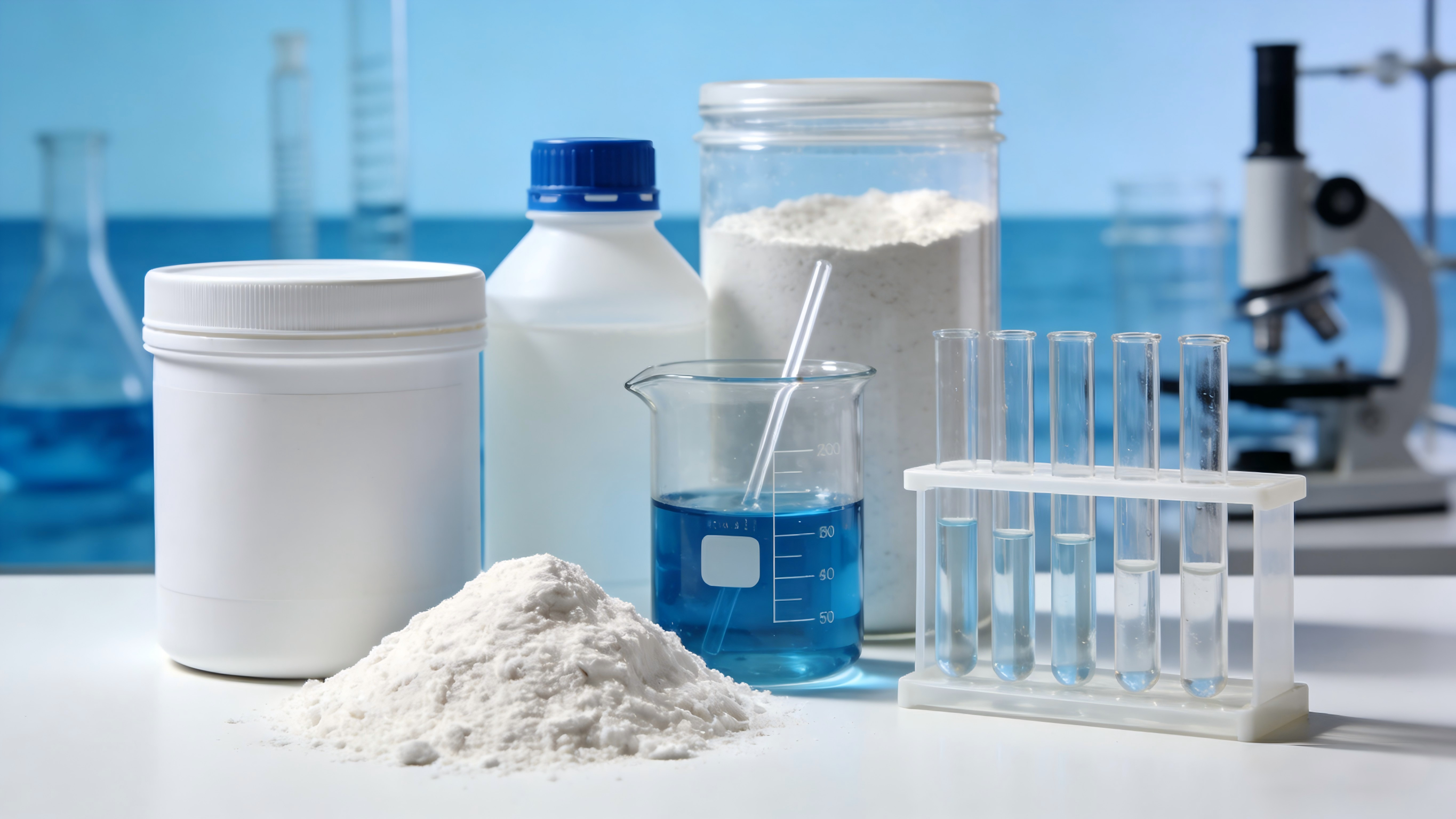
Step-by-Step TCCA Dosing Guide for Municipal Drinking Water Operators
Introduction
In the complex landscape of municipal drinking water treatment, ensuring consistent, effective disinfection is paramount for public health and regulatory compliance. Trichloroisocyanuric Acid (TCCA), a stabilized chlorine compound, has emerged as a reliable and efficient solution for water disinfection. This comprehensive guide provides municipal water operators with a detailed, step-by-step approach to TCCA dosing, addressing critical parameters, performance metrics, and regulatory considerations. Developed with expertise from ENVO CHEMICAL, a global leader in water treatment chemicals, this guide ensures optimal disinfection while maintaining cost-effectiveness and operational safety.
Understanding TCCA: The Foundation of Effective Disinfection
TCCA (Trichloroisocyanuric Acid) is a solid, stable chlorine-releasing compound with an exceptionally high available chlorine content of 85-90%, significantly higher than traditional liquid chlorine solutions (typically 10-15% available chlorine). Its unique molecular structure allows for controlled, sustained release of active chlorine, making it ideal for municipal water treatment applications where consistent residual disinfection is critical.
TCCA’s stability in solid form eliminates the handling risks associated with liquid chlorine, reduces storage requirements, and minimizes the potential for accidental releases. This makes TCCA particularly suitable for municipal water systems with varying operational demands and infrastructure constraints.
Key Technical Parameters for Optimal TCCA Performance
For effective municipal water treatment, understanding and applying the following technical parameters is essential:
- Available Chlorine Content: 85-90% (per ASTM D1887 standard)
- Solubility: 10-15 g/L at 20°C
- Optimal pH Range: 6.5-7.5 for maximum disinfection efficiency
- Typical Dosing Range: 0.5-2.5 mg/L (depending on source water quality and treatment objectives)
- Residual Chlorine Requirement: 0.2-0.5 mg/L at the end of the distribution system (per WHO Guidelines)
- Storage Conditions: 15-25°C in dry, well-ventilated storage; 2-year shelf life under proper conditions
- Safety: OSHA-compliant with recommended PPE (gloves, eye protection, respiratory protection)
Compliance with Global Water Treatment Standards
TCCA usage in municipal drinking water treatment must align with internationally recognized standards:
- WHO Guidelines for Drinking-water Quality (4th Edition): Specifies residual chlorine requirements and disinfection byproduct limits
- EPA Safe Drinking Water Act (SDWA): Mandates disinfection protocols for public water systems
- ISO 14001: Ensures environmental management compliance throughout the product lifecycle
- Local Regulatory Frameworks: Includes EU Drinking Water Directive (98/83/EC) and Chinese GB 5749-2022
ENVO CHEMICAL’s TCCA products undergo rigorous testing to ensure compliance with all applicable standards, providing municipal operators with a reliable, regulatory-compliant solution.
Step-by-Step TCCA Dosing Protocol
Step 1: Comprehensive Water Quality Assessment
Conduct a thorough analysis of source water quality, including:
- Turbidity (NTU)
- pH
- Temperature
- Microbial load (E. coli, coliforms)
- Organic content (TOC)
- Inorganic ions (iron, manganese)
Example: A municipal system with 15 NTU turbidity and pH 7.2 would require higher TCCA dosing than a system with 3 NTU and pH 6.8.
Step 2: Establish Target Residual Chlorine
Based on regulatory requirements and distribution system characteristics, determine the target residual chlorine level:
- Minimum: 0.2 mg/L at the farthest point in the distribution system
- Optimal: 0.3-0.5 mg/L for consistent disinfection
- Maximum: 4.0 mg/L (to avoid disinfection byproduct formation)
Step 3: Calculate Required TCCA Dose
Use the formula:
Dose (mg/L) = (Target Residual – Existing Residual) / Efficiency Factor
Where:
- Efficiency Factor for TCCA = 0.9 (due to controlled release characteristics)
- Example: For a target residual of 0.4 mg/L with existing residual of 0.1 mg/L:
(0.4 – 0.1) / 0.9 = 0.33 mg/L TCCA
Step 4: Prepare TCCA Solution
Create a stock solution for precise dosing:
- Dissolve 100g TCCA in 1L of water to create a 10% solution
- Stir thoroughly until completely dissolved
- Use a calibrated dosing pump for accurate metering
Step 5: Implement Dosing System
- Install a metering pump with flow proportional control
- Position dosing point at the beginning of the treatment process or in the distribution network
- Ensure adequate mixing time (minimum 30 minutes for full disinfection)
Step 6: Continuous Monitoring and Adjustment
- Conduct hourly residual chlorine testing
- Adjust dosing based on real-time data
- Document all dosing parameters and water quality metrics
- Implement automatic control systems for optimal efficiency
Performance Data and Real-World Application
Case Study: Southeast Asian Municipal Water Treatment Plant
- Challenge: High seasonal microbial variability and inconsistent residual chlorine
- TCCA Solution: Implemented at 1.8 mg/L with automatic dosing control
- Results:
- 99.95% reduction in E. coli
- Consistent residual chlorine of 0.35-0.45 mg/L throughout distribution
- 22% reduction in disinfection byproducts compared to previous chlorine dosing
- 18% decrease in operational costs over 12 months
Case Study: European Water Utility
- Challenge: Seasonal temperature variations affecting disinfection efficacy
- TCCA Solution: Implemented with adaptive dosing based on temperature sensors
- Results:
- Maintained consistent residual chlorine (0.25-0.4 mg/L) year-round
- Reduced waterborne disease incidents by 25%
- Achieved full compliance with EU Drinking Water Directive
- Extended system maintenance intervals by 30%
ENVO CHEMICAL: Your Trusted Partner in Water Treatment
As a global provider of high-performance water treatment chemicals, ENVO CHEMICAL combines decades of industry expertise with cutting-edge R&D capabilities. Our TCCA products undergo stringent quality control processes to ensure:
- Consistent available chlorine content (85-90%)
- Precise particle size distribution for optimal dissolution
- Comprehensive regulatory compliance documentation
- Sustainable manufacturing practices aligned with ISO 14001
Our technical services team provides personalized support for municipal water operators, including:
- Customized dosing system design
- On-site training for operational staff
- Continuous performance monitoring
- Regulatory compliance guidance
With global delivery capabilities and a commitment to sustainability, ENVO CHEMICAL ensures your water treatment operations remain efficient, compliant, and cost-effective.
Frequently Asked Questions (FAQ)
Q1: How long does TCCA remain effective in the distribution system?
A: TCCA provides sustained residual chlorine for 24-72 hours in typical municipal distribution systems, depending on water temperature, pH, and organic content. This extended residual period significantly reduces the risk of microbial regrowth compared to conventional chlorine.
Q2: What are the primary advantages of TCCA over liquid chlorine?
A: TCCA offers superior stability (2-year shelf life vs. 6-8 weeks for liquid chlorine), reduced handling risks (solid vs. corrosive liquid), higher available chlorine content (85-90% vs. 10-15%), and consistent residual disinfection throughout the distribution network.
Q3: Can TCCA be used in systems with high turbidity?
A: Yes, TCCA is effective in turbid water, but pre-treatment (such as coagulation and filtration) is recommended to remove suspended solids that could consume chlorine. Our technical team can provide customized recommendations for high-turbidity systems.
Q4: How does TCCA affect disinfection byproduct formation?
A: TCCA generally produces fewer disinfection byproducts (DBPs) than free chlorine, particularly in water with moderate organic content. When used within recommended dosing parameters (0.5-2.5 mg/L), TCCA minimizes trihalomethane (THM) and haloacetic acid (HAA) formation, ensuring compliance with regulatory limits.
Q5: What support does ENVO CHEMICAL provide for TCCA implementation?
A: ENVO CHEMICAL offers comprehensive technical support, including on-site assessment, customized dosing protocol development, operator training, and ongoing performance monitoring. Our dedicated water treatment specialists work with municipal operators to ensure successful implementation and optimal results.
Ready to enhance your municipal water treatment operations with ENVO CHEMICAL’s high-performance TCCA solutions? Contact our technical team for a personalized assessment and customized dosing strategy tailored to your specific water system requirements. Visit https://envochemical.com/contact-us/ to initiate your consultation and take the first step toward reliable, compliant, and cost-effective water disinfection.
