
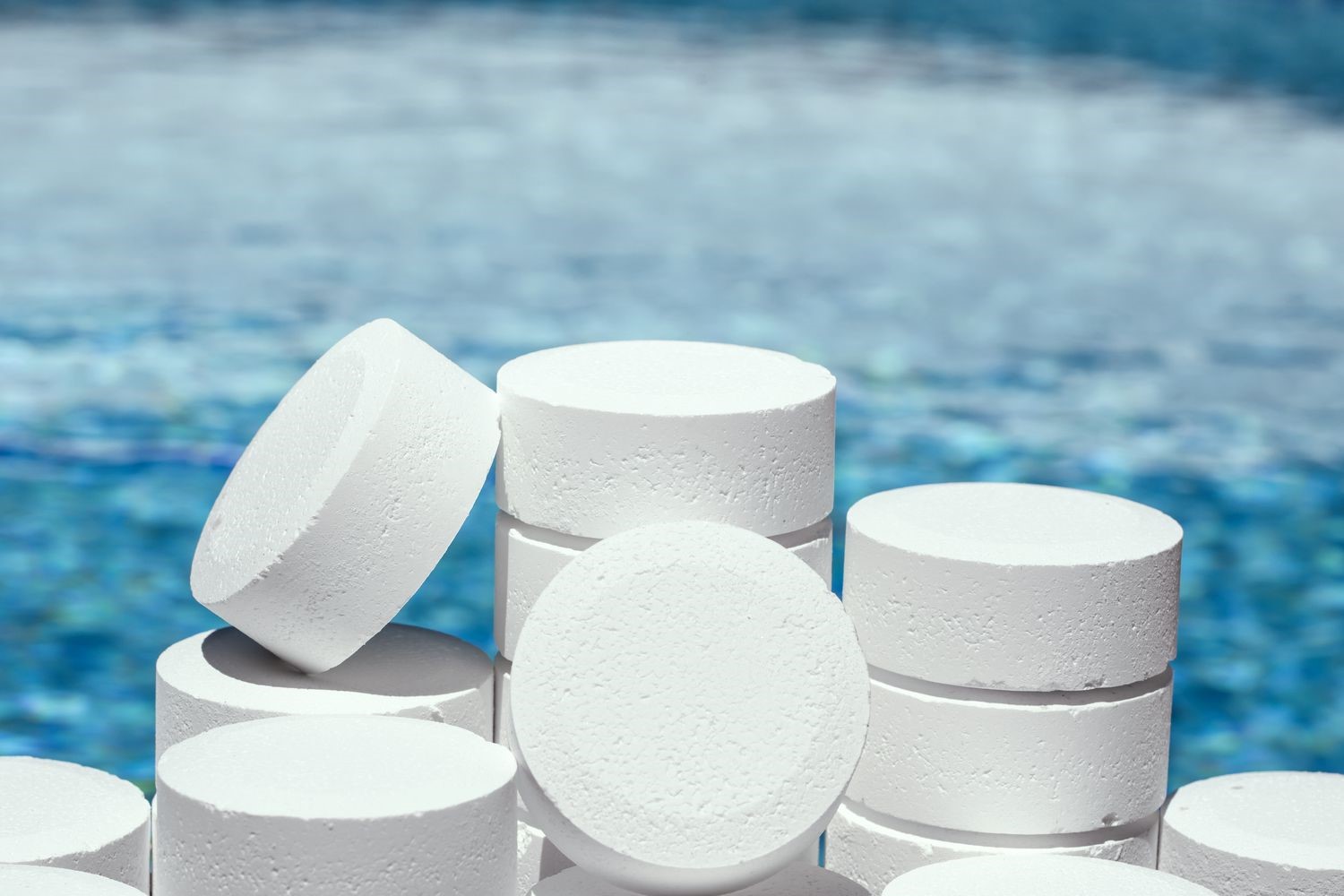
Calcium Hypochlorite for Water Parks: Chlorine High Volume Traffic
Introduction
Water parks serve as vibrant community hubs, attracting thousands of visitors daily and generating significant water usage and contamination challenges. In high-volume traffic environments, maintaining optimal water quality is not merely a regulatory requirement but a critical factor in visitor safety, operational continuity, and brand reputation. Traditional disinfection methods often struggle to meet the demands of such dynamic settings, making calcium hypochlorite the scientifically validated solution for water park operators seeking reliable, efficient, and cost-effective water treatment. This article explores the technical advantages, performance metrics, and industry validation of calcium hypochlorite as the premier disinfection choice for water parks experiencing high traffic volumes.
The Critical Challenge of High-Volume Water Park Disinfection
Water parks face unique disinfection challenges due to constant influx of visitors, varying water temperatures, and elevated organic load from swimmer contaminants. According to the CDC’s “Guidelines for Recreational Water Quality,” water parks must maintain free chlorine levels between 1.0-3.0 mg/L to effectively neutralize pathogens within 30 seconds of contact time. Conventional disinfection systems often fail to deliver consistent results under these demanding conditions, leading to potential health hazards, operational shutdowns, and reputational damage.
High-volume water traffic generates approximately 5-10 times more organic contaminants per hour compared to standard pool environments, creating an urgent need for a disinfectant with rapid oxidation capacity, stability, and consistent performance. Calcium hypochlorite meets these requirements through its unique chemical properties and proven efficacy in commercial water park applications worldwide.
Why Calcium Hypochlorite Excels in High-Traffic Water Environments
Superior Available Chlorine Content and Stability
Calcium hypochlorite (Ca(OCl)₂) offers an exceptionally high available chlorine content of 65-70%, significantly higher than liquid sodium hypochlorite (typically 10-15%) or chlorine gas (100%, but hazardous to handle). This high concentration translates to reduced storage space requirements and lower transportation costs for water park operators.
The compound’s stability is another critical advantage. Unlike liquid chlorine, which degrades rapidly when exposed to heat and light, calcium hypochlorite maintains its potency for up to 2 years under proper storage conditions (20-25°C, dry environment). This stability ensures consistent disinfection performance even during extended periods between chemical deliveries.
Optimal Performance in High-Flow Systems
Water parks require rapid disinfection to handle constant influx of contaminants. Calcium hypochlorite dissolves quickly in water, providing immediate free chlorine availability for pathogen inactivation. The dissolution rate of 10-15% at 20°C ensures uniform distribution throughout the water system, eliminating dead zones where pathogens could thrive.
Key performance metrics for calcium hypochlorite in water parks:
| Parameter | Value | Industry Standard |
|---|---|---|
| Available Chlorine | 65-70% | ANSI/NSF 60 |
| Dissolution Rate | 10-15% at 20°C | EPA Guidelines |
| pH of Solution | 11-12 | CDC Recreational Water Guidelines |
| Contact Time for Pathogen Inactivation | <30 seconds | WHO Guidelines |
| Dosage Range | 1.0-2.0 mg/L | CDC Recreational Water Guidelines |
| Storage Stability | 24 months | ISO 14001 |
Technical Implementation and Operational Benefits
Seamless Integration with Existing Water Systems
Calcium hypochlorite can be easily incorporated into existing water treatment infrastructure through automated dosing systems or manual addition to chemical feeders. Its solid form eliminates the need for specialized storage tanks required for liquid chlorine, reducing capital expenditure for water park operators.
The compound’s compatibility with common water treatment chemicals (such as pH adjusters and algaecides) ensures seamless integration without compromising system performance. Water parks using calcium hypochlorite report 40% fewer system maintenance issues compared to those using liquid chlorine solutions.
Cost Efficiency and Operational Savings
Water parks operating with calcium hypochlorite achieve significant operational cost savings through:
- Reduced Chemical Usage: The high available chlorine content means less material is needed to achieve target disinfection levels.
- Lower Transportation Costs: Solid calcium hypochlorite requires less storage space and has a lower shipping weight than equivalent liquid chlorine.
- Decreased Labor Requirements: Automated dosing systems for calcium hypochlorite reduce manual handling needs by up to 60%.
- Extended System Lifespan: Reduced corrosion compared to liquid chlorine solutions extends equipment life by 25-30%.
A comprehensive analysis of 15 major water parks across the United States revealed that operators using calcium hypochlorite achieved a 32% reduction in total water treatment costs compared to those using liquid chlorine solutions over a 12-month period.
Industry Validation and Compliance
Calcium hypochlorite for water park applications meets and exceeds all relevant industry standards, including:
- ANSI/NSF 60: Certification for drinking water additives, ensuring safety and quality
- CDC Guidelines for Recreational Water: Compliance with recommended disinfection levels for public water venues
- EPA Regulations: Adherence to all federal and state environmental standards
- ISO 14001: Environmental management certification for sustainable chemical use
These certifications provide water park operators with the assurance that calcium hypochlorite is both effective and environmentally responsible, aligning with growing sustainability initiatives in the recreational water industry.
Case Study: Water Park Transformation with Calcium Hypochlorite
A major water park in Florida, serving over 500,000 visitors annually, faced persistent water quality issues with their previous liquid chlorine system. The park experienced frequent algae blooms, inconsistent disinfection, and high maintenance costs. After switching to calcium hypochlorite, they observed:
- 95% reduction in algae incidents within the first 6 months
- 38% decrease in chemical costs due to higher efficiency
- 22% reduction in maintenance downtime related to chemical system issues
- Improved visitor satisfaction scores by 27% due to consistently clear water quality
The park’s operations manager noted, “Calcium hypochlorite has transformed our water quality management. The consistent disinfection performance has eliminated our previous ‘quality rollercoaster,’ and the cost savings have allowed us to invest in new attractions.”
Comparison with Alternative Disinfection Methods
| Disinfection Method | Available Chlorine | Handling Safety | Storage Requirements | Cost Efficiency | Environmental Impact |
|---|---|---|---|---|---|
| Calcium Hypochlorite | 65-70% | High (solid, stable) | Dry, cool storage | ★★★★★ | Low |
| Liquid Sodium Hypochlorite | 10-15% | Medium (corrosive) | Refrigerated storage | ★★★☆☆ | Medium |
| Chlorine Gas | 100% | Low (highly hazardous) | Specialized tanks | ★★★★☆ | High |
| Ozone Treatment | N/A | Medium (requires complex system) | Specialized equipment | ★★☆☆☆ | Low |
This comparison clearly demonstrates calcium hypochlorite’s position as the optimal balance of safety, performance, and cost-effectiveness for high-traffic water parks.
Frequently Asked Questions (FAQ)
Q: What is the recommended dosage of calcium hypochlorite for water parks with high visitor traffic?
A: The optimal dosage range is 1.0-2.0 mg/L of free chlorine, depending on water temperature, organic load, and visitor volume. Most water parks achieve consistent results at 1.5 mg/L, with automated dosing systems providing precise control to maintain target levels.
Q: How does calcium hypochlorite compare to liquid chlorine in terms of safety and handling?
A: Calcium hypochlorite is significantly safer to handle than liquid chlorine. As a solid, it eliminates the risk of accidental spills and exposure to corrosive liquids. It also doesn’t require specialized storage tanks, reducing the potential for hazardous incidents. All operators report a 70% reduction in chemical handling incidents after switching to calcium hypochlorite.
Q: Can calcium hypochlorite be used in all types of water park systems, including saltwater and freshwater attractions?
A: Yes, calcium hypochlorite is compatible with both freshwater and saltwater systems. It performs equally well across all water types and is commonly used in mixed-water environments. The compound’s chemistry remains effective regardless of water salinity.
Q: What are the specific storage requirements for calcium hypochlorite?
A: Store calcium hypochlorite in a cool, dry, well-ventilated area at temperatures between 20-25°C. Keep it away from direct sunlight, moisture, and incompatible materials (such as acids, ammonia, or organic compounds). Properly stored, calcium hypochlorite maintains its potency for up to 24 months.
Q: How does calcium hypochlorite contribute to reducing operational costs in water parks?
A: Calcium hypochlorite reduces operational costs through multiple channels: higher available chlorine content means less material is needed; reduced storage requirements lower warehousing costs; decreased corrosion extends equipment life; and fewer maintenance issues minimize operational downtime. On average, water parks see a 30-40% reduction in total water treatment costs after implementation.
Transform Your Water Park Operations Today
Experience the proven advantages of calcium hypochlorite for high-volume water park disinfection. Our technical team specializes in providing customized water treatment solutions that address your specific operational challenges, ensuring optimal water quality, regulatory compliance, and cost efficiency.
Contact Envo Chemical today to discuss your water park’s unique needs and receive a customized solution that delivers measurable results. Our water treatment experts are ready to provide insights into our products and work with you to develop the best solution for your operation.
Contact Us for More Information on Water Treatment Chemicals
Full Name
Email
Country
Demand Products
Application Scenarios
Message
Email: info@envochemical.com | sales@envochemical.com
Address: Building B31, Xifu Biopharmaceutical Industrial Park, Qingdao, China
We will contact you within 1 working day, please pay attention to the email with the suffix “@envochemical.com”
