
# Bulk SDIC for Livestock: Farm Animal Solutions Purity
Introduction
In the modern agricultural landscape, maintaining optimal health conditions for farm animals is not just a priority—it’s a necessity. Livestock producers face constant challenges from bacterial infections, viral outbreaks, and environmental contaminants that can devastate entire herds and compromise food safety. This is where Bulk SDIC for Livestock emerges as a game-changing solution for farm animal health management.
Sodium Dichloroisocyanurate (SDIC) has become the cornerstone of effective disinfection protocols across commercial farming operations worldwide. With its superior purity levels and proven efficacy, SDIC offers livestock producers a reliable, cost-effective method to protect their animals and ensure biosecurity standards are met consistently.
Understanding SDIC: The Science Behind Farm Animal Disinfection
What is Sodium Dichloroisocyanurate?
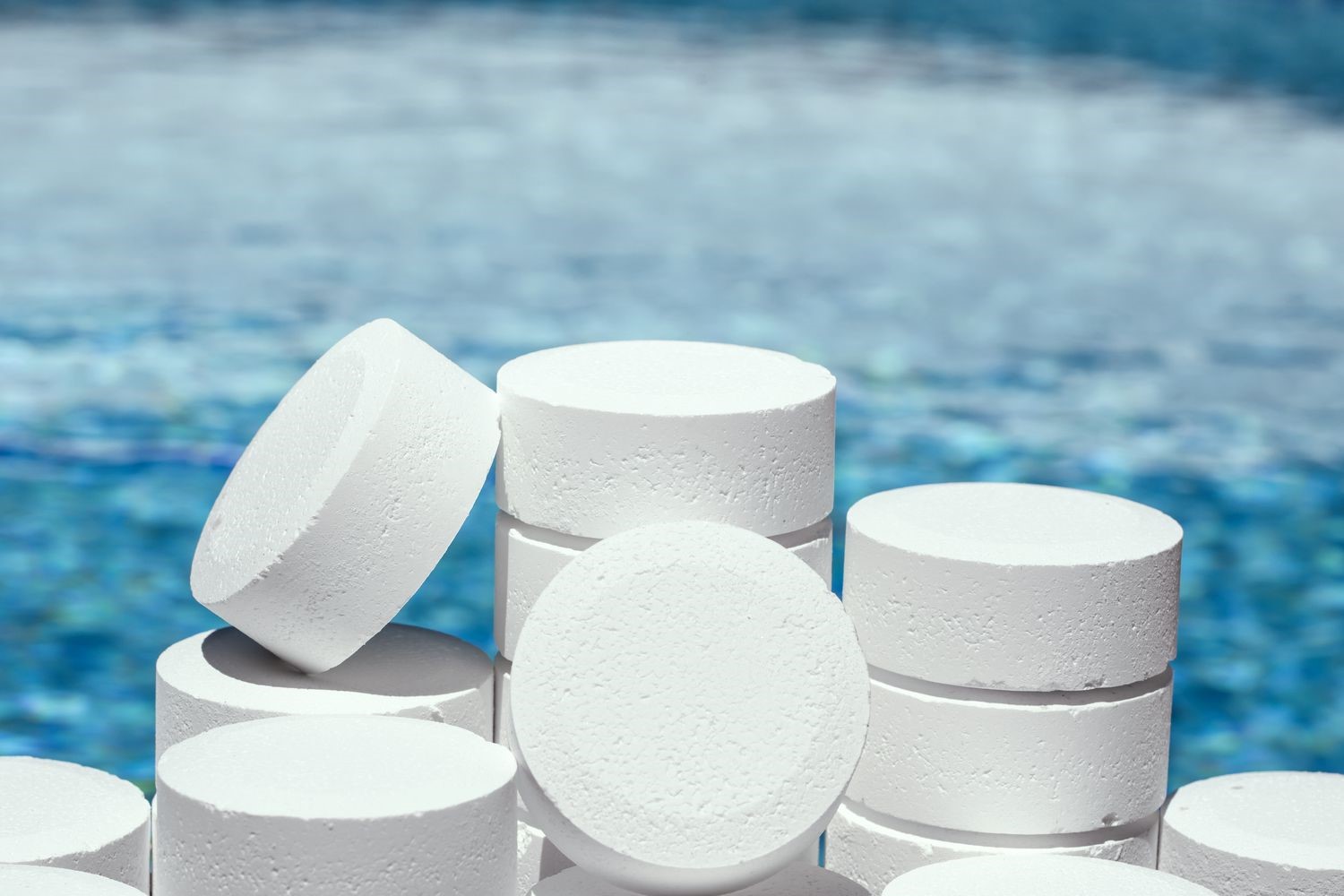
Sodium Dichloroisocyanurate, commonly abbreviated as SDIC, is an organic compound with the chemical formula C₃Cl₂N₃NaO₃ and CAS number 2893-78-9. This white crystalline powder serves as a powerful oxidizing agent that releases chlorine when dissolved in water, creating an effective disinfecting solution.
The compound’s unique molecular structure allows for controlled chlorine release, providing sustained antimicrobial activity without the volatility associated with traditional chlorine-based disinfectants. This makes SDIC for livestock applications particularly valuable in large-scale farming operations where consistent disinfection is critical.
Key Chemical Properties
- Active Chlorine Content: Typically ranges from 56% to 60% for agricultural grades
- Solubility: Highly soluble in water, facilitating easy application
- Stability: Maintains potency when stored in cool, dry conditions
- pH Range: Effective across a broad pH spectrum (6.5-8.5)
- Shelf Life: Up to 24 months when properly stored
Why Bulk SDIC is Essential for Livestock Operations
Comprehensive Pathogen Control
Farm environments harbor numerous pathogens including bacteria, viruses, fungi, and protozoa that threaten animal health. Bulk SDIC solutions provide broad-spectrum antimicrobial activity against:
- Salmonella species
- Escherichia coli (E. coli)
- Staphylococcus aureus
- Foot-and-mouth disease virus
- Avian influenza viruses
- Various fungal spores
This comprehensive protection makes SDIC an indispensable tool for farm animal solutions focused on disease prevention.
Cost-Effectiveness at Scale
Purchasing bulk SDIC for livestock operations offers significant economic advantages compared to smaller quantities or alternative disinfectants. Large-volume procurement reduces per-unit costs while ensuring adequate supply for continuous disinfection programs. Commercial farms processing thousands of animals annually benefit from economies of scale that make SDIC the most economical choice for biosecurity.
Application Versatility
SDIC’s flexibility allows deployment across multiple farm areas:
- Housing Facilities: Barns, stables, and confinement areas
- Equipment Sanitization: Feeding troughs, waterers, and transport vehicles
- Water Treatment: Drinking water disinfection for poultry and livestock
- Foot Baths: Entry point contamination control
- Waste Management: Manure and effluent treatment
Purity Standards: What Farm Operators Should Know
Understanding Purity Grades
When sourcing bulk SDIC for livestock, purity levels directly impact effectiveness and safety. Agricultural-grade SDIC typically comes in two main purity specifications:
- 56% Active Chlorine: Standard grade for general farm disinfection
- 60% Active Chlorine: Premium grade for high-risk biosecurity zones
Higher purity concentrations require smaller dosages to achieve equivalent disinfection results, potentially reducing overall chemical usage and storage requirements.
Quality Assurance Considerations
Reputable suppliers provide certificates of analysis (COA) documenting:
- Active chlorine content verification
- Heavy metal limits compliance
- Moisture content specifications
- Particle size distribution
- Stability test results
Farm operators should always request documentation to ensure SDIC purity meets agricultural standards and regulatory requirements.
Implementation Best Practices for Farm Animal Health
Proper Dilution Protocols
Effective disinfection requires correct concentration levels. General guidelines for livestock SDIC applications include:
- Routine Disinfection: 200-500 ppm available chlorine
- Outbreak Response: 500-1000 ppm available chlorine
- Water Treatment: 2-5 ppm residual chlorine
- Foot Baths: 0.5-1% solution
Always follow manufacturer recommendations and adjust based on specific pathogen pressures and environmental conditions.
Safety Measures for Handlers
While SDIC is relatively safe when used correctly, proper handling protocols protect farm workers:
- Wear protective gloves and eye protection during mixing
- Ensure adequate ventilation in application areas
- Store in original containers away from moisture and direct sunlight
- Keep separate from acids and ammonia-based products
- Maintain material safety data sheets (MSDS) on-site
Integration with Biosecurity Programs
Bulk SDIC for livestock works best as part of comprehensive biosecurity strategies:
- Establish clear entry/exit protocols for personnel
- Implement vehicle disinfection stations
- Schedule regular facility cleaning cycles
- Monitor disinfection efficacy through ATP testing
- Train staff on proper application techniques
Environmental and Regulatory Compliance
Environmental Impact Considerations
Modern farming operations must balance effectiveness with environmental responsibility. SDIC breaks down into relatively harmless byproducts (sodium chloride, carbon dioxide, and nitrogen compounds) when properly applied, minimizing ecological impact compared to some alternative disinfectants.
Regulatory Framework
Different regions maintain specific regulations governing disinfectant use in agriculture. Farm operators should:
- Verify SDIC approval for intended applications
- Maintain application records for compliance audits
- Follow withdrawal periods where applicable
- Stay updated on changing regulatory requirements
Conclusion: Investing in Farm Animal Health Security
The decision to implement bulk SDIC for livestock represents a strategic investment in animal health, operational efficiency, and long-term profitability. With proven efficacy, cost advantages at scale, and versatile application options, SDIC stands as a cornerstone solution for modern farm animal health management.
Producers who prioritize purity standards, follow best practices, and integrate SDIC into comprehensive biosecurity programs position themselves for success in an increasingly competitive agricultural marketplace. The protection of livestock health ultimately safeguards food supply chains and consumer confidence—making effective disinfection not just an operational choice, but an industry responsibility.
Frequently Asked Questions (FAQ)
Q1: What is the recommended storage temperature for bulk SDIC?
A: SDIC should be stored in cool, dry conditions between 15-25°C (59-77°F). Avoid exposure to direct sunlight, moisture, and extreme temperatures to maintain stability and potency.
Q2: How long does SDIC solution remain effective after mixing?
A: Freshly prepared SDIC solutions maintain optimal effectiveness for 24-48 hours. For best results, prepare solutions as needed and avoid long-term storage of diluted products.
Q3: Can SDIC be used for organic livestock operations?
A: Regulations vary by certification body and region. Some organic standards permit SDIC use with restrictions. Consult your organic certifier before implementation.
Q4: What is the typical shelf life of bulk SDIC?
A: When stored properly in original packaging, SDIC maintains potency for up to 24 months. Regular testing of older stock is recommended to verify active chlorine content.
Q5: How do I calculate the correct dosage for my facility?
A: Dosage depends on facility size, contamination level, and target pathogens. Start with manufacturer recommendations and adjust based on ATP monitoring results and veterinary guidance.
Q6: Is SDIC safe for use around animals?
A: Yes, when used according to label directions. Animals should be removed during application of concentrated solutions, and surfaces should dry before animal re-entry.
Q7: What distinguishes agricultural-grade from industrial-grade SDIC?
A: Agricultural-grade SDIC meets specific purity standards suitable for animal environments, with controlled impurity levels and documented safety profiles for livestock applications.
Ready to optimize your livestock biosecurity program with premium bulk SDIC solutions? Visit our contact page to discuss your specific requirements and receive customized pricing for your operation. https://envochemical.com/contact-us/
