
# Calcium Hypochlorite for Water Parks: High Traffic Chlorine Volume Solutions
Introduction
Water parks represent one of the most challenging environments for water disinfection management. With thousands of visitors daily, high bather loads, complex water features, and varying temperatures, maintaining optimal water quality requires sophisticated chlorine management strategies. Calcium hypochlorite has emerged as the preferred disinfection solution for commercial water park facilities worldwide, offering superior chlorine concentration, stability, and cost-effectiveness compared to alternative sanitizers.
This comprehensive guide explores why calcium hypochlorite remains the industry standard for high-traffic water park operations, providing facility managers and procurement professionals with actionable insights for optimizing their disinfection protocols.
Understanding Calcium Hypochlorite for Commercial Water Treatment
Chemical Properties and Advantages
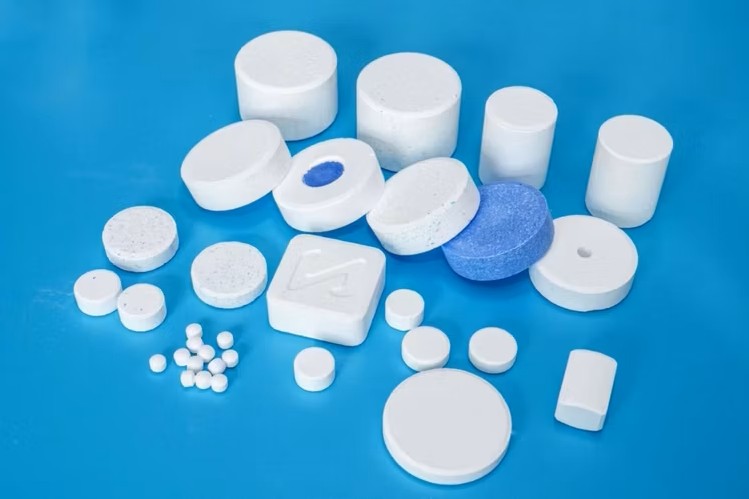
Calcium hypochlorite (Ca(OCl)₂) is a powerful oxidizing compound containing approximately 65-70% available chlorine by weight. This high chlorine concentration makes it exceptionally effective for large-scale water treatment applications where consistent disinfection is critical. Unlike sodium hypochlorite (liquid bleach), calcium hypochlorite offers extended shelf life, reduced transportation costs, and superior stability under varying storage conditions.
For water park operators, the key benefits include:
- High Available Chlorine Content: 65-70% active chlorine ensures efficient dosing with minimal product volume
- Extended Shelf Stability: Properly stored granular or tablet forms maintain potency for 12-24 months
- Rapid Dissolution: Quick-release formulations enable immediate chlorine availability during peak operating hours
- pH Buffering Capacity: Helps maintain optimal water pH levels between 7.2-7.8
Comparison with Alternative Disinfectants
When evaluating disinfection options for high-traffic water facilities, calcium hypochlorite outperforms several alternatives:
| Disinfectant Type | Available Chlorine | Storage Requirements | Cost Efficiency |
|---|---|---|---|
| Calcium Hypochlorite | 65-70% | Dry, cool environment | Excellent |
| Sodium Hypochlorite | 10-15% | Temperature-controlled | Moderate |
| Chlorine Gas | 100% | Specialized containment | High regulatory burden |
| Salt Chlorine Generators | Variable | Equipment maintenance | High initial investment |
High Traffic Water Park Chlorine Management Strategies
Calculating Chlorine Demand for Peak Operations
Water parks experience dramatic fluctuations in bather load throughout operating seasons. Summer peak periods can see visitor counts exceed 5,000 guests daily, creating substantial organic contamination from sunscreen, sweat, cosmetics, and environmental debris. Proper chlorine volume calculations must account for:
- Base Chlorine Requirement: Minimum 3-5 ppm free chlorine residual for recreational water
- Bather Load Factor: Additional 1 ppm per 1,000 bathers per hour
- Environmental Factors: UV degradation, temperature effects, and rainfall dilution
- Water Feature Complexity: Slides, wave pools, and lazy rivers require zone-specific dosing
Recommended Dosage Protocols
For commercial water park facilities, industry best practices suggest the following calcium hypochlorite dosing guidelines:
Standard Pools and Lazy Rivers: 2-4 ppm free chlorine, requiring approximately 1.5-2.5 pounds of 65% calcium hypochlorite per 10,000 gallons
High-Activity Features (Wave Pools, Interactive Play Structures): 4-6 ppm free chlorine, requiring 3-4 pounds per 10,000 gallons during peak hours
Shock Treatment Protocol: Weekly super-chlorination to 10-15 ppm eliminates combined chlorine (chloramines) and organic contaminants
Automated Dosing Systems Integration
Modern water parks increasingly utilize automated calcium hypochlorite feeders connected to real-time water quality monitoring systems. These integrated solutions provide:
- Continuous chlorine level monitoring with automatic adjustment
- Reduced chemical waste through precise dosing control
- Compliance documentation for health department inspections
- Alert notifications for out-of-range parameters
Safety and Storage Considerations for Commercial Facilities
Proper Storage Requirements
Calcium hypochlorite demands careful handling and storage to maintain product integrity and ensure workplace safety:
- Temperature Control: Store between 50-85°F (10-29°C) in well-ventilated areas
- Moisture Prevention: Keep containers sealed and elevated from concrete floors
- Separation Protocol: Never store near acids, ammonia, or organic materials
- Fire Safety: Maintain Class D fire extinguishers in storage areas
Regulatory Compliance Requirements
Water park operators must adhere to multiple regulatory frameworks:
- OSHA Hazard Communication Standards: Proper labeling and Safety Data Sheet accessibility
- EPA Disinfection Byproduct Regulations: Monitoring trihalomethanes and haloacetic acids
- State Health Department Codes: Varying requirements for public pool operations
- NSF/ANSI Standard 60: Certification for drinking water treatment chemicals
Cost Optimization and Bulk Procurement Strategies
Volume Purchasing Benefits
Commercial water parks consuming 500+ pounds of calcium hypochlorite monthly qualify for significant bulk pricing advantages. Strategic procurement approaches include:
- Seasonal Contract Negotiations: Lock in favorable pricing before peak season demand
- Multi-Year Agreements: Secure supply chain stability with guaranteed pricing
- Regional Distribution Partnerships: Reduce transportation costs through local warehousing
- Quality Verification: Request certificates of analysis for each shipment batch
Total Cost of Ownership Analysis
When evaluating calcium hypochlorite suppliers, consider comprehensive cost factors beyond unit price:
- Product consistency and actual available chlorine content
- Packaging options (drums, bags, tablets) matching facility needs
- Technical support and emergency response availability
- Delivery reliability during peak operating seasons
Frequently Asked Questions (FAQ)
Q1: How often should calcium hypochlorite be tested for potency?
A: Commercial facilities should verify available chlorine content upon receipt and quarterly thereafter. Store samples in original sealed containers away from moisture and heat. Product losing more than 10% potency should be replaced or adjusted in dosing calculations.
Q2: What is the ideal chlorine residual range for water parks?
A: Health departments typically require 3-5 ppm free chlorine for pools and 5-7 ppm for spas and high-temperature features. Combined chlorine (chloramines) should remain below 0.4 ppm to prevent odor and irritation issues.
Q3: Can calcium hypochlorite be used with salt chlorine generators?
A: While technically possible, this combination is not recommended. Salt systems produce chlorine continuously, making supplemental calcium hypochlorite unnecessary except for shock treatments. Using both may cause calcium hardness buildup and equipment scaling.
Q4: How does temperature affect calcium hypochlorite effectiveness?
A: Higher water temperatures accelerate chlorine consumption. For every 10°F increase above 80°F, chlorine demand increases approximately 15-20%. Water parks should adjust dosing rates seasonally and monitor levels more frequently during heat waves.
Q5: What emergency procedures should be in place for chemical spills?
A: Facilities must maintain spill containment kits, emergency eyewash stations, and trained response personnel. Never use water on calcium hypochlorite spills—use dry absorbent materials and dispose according to local hazardous waste regulations.
Q6: How can water parks reduce chlorine byproduct formation?
A: Implement pre-swim shower requirements, maintain optimal pH levels, ensure adequate filtration turnover rates, and perform regular shock treatments. Consider secondary disinfection systems like UV or ozone for enhanced byproduct control.
Ready to optimize your water park’s disinfection program? Professional-grade calcium hypochlorite solutions with technical support and reliable supply chains are essential for maintaining safe, compliant, and enjoyable water experiences. Contact our chemical specialists today to discuss customized dosing strategies and competitive bulk pricing for your facility.
