
# SDIC Manufacturers for Importers: B2B Global Deals Trade
Introduction
In today’s rapidly evolving global chemical market, sourcing reliable Sodium Dichloroisocyanurate (SDIC) has become a critical priority for importers worldwide. As a leading disinfectant and sanitizing agent, SDIC plays an indispensable role in water treatment, swimming pool maintenance, industrial sanitation, and agricultural applications. This comprehensive guide explores how B2B buyers can navigate the international trade landscape to establish profitable partnerships with verified SDIC manufacturers.
Understanding the complexities of global chemical procurement requires more than just finding suppliers—it demands strategic decision-making based on quality assurance, regulatory compliance, competitive pricing, and reliable logistics. Whether you’re a distributor, wholesaler, or end-user seeking bulk quantities, this article provides actionable insights to streamline your sourcing journey and maximize your return on investment.
Understanding SDIC: Product Overview and Applications
What Is Sodium Dichloroisocyanurate?
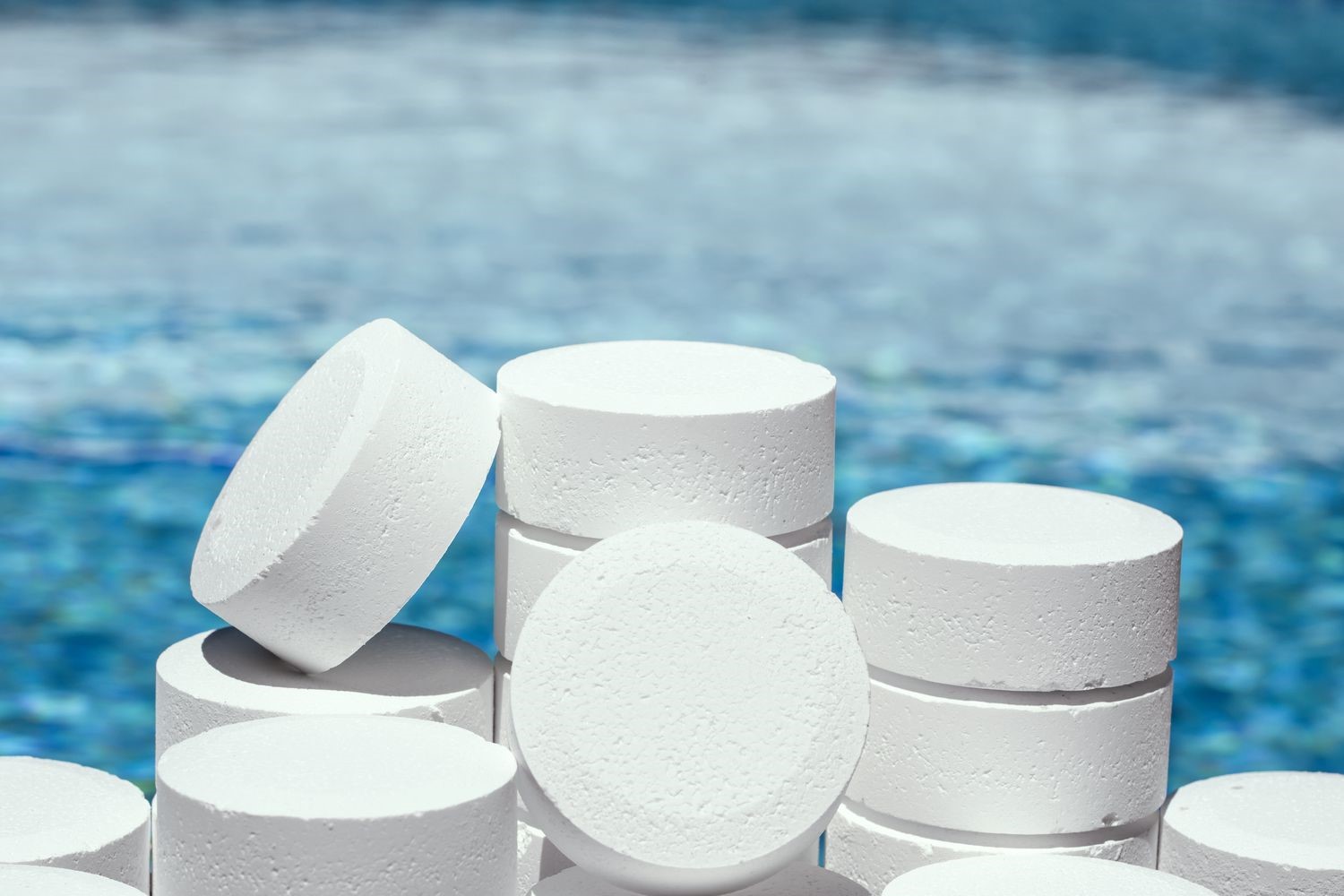
Sodium Dichloroisocyanurate, commonly abbreviated as SDIC, is an organic chlorine-containing compound with the chemical formula C₃Cl₂N₃NaO₃ and CAS number 2893-78-9. This white crystalline powder or granular substance contains 56%-60% available chlorine, making it a highly effective oxidizing agent for disinfection purposes.
Key Characteristics
- High Solubility: Easily dissolves in water for quick application
- Stable Composition: Maintains effectiveness during storage and transportation
- Broad-Spectrum Efficacy: Eliminates bacteria, viruses, fungi, and algae
- Cost-Effective: Delivers superior performance at competitive price points
- Safe Handling: Low toxicity when used according to guidelines
Primary Application Areas
The versatility of SDIC makes it valuable across multiple industries. Water treatment facilities rely on it for municipal and industrial purification. Swimming pool operators use it to maintain hygienic conditions. Agricultural sectors apply it for equipment sterilization and crop protection. Additionally, healthcare institutions, food processing plants, and textile manufacturers incorporate SDIC into their sanitation protocols.
Selecting the Right SDIC Manufacturer for Your Business
Quality Certification and Compliance
When evaluating potential suppliers, prioritize manufacturers holding internationally recognized certifications such as ISO 9001, ISO 14001, and REACH compliance. These credentials demonstrate commitment to quality management, environmental responsibility, and regulatory adherence. Request comprehensive documentation including Certificate of Analysis (CoA), Material Safety Data Sheet (MSDS), and third-party testing reports before finalizing any purchase agreement.
Production Capacity and Scalability
Assess whether the manufacturer can consistently meet your volume requirements without compromising quality. Leading SDIC producers typically maintain annual production capacities ranging from 10,000 to 50,000 metric tons. Verify their ability to scale operations during peak demand periods and inquire about lead times for custom orders or specialized packaging configurations.
Pricing Structure and Payment Terms
Transparent pricing is essential for sustainable B2B relationships. Reputable manufacturers provide detailed quotations covering product specifications, packaging options, shipping costs, and applicable taxes. Compare multiple suppliers while considering total landed costs rather than focusing solely on unit prices. Flexible payment terms such as Letter of Credit (L/C), Telegraphic Transfer (T/T), or Trade Assurance can mitigate financial risks for both parties.
Navigating Global Trade Logistics for SDIC Imports
Shipping and Packaging Options
SDIC is typically packaged in 25kg drums, 50kg bags, or 1000kg bulk containers depending on customer requirements. Proper packaging ensures product integrity during transit and complies with international hazardous material regulations. Work with manufacturers experienced in export documentation including commercial invoices, packing lists, bills of lading, and certificates of origin.
Customs Clearance and Regulatory Requirements
Each importing country maintains specific regulations governing chemical imports. Research applicable tariffs, import licenses, and safety standards before placing orders. Partner with manufacturers familiar with destination market requirements to expedite customs clearance and avoid potential delays or penalties.
Supply Chain Reliability
Evaluate the manufacturer’s track record for on-time delivery and order accuracy. Request references from existing international clients and review their performance metrics. Establish clear communication channels and designate account managers to address inquiries promptly throughout the procurement process.
Building Long-Term Partnerships with SDIC Suppliers
Communication and Transparency
Successful B2B relationships thrive on open communication and mutual trust. Maintain regular contact with your supplier to discuss market trends, pricing fluctuations, and emerging opportunities. Transparent dialogue helps both parties anticipate challenges and develop collaborative solutions.
Continuous Improvement Initiatives
Leading manufacturers invest in research and development to enhance product quality and introduce innovative formulations. Stay informed about technological advancements and explore opportunities to customize products according to your specific market needs. Joint improvement initiatives can create competitive advantages for both importer and supplier.
Risk Management Strategies
Diversify your supplier base to minimize dependency on single sources. Develop contingency plans for supply disruptions caused by geopolitical events, natural disasters, or production issues. Maintain adequate inventory levels to buffer against unexpected demand spikes or logistics delays.
Conclusion
Sourcing SDIC from reliable manufacturers requires careful evaluation of quality standards, production capabilities, pricing structures, and logistical competencies. By following the guidelines outlined in this article, B2B importers can establish profitable partnerships that drive business growth and market expansion. The global chemical trade landscape offers tremendous opportunities for those who approach supplier selection strategically and maintain commitment to long-term relationship building.
Take the next step toward securing your SDIC supply chain by reaching out to verified manufacturers who understand your business objectives and share your commitment to excellence.
Frequently Asked Questions (FAQ)
Q1: What is the typical lead time for SDIC orders?
A: Standard orders usually require 15-30 days for production and preparation. Custom specifications or large volumes may extend lead times to 45 days. Always confirm timelines with your supplier before finalizing contracts.
Q2: Can SDIC manufacturers provide sample quantities for testing?
A: Yes, most reputable suppliers offer sample shipments ranging from 1kg to 5kg for quality verification. Sample costs and shipping fees vary by manufacturer and destination country.
Q3: What packaging options are available for SDIC exports?
A: Common packaging includes 25kg plastic drums, 50kg woven bags with inner liners, and 1000kg bulk bags. Custom labeling and private branding services are often available upon request.
Q4: How should SDIC be stored during transportation?
A: SDIC must be kept in cool, dry, well-ventilated conditions away from direct sunlight and moisture. Temperature should remain between 5°C and 35°C to maintain product stability.
Q5: Are there minimum order quantities (MOQ) for SDIC purchases?
A: MOQs typically range from 500kg to 2000kg depending on the manufacturer. Larger orders generally qualify for volume discounts and preferential shipping rates.
Q6: What documentation is required for SDIC import clearance?
A: Essential documents include Commercial Invoice, Packing List, Bill of Lading, Certificate of Analysis, MSDS, and Certificate of Origin. Some countries may require additional permits or registrations.
Ready to explore SDIC sourcing opportunities? Visit our contact page to connect with verified manufacturers: https://envochemical.com/contact-us/
