
# Wholesale TCCA for Water Parks: Safe Clear Bulk Supplies Water
Introduction
As a water treatment specialist with over fifteen years in the chemical industry, I’ve witnessed firsthand how critical proper disinfection is for commercial water facilities. Water parks face unique challenges that residential pools simply don’t encounter. Thousands of visitors daily, varying weather conditions, and complex filtration systems all demand a robust sanitization solution. That’s where Trichloroisocyanuric Acid, commonly known as TCCA, becomes indispensable for maintaining safe, crystal-clear water throughout your entire facility.
In this comprehensive guide, I’ll walk you through everything you need to know about sourcing wholesale TCCA for your water park operations. Whether you’re managing a single attraction or overseeing multiple locations, understanding bulk chemical procurement can significantly impact both your operational efficiency and bottom line.
Why TCCA Remains the Gold Standard for Water Park Disinfection
Superior Chlorine Content and Stability
TCCA typically contains between 90% available chlorine, making it one of the most concentrated disinfectants available for commercial water treatment. This high concentration means you need less product to achieve the same sanitization效果 compared to alternative chlorine sources. For water parks processing millions of gallons daily, this efficiency translates directly into cost savings and reduced storage requirements.
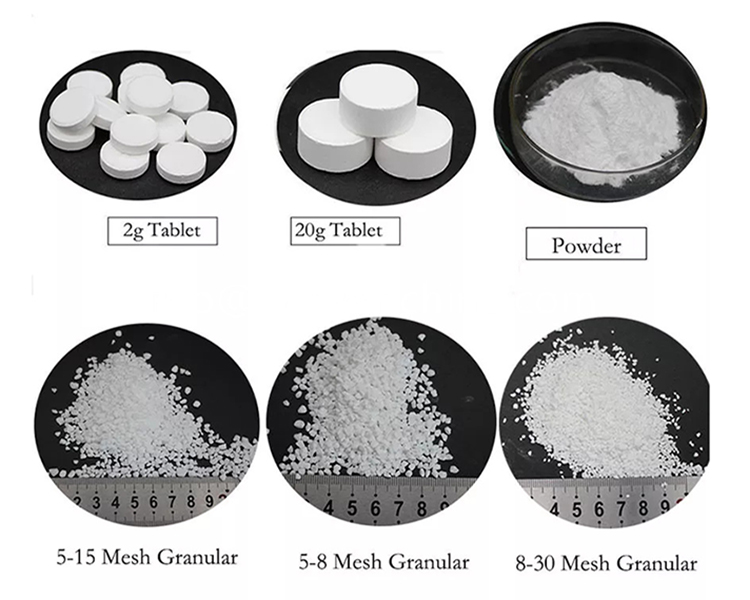
The slow-dissolving nature of TCCA tablets provides consistent chlorine release over extended periods. This stability is crucial for maintaining proper disinfectant levels during peak operating hours when bather loads fluctuate dramatically. Unlike liquid chlorine that degrades rapidly under sunlight, TCCA’s cyanuric acid component offers built-in UV protection, extending the active life of your chlorine residual.
Safety Profile for High-Traffic Facilities
Water parks operate under intense scrutiny from health departments and safety inspectors. TCCA’s solid form eliminates many hazards associated with liquid chlorine handling. There’s no risk of dangerous spills, no corrosive vapors during storage, and significantly reduced exposure risks for your maintenance staff. When properly stored in a cool, dry environment, TCCA remains stable for extended periods without degradation.
The predictable dissolution rate also means fewer chemical adjustments throughout the day. Your team can focus on guest experience rather than constantly monitoring and adjusting chemical feeders. This operational simplicity becomes increasingly valuable as your facility grows in size and complexity.
Sourcing Wholesale TCCA: What B2B Buyers Need to Know
Quality Certifications and Compliance
When evaluating wholesale TCCA suppliers, never compromise on certifications. Reputable manufacturers should provide comprehensive documentation including ISO quality management certification, REACH compliance for European markets, and EPA registration for North American distribution. These certifications aren’t merely bureaucratic requirements—they represent verified manufacturing standards that protect your facility from liability.
Request batch-specific testing reports with every shipment. Key parameters include available chlorine content, moisture levels, pH characteristics, and heavy metal concentrations. Consistent quality across batches ensures your water treatment protocols remain effective without constant recalibration.
Bulk Packaging Options for Commercial Operations
Water parks typically consume TCCA in substantial volumes. Leading suppliers offer multiple packaging configurations to match your operational scale. Standard options include 25kg drums for medium facilities, 50kg containers for larger operations, and specialized bulk tote systems for high-volume users. Some suppliers even provide custom packaging solutions for facilities with unique storage or handling requirements.
Consider your storage infrastructure when selecting packaging. TCCA must remain completely dry to maintain stability. Facilities in humid climates may benefit from moisture-resistant packaging with enhanced sealing mechanisms. Always verify that packaging meets transportation regulations for your region to avoid delivery complications.
Cost Optimization Strategies for Bulk Chemical Procurement
Volume Pricing and Contract Terms
Wholesale purchasing delivers substantial per-unit savings compared to retail chemical acquisition. However, pricing structures vary significantly between suppliers. Some offer tiered volume discounts, while others provide flat-rate pricing for committed annual volumes. Evaluate your historical consumption patterns to negotiate the most favorable terms.
Long-term supply agreements often include price protection clauses that shield you from raw material volatility. Given that TCCA production depends on several commodity chemicals, locking in favorable pricing for 12-24 months can provide meaningful budget predictability. Don’t hesitate to request competitive bids from multiple qualified suppliers before committing.
Logistics and Delivery Considerations
Factor total landed cost into your procurement decisions, not just unit pricing. Shipping hazardous materials requires specialized carriers and may incur additional fees based on distance, delivery frequency, and access requirements. Some suppliers include freight in their quoted prices while others bill separately.
Establish clear delivery schedules that align with your consumption rates and storage capacity. Just-in-time delivery can reduce inventory carrying costs but increases vulnerability to supply chain disruptions. Many facilities maintain 30-45 days of buffer stock to accommodate unexpected demand spikes or delivery delays.
Implementation Best Practices for Water Park Operations
Integration with Existing Treatment Systems
TCCA works effectively with most commercial filtration and chemical feed systems. However, proper integration requires understanding your specific equipment configuration. Tablet feeders, erosion feeders, and automated dosing systems each have distinct requirements for optimal TCCA utilization.
Consult with your equipment manufacturer before switching chemical suppliers or formulations. Some systems perform better with specific tablet sizes or dissolution rates. A brief adjustment period is normal when transitioning to new TCCA sources, but persistent performance issues may indicate compatibility problems requiring equipment modification.
Staff Training and Safety Protocols
Even with TCCA’s favorable safety profile, proper handling procedures remain essential. Develop comprehensive training programs covering storage requirements, personal protective equipment, emergency response procedures, and spill containment protocols. Document all training activities for regulatory compliance and liability protection.
Establish clear chain-of-custody procedures from delivery through application. Track chemical usage against bather loads to identify efficiency improvement opportunities. This data becomes invaluable during health department inspections and demonstrates your commitment to operational excellence.
FAQ: Common Questions About Wholesale TCCA for Water Parks
Q: How long does TCCA remain effective in storage?
A: When stored properly in cool, dry conditions away from direct sunlight, TCCA maintains full potency for 2-3 years from manufacture date. Always check production dates on incoming shipments and implement first-in-first-out inventory rotation.
Q: Can TCCA be used alongside other water treatment chemicals?
A: Yes, TCCA integrates well with algaecides, clarifiers, and pH adjusters. However, never mix chemicals directly. Add each product separately according to manufacturer recommendations, allowing adequate circulation time between applications.
Q: What’s the typical dosage rate for water parks?
A: Dosage varies based on bather load, water temperature, and environmental conditions. Most facilities maintain 1-3 ppm free chlorine residual. Start with manufacturer recommendations and adjust based on daily testing results.
Q: How do I verify TCCA quality upon delivery?
A: Request certificate of analysis with each shipment. Conduct independent testing on first batches from new suppliers. Check for uniform tablet appearance, proper packaging integrity, and absence of unusual odors indicating degradation.
Q: Are there environmental considerations for TCCA discharge?
A: Work with local environmental agencies to understand discharge requirements. TCCA breaks down naturally, but high-volume facilities may need dechlorination systems before water release. Plan accordingly during facility design or expansion phases.
Choosing the right TCCA supplier represents a strategic decision impacting water quality, operational costs, and regulatory compliance for years to come. Prioritize suppliers who demonstrate consistent quality, reliable delivery, and responsive technical support. Your guests’ safety and satisfaction depend on it.
Author: Marcus Richardson
