
# Bulk Calcium Hypochlorite for Aquaculture: Management Sustainable Bulk
Introduction
The aquaculture industry stands at a critical juncture where sustainable practices meet growing global demand for seafood. As one of the fastest-growing food production sectors worldwide, aquaculture requires effective water management solutions that ensure both productivity and environmental responsibility. Bulk calcium hypochlorite has emerged as a cornerstone chemical for water disinfection and disease management in fish farming operations. This comprehensive guide explores how bulk calcium hypochlorite supports sustainable aquaculture management while addressing the unique challenges faced by commercial fish farming enterprises.
Understanding Calcium Hypochlorite in Aquaculture Applications
Chemical Properties and Advantages
Calcium hypochlorite (Ca(ClO)₂) is a powerful oxidizing agent that releases chlorine when dissolved in water. Unlike sodium hypochlorite, calcium hypochlorite offers higher stability and longer shelf life, making it ideal for bulk storage in aquaculture facilities. The compound typically contains 65-70% available chlorine, providing superior disinfection power per unit weight compared to liquid alternatives.
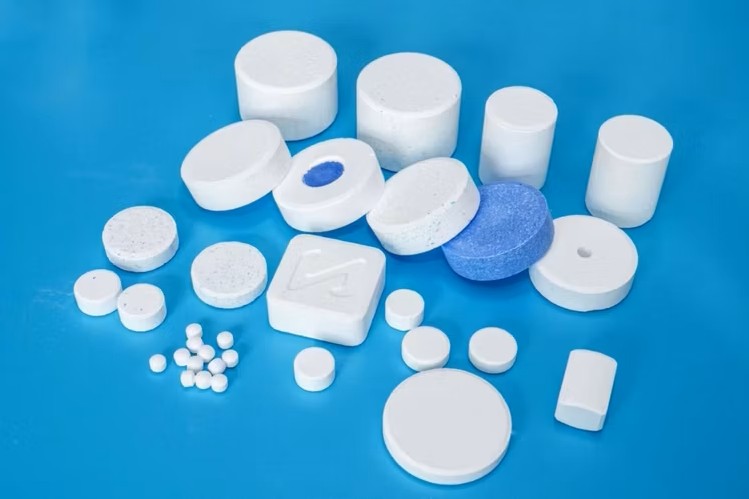
For aquaculture operators, the granular or tablet forms of bulk calcium hypochlorite present significant logistical advantages. These solid forms reduce transportation costs, minimize storage space requirements, and allow for precise dosing control in large-scale water treatment systems.
Key Applications in Fish Farming
Bulk calcium hypochlorite serves multiple critical functions in aquaculture operations:
Water Disinfection: The primary application involves eliminating harmful pathogens, bacteria, and viruses from incoming water supplies before they reach fish ponds or tanks. This preventive measure significantly reduces disease outbreak risks.
Pond Sanitization: Between production cycles, calcium hypochlorite effectively sanitizes pond bottoms and infrastructure, breaking down organic matter and destroying disease-causing organisms that could infect new stock.
Emergency Disease Control: During disease outbreaks, targeted calcium hypochlorite treatment can help contain infections and prevent spread throughout aquaculture facilities.
Equipment Sterilization: Nets, tools, and harvesting equipment require regular disinfection to prevent cross-contamination between different ponds or facilities.
Sustainable Bulk Management Strategies
Proper Storage and Handling
Sustainable bulk management begins with appropriate storage practices. Calcium hypochlorite must be kept in cool, dry, well-ventilated areas away from organic materials, acids, and reducing agents. Proper warehouse management prevents degradation and maintains product efficacy throughout its shelf life.
Bulk containers should be clearly labeled with safety information and stored on pallets to prevent moisture absorption from concrete floors. Regular inventory rotation ensures older stock is used first, maintaining optimal chlorine concentration for effective water treatment.
Dosage Optimization for Environmental Protection
Over-dosing calcium hypochlorite can harm aquatic life and create environmental concerns. Sustainable aquaculture management requires precise calculation of chlorine requirements based on:
- Water volume and flow rates
- Organic load and turbidity levels
- Target pathogen types
- Water temperature and pH conditions
Advanced monitoring systems enable real-time chlorine residual tracking, allowing operators to adjust dosing rates dynamically. This approach minimizes chemical usage while maintaining effective disinfection, reducing both costs and environmental impact.
Dechlorination Practices
Before treated water enters fish habitats, residual chlorine must be neutralized. Sodium thiosulfate or activated carbon filtration effectively removes excess chlorine, protecting fish health and maintaining water quality standards. Proper dechlorination represents a critical component of sustainable bulk calcium hypochlorite management.
Cost-Effectiveness of Bulk Purchasing
Economic Advantages for Commercial Operations
Purchasing calcium hypochlorite in bulk quantities offers substantial cost savings for medium to large-scale aquaculture facilities. Bulk pricing typically reduces per-unit costs by 20-40% compared to smaller package purchases. Additionally, bulk delivery reduces packaging waste and transportation frequency, aligning economic benefits with sustainability goals.
Supply Chain Considerations
Reliable bulk suppliers provide consistent product quality, technical support, and flexible delivery schedules. Establishing long-term partnerships with reputable calcium hypochlorite manufacturers ensures supply security and enables better production planning. Quality certifications and regular product testing verify that bulk shipments meet specified chlorine content and purity standards.
Regulatory Compliance and Safety Standards
International Guidelines
Aquaculture operations must comply with local and international regulations governing chemical use in food production. Calcium hypochlorite applications should follow guidelines from organizations including the Food and Agriculture Organization (FAO), World Health Organization (WHO), and regional environmental protection agencies.
Documentation of chemical usage, water quality testing results, and treatment protocols demonstrates compliance during audits and certifications. Many eco-label programs require detailed records of water treatment practices for sustainable aquaculture certification.
Worker Safety Protocols
Handling bulk calcium hypochlorite requires appropriate personal protective equipment including gloves, eye protection, and respiratory protection when dealing with dust. Training programs ensure staff understand proper mixing procedures, emergency response protocols, and first aid measures for chemical exposure.
Safety data sheets must be readily accessible, and spill containment systems should be in place to prevent environmental contamination during storage and handling operations.
Future Trends in Sustainable Aquaculture Chemical Management
Technology Integration
Smart aquaculture systems increasingly incorporate automated dosing equipment connected to water quality sensors. These integrated platforms optimize calcium hypochlorite usage based on real-time conditions, reducing waste and improving treatment consistency.
Alternative Disinfection Methods
While calcium hypochlorite remains highly effective, research continues into complementary technologies including UV treatment, ozonation, and biofiltration. Many facilities adopt multi-barrier approaches combining chemical and physical disinfection methods for enhanced pathogen control with reduced chemical dependency.
Circular Economy Approaches
Forward-thinking aquaculture operations explore ways to minimize chemical discharge through water recirculation systems and treatment wetlands. These approaches align with circular economy principles, reducing environmental footprint while maintaining production efficiency.
Conclusion
Bulk calcium hypochlorite represents a vital tool for sustainable aquaculture management when used responsibly. Proper storage, precise dosing, and comprehensive safety protocols enable fish farming operations to maintain healthy stock while minimizing environmental impact. As the industry continues evolving toward greater sustainability, bulk calcium hypochlorite will remain an essential component of integrated water management strategies.
Partnering with experienced suppliers who understand aquaculture-specific requirements ensures access to quality products and technical expertise. By implementing the management practices outlined in this guide, aquaculture businesses can achieve both operational efficiency and environmental stewardship goals.
Frequently Asked Questions (FAQ)
Q1: What is the recommended concentration of calcium hypochlorite for aquaculture water disinfection?
A: Typical concentrations range from 5-20 ppm depending on water quality and target pathogens. Always conduct jar tests to determine optimal dosing for your specific conditions, and ensure proper dechlorination before fish exposure.
Q2: How long does bulk calcium hypochlorite remain effective in storage?
A: When stored properly in cool, dry conditions, bulk calcium hypochlorite maintains effectiveness for 2-3 years. Regular testing of chlorine content ensures product quality before use in critical applications.
Q3: Can calcium hypochlorite be used in organic aquaculture certification programs?
A: Regulations vary by certification body and region. Some organic standards permit limited use for pond sanitization between cycles, while others restrict chemical disinfectants. Consult your certification provider for specific requirements.
Q4: What safety precautions are essential when handling bulk calcium hypochlorite?
A: Always wear appropriate PPE including gloves, eye protection, and dust masks. Store away from incompatible materials, ensure adequate ventilation, and maintain spill containment systems. Training staff on emergency procedures is critical.
Q5: How does calcium hypochlorite compare to sodium hypochlorite for aquaculture applications?
A: Calcium hypochlorite offers higher chlorine concentration, longer shelf life, and lower transportation costs per unit of available chlorine. However, it adds calcium to water, which may affect water chemistry in some systems.
Q6: What documentation should I request from bulk calcium hypochlorite suppliers?
A: Request certificates of analysis, safety data sheets, quality certifications, and batch testing records. Reputable suppliers provide technical support and can assist with application-specific dosing recommendations.
Ready to optimize your aquaculture water management with quality bulk calcium hypochlorite? Visit our contact page to discuss your specific requirements and receive customized solutions for your operation. https://envochemical.com/contact-us/
