
# Wholesale SDIC for Aquaculture: Pond Enterprise Level Management Health
Introduction
After spending over fifteen years in the water treatment chemical industry, I have witnessed firsthand how critical proper disinfection protocols are for successful aquaculture operations. Today, I want to share insights about Sodium Dichloroisocyanurate (SDIC) and its transformative role in enterprise-level pond health management.
Aquaculture businesses face mounting pressures in 2026. Disease outbreaks can devastate entire harvests within days. Water quality fluctuations create stressful environments for fish and shrimp. Regulatory requirements continue tightening across global markets. The solution? A comprehensive disinfection strategy built around reliable, cost-effective chemicals like SDIC.
This article addresses the real concerns I hear from pond operators, farm managers, and aquaculture investors daily. Whether you operate a small shrimp farm or manage multiple fish ponds across regions, understanding wholesale SDIC procurement and application can significantly impact your bottom line.
Understanding SDIC for Aquaculture Applications
What Makes SDIC Different?
Sodium Dichloroisocyanurate, commonly abbreviated as SDIC, represents one of the most versatile disinfectants available for aquaculture water treatment. With the chemical formula C₃Cl₂N₃NaO₃ and CAS number 2893-78-9, this organic chlorine compound delivers effective chlorine content between 56% and 60%.
From my experience consulting with aquaculture enterprises across Asia and beyond, SDIC stands out for several reasons. First, it maintains stability during storage when kept in cool, dry, ventilated conditions. Second, it dissolves readily in water, ensuring rapid distribution throughout pond systems. Third, its broad-spectrum antimicrobial activity targets bacteria, viruses, fungi, and algae simultaneously.
Chemical Properties That Matter
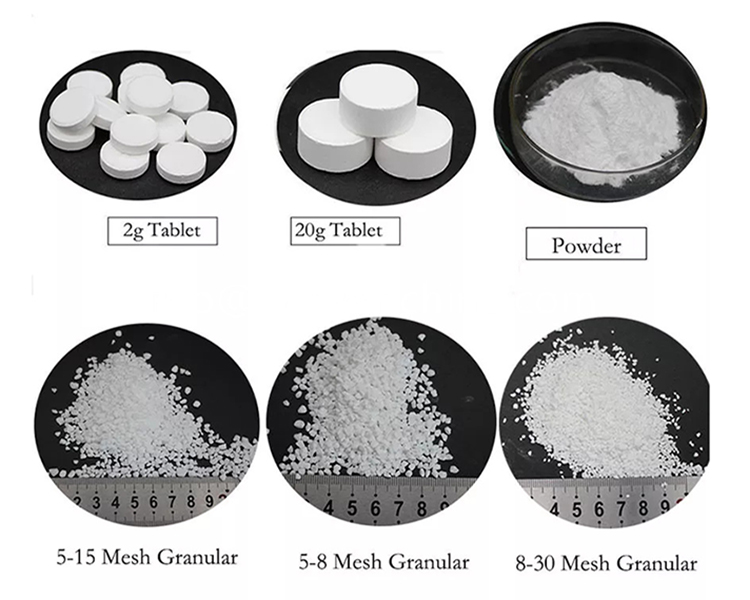
The white crystalline powder or granular form of SDIC makes handling straightforward for large-scale operations. Unlike liquid chlorine solutions that degrade quickly, SDIC tablets or powder maintain potency for extended periods when properly stored. This characteristic proves invaluable for enterprises managing multiple pond sites where consistent chemical quality matters.
The compound works through hypochlorous acid release upon dissolution. This powerful oxidizing agent breaks down organic contaminants, eliminates pathogens, and controls algae growth without leaving harmful residues when used at recommended dosages.
Key Benefits for Pond Management
Disease Prevention and Control
Disease represents the single largest risk factor in aquaculture profitability. I have consulted farms that lost over forty percent of their stock to bacterial infections that proper SDIC treatment could have prevented. Regular disinfection protocols using SDIC create protective barriers against common aquaculture pathogens including Vibrio species, Aeromonas, and various viral agents.
Enterprise-level operations benefit particularly from SDIC’s consistency. When you purchase wholesale quantities from reliable suppliers, you ensure uniform chlorine content across all treatment applications. This uniformity translates to predictable results and reduced risk of under or over-dosing.
Water Quality Optimization
Beyond pathogen control, SDIC contributes to overall water quality management. The compound oxidizes organic waste, reduces ammonia levels, and controls excessive algae growth. These improvements create healthier environments for aquatic species, supporting better feed conversion ratios and faster growth rates.
In my work with shrimp farming operations, I have observed that ponds treated with appropriate SDIC protocols show clearer water, reduced sludge accumulation, and more stable pH levels. These conditions directly correlate with improved survival rates and harvest quality.
Cost-Effectiveness at Scale
Wholesale SDIC procurement offers significant economic advantages for enterprise operations. Bulk purchasing reduces per-unit costs dramatically compared to retail chemical purchases. Additionally, SDIC’s high effective chlorine content means smaller quantities achieve desired disinfection results, further reducing overall chemical expenditure.
Consider this perspective: a typical aquaculture pond requires periodic disinfection throughout the production cycle. When managing multiple ponds across seasons, the cumulative savings from wholesale SDIC purchasing can reach thousands of dollars annually. These savings directly improve profit margins in an industry where margins often remain tight.
Application Guidelines and Dosage Recommendations
Standard Dosage Protocols
Based on industry best practices and my field experience, SDIC application rates vary depending on treatment objectives:
Preventive Treatment: 0.3 to 0.5 ppm effective chlorine concentration applied every 10-15 days during normal production cycles.
Therapeutic Treatment: 0.8 to 1.2 ppm effective chlorine concentration for active disease management, typically applied for 2-3 consecutive days.
Pond Preparation: 3 to 5 ppm effective chlorine concentration for complete pond sterilization between production cycles.
These guidelines serve as starting points. Actual dosages should account for water temperature, organic load, pH levels, and specific species sensitivity. I always recommend conducting small-scale trials before implementing full-pond treatments.
Safety Considerations
While SDIC offers excellent safety profiles when used correctly, proper handling protocols remain essential. Always wear appropriate personal protective equipment including gloves, masks, and eye protection during chemical handling. Store SDIC away from flammable materials, organic compounds, and nitrogen-containing substances that could create hazardous reactions.
Never mix SDIC with other chemicals unless specifically directed by qualified professionals. Improper chemical combinations can generate toxic gases or reduce treatment effectiveness.
Timing and Frequency
Strategic timing maximizes SDIC effectiveness while minimizing stress on aquatic species. Early morning applications typically work best, allowing full daylight hours for chlorine dissipation before evening oxygen levels naturally decline. Avoid treatment during extreme weather conditions, spawning periods, or when animals show signs of stress.
Enterprise operations should develop standardized treatment calendars that coordinate SDIC applications with feeding schedules, water exchange protocols, and harvest timelines. This systematic approach ensures consistent protection without disrupting normal operations.
Enterprise-Level Health Management Strategies
Integrated Pond Management
Successful aquaculture enterprises treat pond health as an integrated system rather than addressing issues reactively. SDIC fits within broader management frameworks that include water quality monitoring, nutrition optimization, and biosecurity protocols.
I recommend developing written standard operating procedures that specify SDIC application protocols for different scenarios. Document dosages, application methods, observation periods, and follow-up actions. This documentation supports staff training, regulatory compliance, and continuous improvement efforts.
Monitoring and Record Keeping
Effective enterprise management requires detailed records of all chemical applications. Track SDIC purchase dates, batch numbers, application dates, dosages, water parameters before and after treatment, and observed outcomes. These records prove invaluable for troubleshooting issues, optimizing protocols, and demonstrating compliance during inspections.
Modern aquaculture operations increasingly use digital monitoring systems that integrate chemical application data with water quality sensors and production metrics. This integration enables data-driven decision making and early warning systems for potential problems.
Supplier Selection Criteria
Choosing the right wholesale SDIC supplier significantly impacts operational success. Evaluate potential suppliers based on:
- Consistent product quality and effective chlorine content verification
- Reliable delivery schedules and adequate inventory levels
- Technical support availability and application guidance
- Competitive pricing structures for bulk purchases
- Regulatory compliance documentation and safety data sheets
Establish relationships with multiple qualified suppliers to ensure continuity of supply during peak seasons or unexpected disruptions.
Why Choose Wholesale SDIC for Your Operation
The aquaculture industry continues evolving toward more professional, science-based management approaches. Wholesale SDIC procurement aligns perfectly with this trend, offering enterprise operations the chemical reliability, cost efficiency, and technical support necessary for sustainable profitability.
From my perspective working with aquaculture businesses worldwide, the operators who succeed long-term treat water quality management as a core competency rather than an afterthought. Investing in quality disinfection chemicals like SDIC, applied according to sound protocols, represents one of the highest-return investments available to pond-based aquaculture enterprises.
The path forward requires commitment to best practices, continuous learning, and partnerships with knowledgeable suppliers. SDIC provides the foundation; your management expertise builds the success.
Frequently Asked Questions
Q1: How long does SDIC remain effective in pond water?
A: SDIC typically maintains disinfecting activity for 24-48 hours depending on water temperature, organic load, and sunlight exposure. Higher temperatures and heavy organic content accelerate chlorine dissipation.
Q2: Can SDIC be used with all aquaculture species?
A: SDIC works with most fish and shrimp species when applied at appropriate dosages. However, some species show greater sensitivity. Always verify species-specific tolerance levels before full-scale application.
Q3: What storage conditions does SDIC require?
A: Store SDIC in cool, dry, well-ventilated areas away from direct sunlight, heat sources, and incompatible materials. Properly stored product maintains potency for 12-24 months from manufacture date.
Q4: How do I calculate the correct SDIC dosage for my pond?
A: Calculate based on pond water volume and target effective chlorine concentration. Consider water quality parameters and consult technical guidelines for your specific application scenario.
Q5: Is wholesale SDIC more cost-effective than retail purchases?
A: Yes, wholesale purchasing typically reduces per-unit costs by 30-50% compared to retail quantities. Additional savings come from reduced shipping costs per unit and consistent supply availability.
Q6: What documentation should I request from SDIC suppliers?
A: Request certificates of analysis, safety data sheets, regulatory compliance documentation, and batch-specific effective chlorine content verification for quality assurance.
Author: Marcus Chen
Note: For detailed product specifications and enterprise pricing inquiries, please visit our contact page to connect with our technical team. https://envochemical.com/contact-us/
