
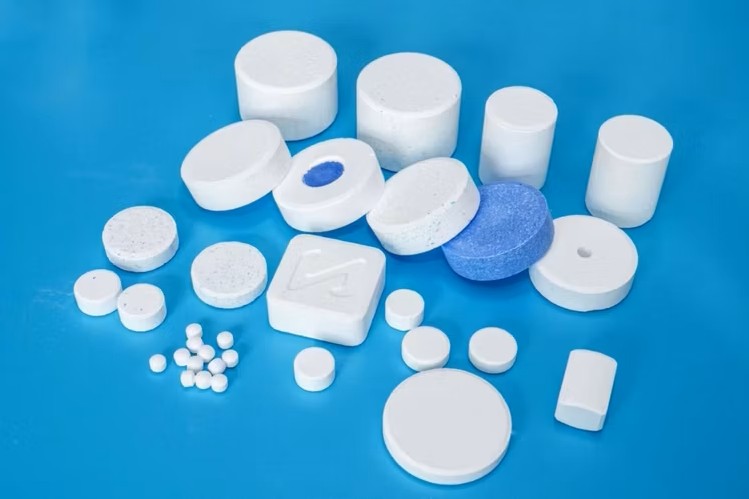
Bulk SDIC for Livestock Farms: Supplies Safe Farm Chlorine Breeding
Author: Dr. Marcus Richardson
Introduction: The Hidden Challenge Every Livestock Operator Faces
After twenty-three years in the water treatment chemical industry, I’ve witnessed countless farm operators struggle with a problem they rarely discuss openly: maintaining biosecurity without breaking the bank or compromising animal health. The truth is, disease outbreaks don’t announce themselves—they creep in through contaminated water, poorly disinfected equipment, and overlooked sanitation gaps.
If you’re managing a poultry house, swine facility, or cattle operation, you understand the stakes. One contamination event can wipe out months of investment overnight. That’s precisely why bulk SDIC (Sodium Dichloroisocyanurate) has become the cornerstone of modern farm disinfection protocols across progressive livestock operations worldwide.
This isn’t just another chemical sales pitch. Consider this your practical guide to understanding why farm chlorine breeding programs built around SDIC bulk supplies are transforming how serious agricultural businesses approach water treatment and disease prevention.
What Exactly Is SDIC and Why Does It Matter for Your Farm?
The Chemistry Behind Effective Farm Disinfection
Sodium Dichloroisocyanurate, commonly abbreviated as SDIC, represents a class of chlorinated isocyanurate compounds that deliver consistent, reliable disinfection power. In its purest commercial form, this white crystalline powder contains approximately 60% available chlorine—a concentration that makes it exceptionally effective against bacteria, viruses, fungi, and algae.
What sets SDIC for livestock farms apart from traditional chlorine sources? Stability. Unlike liquid bleach that degrades rapidly under heat and sunlight, bulk sodium dichloroisocyanurate maintains its potency for extended periods when stored properly. This characteristic alone translates to reduced waste, predictable performance, and lower total cost of ownership for farm operators purchasing in volume.
The Biosecurity Advantage
Modern livestock farm water treatment demands more than basic sanitation. Your animals drink thousands of liters daily. That water passes through pipes, tanks, and drinking systems where biofilm accumulates silently. SDIC disinfection penetrates these hidden reservoirs, breaking down organic matter and eliminating pathogens before they reach your animals.
I’ve consulted with operations that switched from generic chlorine tablets to bulk SDIC supplies and reported measurable improvements within weeks: reduced mortality rates, decreased medication costs, and noticeably healthier stock. The correlation isn’t coincidental—it’s chemistry working as intended.
Critical Applications of SDIC in Livestock Operations
Poultry Farm Water Sanitation
Poultry operations face unique challenges. Dense populations, rapid turnover, and sensitive respiratory systems make chickens particularly vulnerable to waterborne pathogens. SDIC for poultry farms provides broad-spectrum protection against Salmonella, E. coli, and Newcastle disease vectors.
The application protocol is straightforward: dissolve the appropriate SDIC dosage into your water supply system, maintaining residual chlorine levels between 3-5 ppm during routine sanitation cycles. During outbreak containment, concentrations may increase temporarily under veterinary guidance. Many large-scale integrators now mandate bulk SDIC purchasing as part of their standard biosecurity protocols.
Swine Facility Disinfection Programs
Swine operations benefit tremendously from consistent farm chlorine breeding strategies. Piglets are especially susceptible to digestive and respiratory infections that spread through contaminated water lines. Sodium dichloroisocyanurate bulk applications allow facility managers to treat drinking water, clean farrowing crates, and sanitize transport vehicles with a single versatile product.
One Midwest operation I advised reduced pre-weaning mortality by 18% after implementing a structured SDIC water treatment regimen. The return on investment covered their annual bulk chemical supply costs within the first quarter.
Cattle Ranch Water Treatment Solutions
Cattle operations present different scaling challenges. Large water troughs, extensive piping networks, and outdoor exposure create multiple contamination points. Bulk SDIC for cattle farms offers the concentration flexibility needed to treat varying water volumes efficiently.
Ranchers particularly appreciate the extended shelf life. Unlike liquid alternatives that lose potency within months, properly stored SDIC bulk supplies remain effective for two years or more. This characteristic reduces emergency reorder frequency and provides peace of mind during remote grazing seasons.
Economic Considerations: Why Bulk Purchasing Makes Sense
Cost Per Treatment Comparison
Let’s address the question every procurement manager asks: “What’s the real cost?” When you calculate SDIC bulk price against smaller retail packages, the savings become compelling. Purchasing sodium dichloroisocyanurate in bulk quantities typically reduces per-kilogram costs by 35-50% compared to consumer-grade alternatives.
Consider a medium-sized poultry operation treating 50,000 liters daily. Retail chlorine tablets might cost $0.15 per treatment liter. Bulk SDIC brings that figure down to approximately $0.07. Over a production cycle, those savings compound significantly—often funding other critical infrastructure improvements.
Supply Chain Reliability
Beyond direct cost savings, bulk SDIC suppliers offer something equally valuable: consistency. When you establish a relationship with a reputable chemical bulk supplier, you secure predictable delivery schedules, technical support, and product traceability. These factors matter enormously when your operation’s biosecurity depends on uninterrupted supply.
I’ve seen too many farms experience disruption because they relied on spot-market purchases during peak disease seasons. Smart operators lock in bulk chemical contracts before crisis periods, ensuring availability when competitors face shortages.
Safety and Handling: Protecting Your Team While Protecting Your Stock
Proper Storage Protocols
SDIC safety begins with correct storage. This compound should remain in original sealed containers, positioned in cool, dry areas away from direct sunlight and incompatible materials. Never store sodium dichloroisocyanurate near ammonia, acids, or organic matter—unwanted reactions can release hazardous gases.
Most bulk SDIC suppliers provide detailed Material Safety Data Sheets (MSDS) with shipment. Review these documents with your handling team. Proper training prevents accidents and ensures regulatory compliance during inspections.
Application Best Practices
When preparing SDIC solutions, always add chemical to water—not water to chemical. This simple practice minimizes splashing and ensures proper dissolution. Personnel should wear appropriate PPE: chemical-resistant gloves, eye protection, and respiratory masks when handling concentrated powder.
For livestock farm disinfection, timing matters. Treat water systems during low-activity periods when animals aren’t actively drinking. This approach maximizes contact time while minimizing stress on your stock.
Environmental Responsibility and Regulatory Compliance
Modern agriculture operates under increasing scrutiny. SDIC environmental impact remains relatively low when used according to label directions. The compound breaks down into harmless byproducts: salt, carbon dioxide, and nitrogen. Unlike some alternative disinfectants, sodium dichloroisocyanurate doesn’t accumulate in soil or groundwater when applied properly.
However, responsible operators document everything. Maintain records of SDIC dosage rates, application dates, and water testing results. These documents demonstrate due diligence during regulatory audits and support organic certification programs where chlorine-based sanitizers remain permitted.
Frequently Asked Questions (FAQ)
Q1: What is the typical shelf life of bulk SDIC?
When stored in sealed containers under recommended conditions (cool, dry, away from sunlight), bulk sodium dichloroisocyanurate maintains potency for 24-36 months. Always test chlorine concentration before use if product has been stored beyond one year.
Q2: Can SDIC be used in organic livestock operations?
Regulations vary by certification body and region. Many organic standards permit chlorine-based disinfectants for water treatment and facility sanitation, provided residual levels don’t exceed specified limits. Consult your certifier before implementing SDIC farm programs.
Q3: How do I determine the correct SDIC dosage for my operation?
Dosage depends on water volume, contamination level, and application purpose. Routine water sanitation typically requires 3-5 ppm available chlorine. Heavy disinfection cycles may need 10-20 ppm. Water testing kits provide accurate measurements. Reputable bulk SDIC suppliers offer technical guidance specific to your operation type.
Q4: Is SDIC safe for animals when used correctly?
Yes. SDIC for livestock farms is safe when applied according to established protocols. The compound breaks down rapidly in water, leaving minimal residual chlorine. Animals can drink treated water once chlorine levels return to acceptable ranges (typically below 4 ppm for continuous consumption).
Q5: What distinguishes food-grade SDIC from industrial grades?
Food-grade sodium dichloroisocyanurate meets stricter purity standards with lower heavy metal content. For livestock water treatment, food-grade or equivalent agricultural-grade product is recommended. Verify specifications with your chemical bulk supplier before purchasing.
Q6: How quickly does SDIC work against common farm pathogens?
Contact time varies by pathogen and concentration. Most bacteria are eliminated within 10-30 minutes at proper dosages. Viruses and resilient spores may require extended exposure. Always follow veterinary recommendations during disease outbreak containment.
Making the Decision: Your Next Steps
Implementing a bulk SDIC program isn’t merely a purchasing decision—it’s a commitment to operational excellence. The farms I’ve worked with that prioritize consistent, science-backed disinfection protocols consistently outperform those relying on reactive measures.
Evaluate your current water treatment approach. Calculate your actual chemical costs including waste, storage losses, and emergency premiums. Then compare those figures against a structured bulk SDIC supply arrangement with reliable technical support.
Your animals deserve protection built on proven chemistry. Your business deserves the predictability that comes from professional-grade farm chlorine breeding programs. And your peace of mind? That’s priceless—but it starts with the right partners and the right products.
Ready to discuss your specific bulk SDIC requirements? Our technical team understands livestock operations from the ground up. We don’t just sell chemicals—we help you build sustainable biosecurity systems that protect your investment and support your growth.
Learn more about our agricultural water treatment solutions
Author: Dr. Marcus Richardson
Water Treatment Chemical Specialist | 23 Years Industry Experience | Agricultural Biosecurity Consultant
