
SDIC Exporters for Municipal Plants: Plant Water Treatment Operator Favorites
Introduction
In the rapidly evolving landscape of municipal water treatment, plant operators continuously seek reliable, efficient, and cost-effective disinfection solutions. Among the various chemical options available, Sodium Dichloroisocyanurate (SDIC) has emerged as a preferred choice for water treatment professionals worldwide. This comprehensive guide explores why SDIC exporters have become essential partners for municipal plants and what makes this compound a favorite among plant water treatment operators.
As global demand for clean water continues to rise, municipal facilities face increasing pressure to maintain stringent water quality standards while managing operational costs. Understanding the role of SDIC in modern water treatment processes can help operators make informed decisions that benefit both their facilities and the communities they serve.
Understanding SDIC: The Science Behind Effective Disinfection
What is Sodium Dichloroisocyanurate?
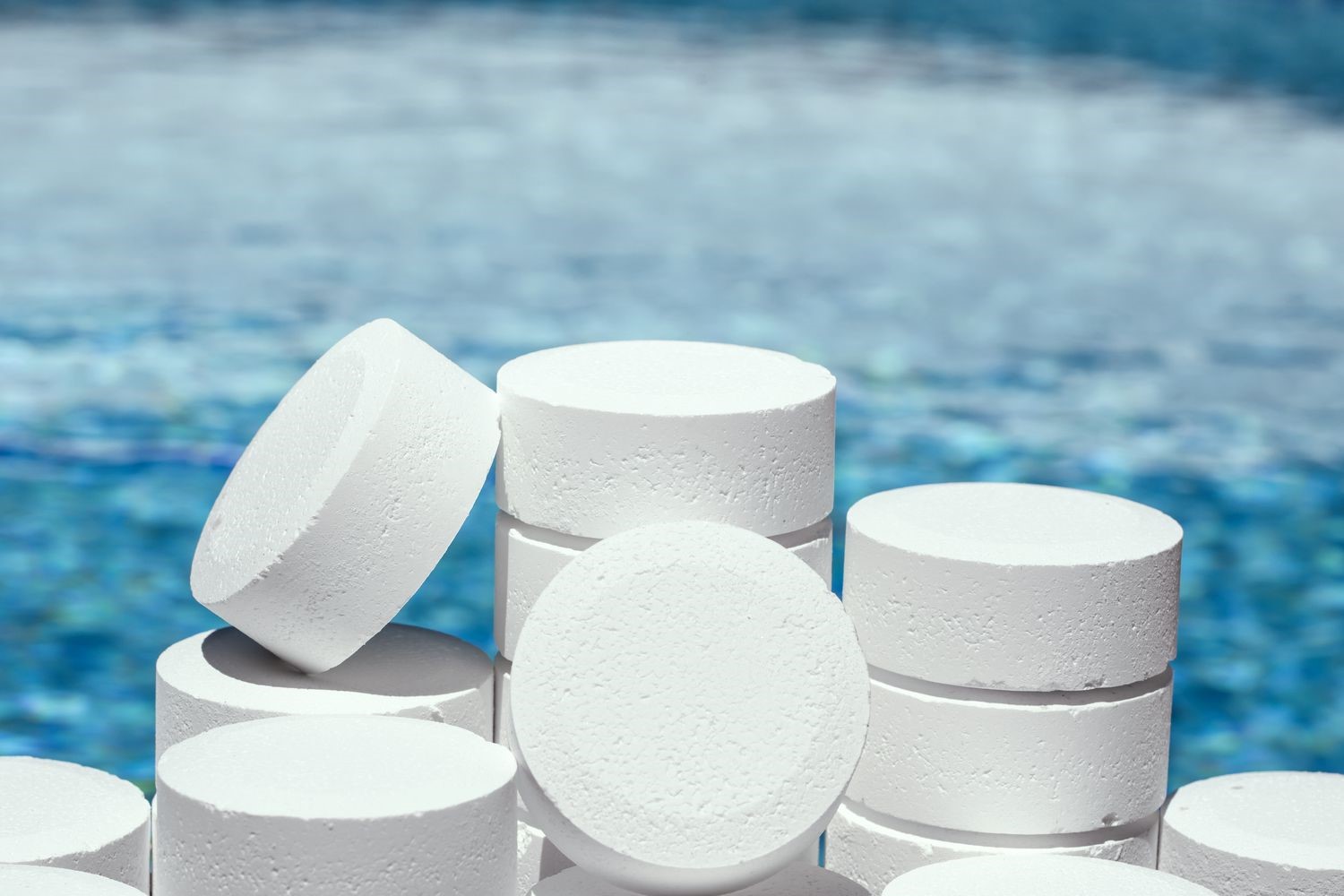
Sodium Dichloroisocyanurate, commonly known as SDIC or NaDCC, is an organic compound with the chemical formula C₃Cl₂N₃NaO₃. This white crystalline powder serves as a powerful oxidizing agent and disinfectant, releasing chlorine gradually when dissolved in water. The active chlorine content typically ranges between 54-60%, making it highly effective for various water treatment applications.
Key Chemical Properties
SDIC offers several advantageous properties that distinguish it from traditional chlorine-based disinfectants:
- Stability: SDIC maintains its effectiveness during storage, with minimal degradation over extended periods
- Solubility: The compound dissolves readily in water, facilitating easy application in treatment systems
- pH Range: Effective across a broad pH spectrum (5.5-7.0 for 1% solution), accommodating various water conditions
- Controlled Release: Provides sustained chlorine release, ensuring consistent disinfection over time
Why Municipal Plants Choose SDIC Exporters
Reliability and Supply Chain Consistency
Municipal water treatment facilities cannot afford interruptions in their disinfection supply chain. Reputable SDIC exporters understand this critical need and maintain robust inventory management systems. Leading exporters typically offer:
- Guaranteed supply agreements with flexible delivery schedules
- Multiple production facilities to prevent supply disruptions
- Quality certification documentation for regulatory compliance
- Emergency supply protocols for unexpected demand spikes
Cost-Effectiveness for Large-Scale Operations
When evaluating disinfection options, municipal operators must consider total cost of ownership rather than just purchase price. SDIC presents compelling economic advantages:
- Lower Transportation Costs: Higher active chlorine content means less product volume required
- Reduced Storage Requirements: Compact formulation minimizes facility space needs
- Extended Shelf Life: Reduced product waste from degradation
- Simplified Handling: Lower frequency of chemical deliveries reduces operational overhead
Technical Support and Expertise
Quality SDIC exporters provide more than just products—they offer comprehensive technical partnerships. This includes:
- Application rate calculations specific to facility requirements
- Water quality analysis support
- Staff training on safe handling procedures
- Troubleshooting assistance for treatment challenges
- Regulatory compliance guidance
Application Guidelines for Plant Water Treatment Operators
Dosage Determination
Proper dosing is crucial for effective disinfection while avoiding over-treatment. Operators should consider:
- Source water quality parameters (turbidity, organic content, pH)
- Required contact time for pathogen inactivation
- Distribution system characteristics
- Seasonal variations in water quality
Typical dosage ranges from 1-5 mg/L depending on specific conditions, though pilot testing is recommended for new applications.
Safety and Handling Protocols
SDIC, while effective, requires proper handling procedures to ensure operator safety:
- Store in cool, dry, well-ventilated areas away from incompatible materials
- Use appropriate personal protective equipment (PPE) during handling
- Implement spill containment and cleanup procedures
- Maintain Material Safety Data Sheets (MSDS) accessible to all staff
- Conduct regular safety training sessions
Integration with Existing Treatment Systems
One of SDIC’s advantages is its compatibility with various treatment configurations:
- Direct Feed Systems: Can be introduced through standard chemical feed pumps
- Batch Treatment: Suitable for reservoir or tank disinfection applications
- Emergency Response: Rapid deployment capability for contamination events
- Supplemental Disinfection: Works alongside primary treatment processes
Quality Considerations When Selecting SDIC Exporters
Certification and Compliance
Municipal facilities must ensure their chemical suppliers meet regulatory requirements. Key certifications to verify include:
- ISO 9001 Quality Management certification
- NSF/ANSI Standard 60 certification for drinking water treatment chemicals
- REACH compliance for European markets
- Local environmental agency approvals
Product Consistency
Variations in SDIC quality can significantly impact treatment effectiveness. Operators should request:
- Certificate of Analysis (CoA) for each batch
- Active chlorine content verification
- Moisture content specifications (typically 8-15%)
- Particle size distribution data
- Stability testing results
Exporter Track Record
Experience matters when selecting long-term suppliers. Evaluate potential exporters based on:
- Years in business serving municipal clients
- Reference facilities with similar capacity and requirements
- Export history to your geographic region
- Financial stability and business continuity planning
- Customer service responsiveness
Environmental and Regulatory Considerations
Discharge Compliance
Municipal operators must ensure SDIC use aligns with discharge permits and environmental regulations. Key considerations include:
- Total residual chlorine limits in effluent
- Formation of disinfection byproducts (DBPs)
- Impact on aquatic ecosystems
- Monitoring and reporting requirements
Sustainability Initiatives
Modern water treatment facilities increasingly prioritize sustainability. SDIC contributes to green initiatives through:
- Reduced packaging waste compared to liquid chlorine
- Lower carbon footprint from transportation efficiency
- Minimal hazardous waste generation
- Energy-efficient application processes
Frequently Asked Questions (FAQ)
Q1: How does SDIC compare to liquid chlorine for municipal applications?
A: SDIC offers several advantages over liquid chlorine, including longer shelf life (up to 2 years vs. months for liquid), easier transportation and storage, reduced safety risks, and more stable chlorine concentration. However, liquid chlorine may be preferable for very large facilities with on-site generation capabilities.
Q2: What is the typical shelf life of SDIC products?
A: Properly stored SDIC maintains effectiveness for 18-24 months. Storage conditions significantly impact longevity—products should be kept in original packaging, in cool (below 25°C), dry environments away from direct sunlight and moisture.
Q3: Can SDIC be used for drinking water disinfection?
A: Yes, SDIC is approved for drinking water treatment in many countries when products meet relevant standards (such as NSF/ANSI 60). However, operators must verify local regulatory approval and ensure proper dosing to maintain residual chlorine within acceptable limits.
Q4: How do I calculate the correct SDIC dosage for my facility?
A: Dosage depends on multiple factors including water quality, flow rate, contact time, and disinfection goals. Start with manufacturer recommendations (typically 1-5 mg/L), conduct jar testing, and adjust based on residual chlorine measurements. Consulting with your SDIC exporter’s technical team is recommended for optimal results.
Q5: What documentation should I request from SDIC exporters?
A: Essential documentation includes Certificate of Analysis, Material Safety Data Sheet, regulatory compliance certificates, batch traceability information, and quality assurance documentation. For international shipments, also request customs documentation and shipping certificates.
Q6: Are there any compatibility issues with other treatment chemicals?
A: SDIC should not be mixed with acids, ammonia, or reducing agents as dangerous reactions may occur. When used alongside coagulants or flocculants, ensure proper sequencing and contact time between chemical additions. Always consult technical specifications before combining treatment chemicals.
Conclusion
Selecting the right SDIC exporter represents a strategic decision that impacts municipal plant operations, water quality, and regulatory compliance for years to come. Plant water treatment operators who partner with experienced, reliable exporters gain access to consistent product quality, technical expertise, and supply chain security that ultimately translates to better service for their communities.
As water treatment challenges continue to evolve, SDIC remains a proven, versatile solution that balances effectiveness, safety, and economic considerations. By understanding the factors outlined in this guide, operators can make informed decisions that optimize their disinfection processes while maintaining the highest standards of water quality and public health protection.
For facilities evaluating SDIC options or seeking to optimize their current disinfection programs, engaging with qualified exporters early in the decision-making process ensures access to the latest product innovations, technical support, and competitive pricing structures tailored to municipal-scale operations.
