
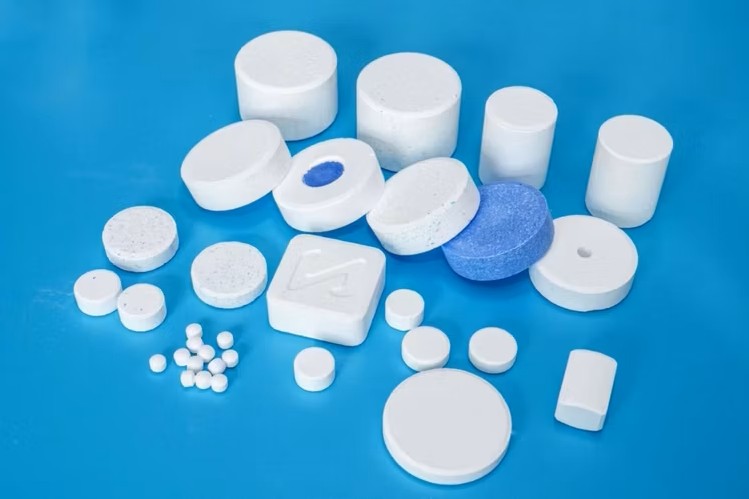
Calcium Hypochlorite for Pharma Factories: Compliance Water Pure Lab
Author: Dr. Marcus Thornfield
Introduction
In the pharmaceutical industry, water quality isn’t just a operational concern—it’s a regulatory imperative. Every drop that touches your production lines must meet stringent purity standards, and that’s where calcium hypochlorite becomes an indispensable ally. Having spent over fifteen years consulting with pharmaceutical facilities across three continents, I’ve witnessed firsthand how the right disinfection strategy can make or break compliance audits.
Today, I want to share insights that go beyond textbook specifications. This article addresses real-world challenges pharmaceutical manufacturers face when selecting water treatment chemicals, specifically focusing on calcium hypochlorite applications in compliance-driven environments.
Why Calcium Hypochlorite Matters in Pharmaceutical Water Systems
The Regulatory Landscape
Pharmaceutical water systems operate under intense scrutiny. Whether you’re complying with FDA 21 CFR, EU GMP Annex 1, or WHO guidelines, microbial control remains non-negotiable. Calcium hypochlorite offers several distinct advantages that align perfectly with these requirements:
- Consistent chlorine residual maintenance throughout distribution loops
- Effective biofilm disruption in stainless steel piping networks
- Cost-efficient dosing compared to alternative disinfectants
- Long shelf stability when stored under proper conditions
I recall working with a mid-sized generic manufacturer in Southeast Asia who struggled with recurring microbial excursions. After switching to pharmaceutical-grade calcium hypochlorite with verified heavy metal specifications, their water system passed three consecutive audits without a single observation related to disinfection efficacy.
Purity Specifications That Actually Matter
Not all calcium hypochlorite products are created equal. For pharmaceutical applications, you need material that meets specific purity thresholds:
| Parameter | Pharmaceutical Grade Requirement |
|---|---|
| Available Chlorine | 65-70% minimum |
| Heavy Metals | <10 ppm total |
| Insoluble Matter | <0.5% |
| Moisture Content | <5% |
These aren’t arbitrary numbers. They’re derived from years of industry practice and regulatory expectations. When I review supplier certificates of analysis, these are the first parameters I examine.
Implementation Strategies for Compliance-Driven Facilities
Dosing Protocol Optimization
One common misconception I encounter is that more chlorine equals better protection. This approach often backfires, leading to corrosion issues and potential extractable concerns. Here’s what I recommend based on actual facility performance data:
For WFI Pretreatment Systems:
- Maintain 0.5-1.0 ppm free chlorine residual
- Monitor ORP values continuously
- Implement automatic dosing with fail-safe mechanisms
For Purified Water Distribution:
- Use periodic shock dosing (5-10 ppm) during maintenance windows
- Follow with thorough flushing and verification testing
- Document all procedures for audit trail purposes
Storage and Handling Best Practices
Calcium hypochlorite demands respect. Improper storage can degrade product quality and create safety hazards. Based on my observations across dozens of facilities, here are the critical control points:
- Temperature Control: Keep storage areas below 30°C with adequate ventilation
- Moisture Exclusion: Use sealed containers with desiccant protection
- Segregation: Never store near organic materials or reducing agents
- First-In-First-Out: Implement rotation systems to prevent aged product usage
I once investigated a facility where chlorine efficacy dropped by 40% over six months. The root cause? Storage drums positioned directly beneath steam lines, causing gradual thermal degradation. Simple fixes often yield the biggest improvements.
Quality Verification and Documentation
Supplier Qualification Process
Your water treatment chemical supplier should undergo the same rigorous qualification as raw material vendors. Here’s my checklist:
- GMP-compatible manufacturing facility with appropriate certifications
- Batch-specific COAs with traceability to raw materials
- Stability data supporting claimed shelf life
- Change control procedures for any formulation modifications
Don’t hesitate to request audit access. Reputable suppliers welcome this transparency. I’ve turned away otherwise qualified vendors simply because they refused to disclose their manufacturing controls.
In-House Testing Requirements
Even with qualified suppliers, incoming verification remains essential. Establish these minimum testing protocols:
- Available chlorine titration on every batch
- Quarterly heavy metal screening
- Annual third-party validation testing
- Retain samples for the product’s entire shelf life plus one year
This approach has protected my clients during regulatory inspections more times than I can count. Documentation speaks louder than assurances.
Common Pitfalls and How to Avoid Them
Cross-Contamination Risks
Pharmaceutical facilities sometimes use the same calcium hypochlorite for multiple applications—equipment sanitization, water treatment, and general facility disinfection. This creates unnecessary cross-contamination risks. My recommendation: dedicate specific batches exclusively for water system use with clear labeling and segregated storage.
Compatibility Concerns
Calcium hypochlorite doesn’t play well with everything. Before introducing it into your system, verify compatibility with:
- Construction materials (especially elastomers and gaskets)
- Existing treatment chemicals
- Analytical testing reagents
I’ve seen expensive membrane damage occur because someone didn’t check chlorine compatibility with RO system components. A fifteen-minute conversation with your equipment vendor could prevent six-figure repairs.
Record-Keeping Gaps
Regulatory inspectors love tracing chemical usage back to specific water quality results. Ensure your documentation links:
- Batch numbers to dosing logs
- Dosing records to water testing results
- Deviations to corrective actions
This traceability demonstrates control—and control is what auditors want to see.
FAQ Section
Q: How often should calcium hypochlorite solutions be prepared fresh?
A: For critical pharmaceutical applications, I recommend preparing solutions no more than 7 days before use. Chlorine degradation accelerates in diluted forms, and potency loss can compromise disinfection efficacy. Store concentrated stock solutions in opaque, vented containers away from direct sunlight.
Q: Can calcium hypochlorite be used in WFI systems directly?
A: No. Calcium hypochlorite is suitable for pretreatment and purified water systems only. WFI systems require chemical-free final purification stages. Use it upstream of distillation or RO units, ensuring complete removal before the final purification step.
Q: What’s the typical shelf life of pharmaceutical-grade calcium hypochlorite?
A: Under proper storage conditions, expect 24-36 months from manufacture date. However, I advise testing available chlorine content quarterly after the 18-month mark. If potency drops below 90% of labeled value, consider replacement regardless of expiration date.
Q: How do we validate chlorine removal before sensitive processing steps?
A: Implement multi-barrier removal: activated carbon filtration followed by UV treatment, with online chlorine analyzers providing real-time verification. Document removal efficiency during system qualification and revalidate annually.
Q: Are there alternatives worth considering?
A: Sodium hypochlorite offers easier handling but shorter shelf life. Chlorine dioxide provides better biofilm penetration but requires on-site generation. Each option has trade-offs. I typically recommend calcium hypochlorite for facilities prioritizing stability and cost-effectiveness without compromising purity requirements.
Final Thoughts
Selecting the right water treatment chemical isn’t about finding the cheapest option—it’s about finding the right partner for your compliance journey. Calcium hypochlorite, when sourced and applied correctly, delivers reliable performance that stands up to regulatory scrutiny.
Your water system deserves the same quality focus as your active pharmaceutical ingredients. After all, compromised water quality can compromise everything that follows. Make informed decisions, document thoroughly, and never hesitate to challenge suppliers on specifications that matter.
Ready to evaluate your water treatment chemical strategy? Reach out to discuss your specific requirements and compliance objectives.
About the Author: Dr. Marcus Thornfield has consulted with over 200 pharmaceutical manufacturing facilities worldwide on water system compliance and disinfection strategies. He holds advanced certifications in pharmaceutical water systems and regularly contributes to industry guidance documents.
