
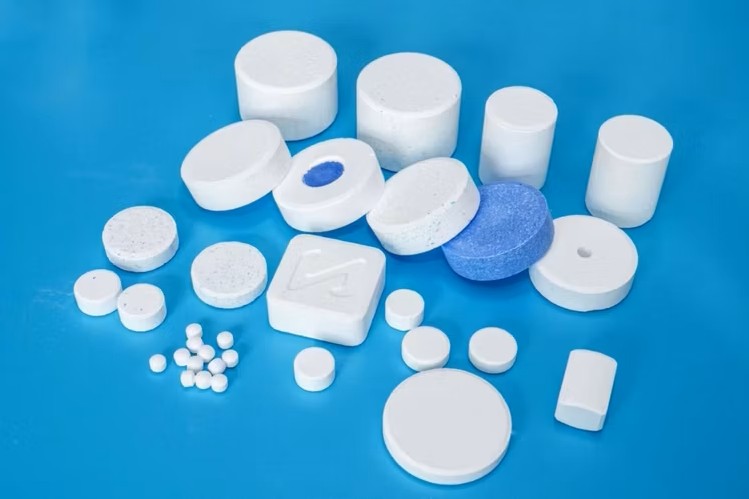
SDIC Manufacturers for Chemical Importers: Guide Trade B2B Sourcing
Introduction
In the global chemical trade landscape, Sodium Dichloroisocyanurate (SDIC) has emerged as one of the most sought-after disinfectant compounds for water treatment, sanitation, and industrial applications. For chemical importers seeking reliable supply chains, identifying trustworthy SDIC manufacturers represents a critical business decision that impacts product quality, regulatory compliance, and overall profitability.
This comprehensive guide explores the essential aspects of B2B sourcing for SDIC, providing chemical importers with actionable insights to navigate the manufacturer selection process effectively. Whether you are an established distributor or entering the chemical import market, understanding the dynamics of SDIC trade will position your business for sustainable growth.
Understanding SDIC: Product Overview and Market Demand
What Is Sodium Dichloroisocyanurate?
Sodium Dichloroisocyanurate, commonly abbreviated as SDIC, is an organic chlorine-based disinfectant with the chemical formula C₃Cl₂N₃NaO₃ and CAS number 2893-78-9. This white crystalline powder or granular compound offers broad-spectrum antimicrobial properties, making it indispensable across multiple industries.
Key characteristics include:
- Active chlorine content: Typically 56% to 60%
- Solubility: Highly soluble in water (25g/100g at 25°C)
- pH range: 5.5 to 7.0 for 1% aqueous solution
- Stability: Superior shelf life compared to alternative chlorine compounds
Global Market Applications
The versatility of SDIC drives consistent demand across diverse sectors:
- Water Treatment: Municipal drinking water, swimming pools, and industrial cooling systems
- Healthcare Facilities: Hospital disinfection and sterilization protocols
- Food Processing: Equipment sanitation and surface treatment
- Agriculture: Livestock facility hygiene and crop protection
- Textile Industry: Bleaching and antimicrobial fabric treatment
Understanding these application areas helps importers identify target markets and tailor their sourcing strategies accordingly.
Key Considerations When Selecting SDIC Manufacturers
Manufacturing Capacity and Production Standards
Not all SDIC manufacturers operate at the same scale or quality level. Chemical importers must evaluate production capacity to ensure consistent supply during peak demand periods. Leading manufacturers typically maintain annual production capabilities exceeding 10,000 metric tons, with multiple production lines to mitigate disruption risks.
Ask potential suppliers about:
- Monthly and annual production volumes
- Quality control certifications (ISO 9001, ISO 14001)
- Batch testing protocols and documentation
- Emergency supply contingency plans
Regulatory Compliance and Certifications
International chemical trade requires strict adherence to regulatory frameworks. Reputable SDIC manufacturers should provide comprehensive documentation including:
- Safety Data Sheets (SDS): Updated according to GHS standards
- Certificate of Analysis (CoA): For each production batch
- Export Licenses: Valid for destination markets
- REACH Compliance: Essential for European Union imports
- EPA Registration: Required for United States distribution
Importers dealing with regulated markets must verify that manufacturers maintain current certifications specific to their target regions. Non-compliance can result in shipment seizures, fines, or market access restrictions.
Quality Assurance and Testing Protocols
Product consistency directly impacts customer satisfaction and repeat business. Leading SDIC manufacturers implement rigorous quality assurance programs throughout the production cycle. Key testing parameters include:
- Active chlorine content verification
- Moisture level analysis
- Particle size distribution
- Heavy metal contamination screening
- Stability testing under various storage conditions
Request sample testing before committing to large-volume orders. This practice validates manufacturer claims and establishes baseline quality expectations for ongoing partnerships.
B2B Sourcing Strategies for Chemical Importers
Direct Manufacturer Engagement vs. Trading Companies
Chemical importers face a fundamental decision: source directly from manufacturers or work through trading intermediaries. Each approach offers distinct advantages:
Direct Manufacturer Sourcing:
- Lower unit costs through eliminated middleman margins
- Direct communication for technical specifications
- Greater transparency in production processes
- Potential for customized product formulations
Trading Company Partnerships:
- Consolidated sourcing from multiple manufacturers
- Reduced minimum order quantities
- Enhanced logistics coordination
- Local market expertise and relationships
For established importers with significant volume requirements, direct manufacturer relationships typically deliver better long-term value. New market entrants may benefit from trading company support during initial market penetration phases.
Negotiating Favorable Terms
Successful B2B chemical trade depends on mutually beneficial commercial agreements. Key negotiation points include:
- Pricing Structure: Volume-based discounts and long-term contract rates
- Payment Terms: Letter of credit, Telegraphic Transfer, or open account arrangements
- Delivery Schedules: Lead times and shipping frequency
- Quality Guarantees: Replacement policies for non-conforming products
- Force Majeure Clauses: Protection against unforeseen disruptions
Experienced importers recommend starting with smaller trial orders to establish trust before scaling to full container shipments. This approach minimizes financial risk while building supplier relationships.
Logistics and Supply Chain Management
SDIC requires careful handling during transportation due to its oxidizing properties. Importers must coordinate with manufacturers on:
- Proper packaging specifications (25kg drums, 50kg bags, or bulk containers)
- Hazardous material classification for shipping
- Storage requirements at destination ports
- Insurance coverage for transit risks
Working with manufacturers experienced in international exports streamlines customs clearance and reduces delivery delays.
Regional Manufacturing Landscape
China: The Global Production Hub
China dominates global SDIC manufacturing, accounting for approximately 70% of worldwide production capacity. Major production clusters exist in Shandong, Hebei, and Jiangsu provinces, offering competitive pricing and established export infrastructure.
Chinese manufacturers typically provide:
- Competitive FOB and CIF pricing
- Flexible packaging options
- Established shipping relationships
- English-speaking sales teams
However, importers should conduct thorough due diligence, including factory audits and reference checks, to verify manufacturer credentials.
Emerging Production Regions
Alternative sourcing destinations include India, Southeast Asia, and select European facilities. While often commanding premium prices, these regions may offer advantages for importers seeking:
- Reduced shipping distances to specific markets
- Diversified supply chain risk
- Specialized product grades
- Enhanced regulatory alignment
Building Long-Term Manufacturer Partnerships
Sustainable B2B chemical trade depends on relationship quality beyond transactional interactions. Importers should invest in:
- Regular Communication: Scheduled updates on market conditions and demand forecasts
- Site Visits: Periodic factory inspections to maintain oversight
- Joint Planning: Collaborative approaches to capacity planning and new product development
- Performance Reviews: Quarterly assessments of quality, delivery, and service metrics
These practices transform supplier relationships into strategic partnerships that withstand market volatility.
Frequently Asked Questions (FAQ)
Q1: What is the typical lead time for SDIC orders from manufacturers?
A: Standard lead times range from 15 to 30 days depending on order volume and manufacturer capacity. Rush orders may be accommodated with premium pricing. Importers should factor in additional time for shipping, customs clearance, and inland transportation.
Q2: What minimum order quantities do SDIC manufacturers require?
A: Minimum order quantities vary significantly. Large manufacturers typically require one full container load (20-25 metric tons), while smaller facilities may accept 5-10 metric tons. Trading companies often offer lower MOQs for market testing purposes.
Q3: How can I verify SDIC manufacturer credentials before placing orders?
A: Request business licenses, export certifications, and third-party audit reports. Conduct video factory tours or arrange in-person visits. Check references from existing international customers and verify certifications through issuing authorities.
Q4: What payment terms are standard in SDIC international trade?
A: Common arrangements include 30% deposit with 70% against copy of Bill of Lading, or Letter of Credit for first-time transactions. Established relationships may qualify for open account terms with 30-60 day payment windows.
Q5: How should SDIC be stored after import to maintain product quality?
A: Store in cool, dry, well-ventilated areas away from direct sunlight and moisture. Maintain temperatures below 30°C and relative humidity under 70%. Properly sealed containers can maintain quality for 12-24 months from production date.
Q6: What documentation is required for SDIC customs clearance?
A: Essential documents include Commercial Invoice, Packing List, Bill of Lading, Certificate of Analysis, Safety Data Sheet, and any destination-specific import permits. Some countries require additional chemical registration documentation.
Ready to establish reliable SDIC supply chains for your chemical import business? Partnering with verified manufacturers ensures consistent quality, competitive pricing, and dependable delivery schedules. Take the next step toward optimizing your B2B sourcing strategy.
