
Reliable TCCA for Livestock Farms: Care Health Animal Disinfectants
Introduction
In the modern agricultural landscape, maintaining optimal biosecurity standards has become paramount for livestock farm operators worldwide. Disease outbreaks can devastate entire herds, causing significant economic losses and compromising food safety. Trichloroisocyanuric Acid (TCCA) has emerged as a reliable, efficient, and cost-effective disinfectant solution for protecting animal health across poultry, cattle, swine, and other livestock operations. This comprehensive guide explores why TCCA stands out as the premier choice for professional farm disinfection protocols and how it can transform your biosecurity management strategy.
Understanding TCCA: The Science Behind Effective Disinfection
What Is Trichloroisocyanuric Acid?
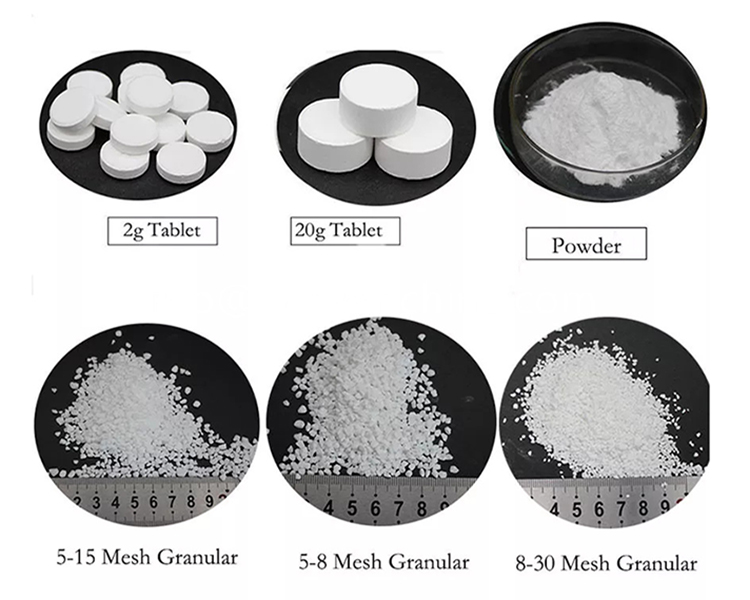
Trichloroisocyanuric Acid, commonly abbreviated as TCCA, is an organic compound with the chemical formula C₃Cl₃N₃O₃ and CAS number 87-90-1. This white crystalline powder functions as a powerful oxidizing agent and chlorinating compound, delivering broad-spectrum antimicrobial action. With a purity specification reaching 99%, TCCA provides consistent, reliable performance in diverse agricultural applications.
Mechanism of Action
TCCA works by releasing hypochlorous acid when dissolved in water, creating an environment hostile to pathogens. This chemical reaction effectively destroys bacterial cell walls, viral envelopes, and fungal structures. The compound demonstrates exceptional efficacy against bacteria, viruses, fungi, spores, and even parasite eggs such as coccidian oocysts, making it invaluable for comprehensive farm sanitation programs.
Key Benefits of TCCA for Livestock Farm Operations
Superior Disinfection Performance
TCCA delivers rapid pathogen elimination across multiple microorganism categories. Field studies and laboratory tests confirm its ability to neutralize common livestock pathogens including Salmonella, E. coli, Avian Influenza viruses, Foot-and-Mouth Disease viruses, and Porcine Reproductive and Respiratory Syndrome (PRRS) agents. This broad-spectrum capability ensures comprehensive protection for your valuable livestock investments.
Extended Stability and Storage Advantages
Unlike liquid disinfectants that degrade over time, TCCA maintains its potency during extended storage periods when kept under proper conditions at room temperature. The stable crystalline structure allows for convenient transportation and warehousing without special refrigeration requirements. This stability translates to reduced waste, lower inventory costs, and consistent performance batch after batch.
Cost-Effective Solution for Large-Scale Operations
For commercial livestock farms managing hundreds or thousands of animals, disinfection costs can accumulate rapidly. TCCA offers exceptional value through its high active chlorine content, typically exceeding 90%. This concentration means smaller quantities achieve desired disinfection levels compared to alternative products. The economical pricing structure, combined with minimal application volumes, delivers significant savings for budget-conscious farm managers.
User-Friendly Application Process
TCCA dissolves readily in water at a rate of approximately 1.2 grams per 100 grams at 25°C, enabling straightforward preparation of disinfection solutions. Farm workers can easily mix appropriate concentrations without specialized equipment or extensive training. This simplicity reduces labor costs and minimizes application errors that could compromise biosecurity effectiveness.
Practical Applications Across Livestock Sectors
Poultry Farm Biosecurity Programs
Poultry operations face constant threats from Newcastle Disease, Avian Influenza, and infectious bronchitis. TCCA-based disinfection protocols protect broiler houses, layer facilities, and hatcheries through regular sanitation cycles. Application methods include footbath solutions, vehicle wash stations, equipment sanitization, and whole-house fogging between production cycles.
Swine Production Facility Sanitation
Modern pig farms implement strict all-in-all-out management systems requiring thorough disinfection between batches. TCCA effectively cleans farrowing crates, nursery pens, finishing barns, and loading areas. The compound’s ability to penetrate organic matter makes it particularly valuable for facilities where complete cleaning before disinfection proves challenging.
Dairy and Cattle Farm Hygiene Management
Dairy operations benefit from TCCA applications in milking parlors, calf housing, and general barn areas. The disinfectant helps control mastitis-causing organisms, respiratory pathogens, and environmental contaminants. Cattle feedlots utilize TCCA for truck wash stations and perimeter biosecurity barriers to prevent disease introduction from external sources.
Aquaculture and Fish Farm Applications
Beyond terrestrial livestock, TCCA serves aquaculture operations requiring water treatment and facility disinfection. Fish ponds, hatchery tanks, and processing equipment benefit from controlled TCCA applications that eliminate pathogens while maintaining safe residual levels for aquatic species.
Implementation Guidelines for Optimal Results
Recommended Concentration Levels
Effective disinfection requires proper solution concentrations tailored to specific applications. General surface disinfection typically utilizes 200-500 ppm active chlorine, while heavily contaminated areas may require 1000-2000 ppm. Footbaths for personnel entry points work effectively at 300-500 ppm. Always consult product specifications and adjust based on organic load and target pathogens.
Safety Considerations and Best Practices
While TCCA provides safe disinfection when used correctly, proper handling procedures protect workers and animals. Store containers in cool, dry areas away from direct sunlight and incompatible materials such as acids, ammonia compounds, and reducing agents. Wear appropriate personal protective equipment including gloves and eye protection during mixing and application. Ensure adequate ventilation in enclosed spaces and allow treated surfaces to dry before animal re-entry.
Integration with Comprehensive Biosecurity Plans
TCCA performs best as part of integrated disease prevention strategies combining multiple control measures. Complement disinfection protocols with restricted farm access, vehicle sanitation stations, visitor logs, rodent control programs, and vaccination schedules. This multi-layered approach creates robust barriers against disease introduction and spread.
Environmental Responsibility and Regulatory Compliance
Eco-Friendly Disinfection Profile
TCCA breaks down into harmless byproducts including salt, water, and nitrogen compounds, minimizing environmental impact compared to persistent chemical disinfectants. Proper application rates ensure effective pathogen control without excessive chemical loading on surrounding ecosystems. This environmental profile supports sustainable farming practices increasingly demanded by consumers and regulators.
Meeting Industry Standards and Certifications
Quality TCCA products comply with international standards for agricultural disinfectants. Reputable suppliers provide documentation supporting regulatory compliance for organic farming certifications, export requirements, and food safety audits. Verify supplier credentials and request certificates of analysis to ensure product quality meets your operational standards.
Conclusion
Trichloroisocyanuric Acid represents a proven, reliable solution for livestock farm disinfection needs across diverse agricultural sectors. Its combination of broad-spectrum efficacy, stability, cost-effectiveness, and ease of use makes TCCA an intelligent choice for farm operators committed to protecting animal health and maximizing production efficiency. By implementing TCCA-based sanitation protocols, your operation gains a powerful tool in the ongoing battle against infectious diseases while maintaining economic viability and environmental responsibility.
Partner with experienced chemical suppliers who understand agricultural disinfection requirements and can provide consistent quality, technical support, and competitive pricing. The investment in proper disinfection practices pays dividends through improved animal welfare, reduced mortality rates, enhanced productivity, and stronger market positioning for your livestock products.
Frequently Asked Questions (FAQ)
Q1: How long does TCCA remain effective after mixing with water?
A: Freshly prepared TCCA solutions maintain optimal potency for 24-48 hours when stored in covered containers away from direct sunlight. For best results, prepare solutions daily or as needed for specific disinfection tasks.
Q2: Can TCCA be used around animals during production cycles?
A: TCCA can be applied in occupied facilities at appropriate dilution rates, but animals should be temporarily removed during high-concentration applications. Always follow label instructions and allow adequate drying time before animal exposure.
Q3: What is the shelf life of TCCA powder?
A: Properly stored TCCA maintains its effectiveness for 2-3 years from manufacture date. Keep containers tightly sealed in cool, dry conditions to maximize shelf life and prevent moisture absorption.
Q4: How does TCCA compare to sodium hypochlorite (bleach)?
A: TCCA offers superior stability, higher active chlorine content, and longer shelf life compared to liquid bleach. It also produces less corrosive solutions and maintains effectiveness across wider pH ranges, making it more suitable for professional agricultural applications.
Q5: Is technical support available for implementation assistance?
A: Reputable TCCA suppliers provide technical documentation, application guidelines, and customer support to ensure successful program implementation. Request product specifications, safety data sheets, and application recommendations from your chemical supplier.
Ready to enhance your livestock farm biosecurity with reliable TCCA disinfectant solutions? Contact us today to discuss your specific requirements and receive customized product recommendations with competitive wholesale pricing.
