
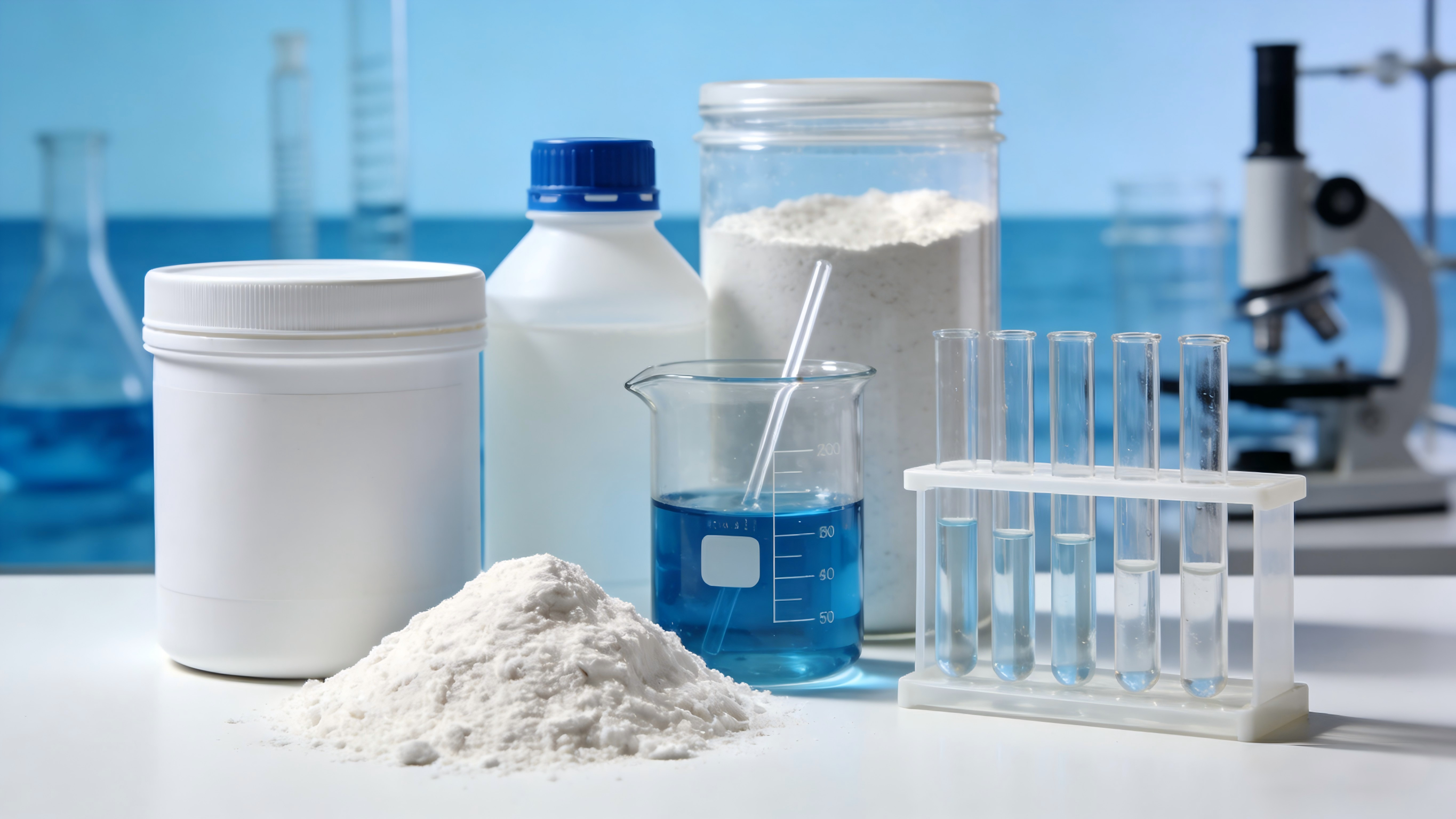
Bulk Buy Calcium Hypochlorite for Clinics: Medical Supplies Affordable
Introduction
In today’s healthcare landscape, maintaining stringent infection control protocols is not optional—it is imperative. Medical facilities, from small outpatient clinics to large hospital networks, require reliable, cost-effective disinfection solutions that meet international safety standards. Calcium hypochlorite stands out as one of the most versatile and economical disinfectants available for healthcare environments.
This comprehensive technical guide explores why bulk purchasing calcium hypochlorite represents a strategic decision for clinic administrators and procurement managers. We will examine technical specifications, performance metrics, regulatory compliance requirements, and practical implementation guidelines that ensure optimal disinfection outcomes while controlling operational costs.
Understanding Calcium Hypochlorite: Chemical Properties and Mechanisms
Molecular Structure and Composition
Calcium hypochlorite, with the chemical formula Ca(OCl)₂, is an inorganic compound that serves as a powerful oxidizing agent. The compound typically appears as a white granular solid or compressed tablets with a characteristic chlorine odor. When dissolved in water, it releases hypochlorous acid (HOCl), the active disinfecting species responsible for microbial inactivation.
Key Chemical Identifiers:
- CAS Number: 7778-54-3
- Molecular Weight: 142.99 g/mol
- EINECS Number: 231-908-7
- UN Number: 1748 (for transport classification)
Disinfection Mechanism
The antimicrobial action of calcium hypochlorite operates through multiple pathways:
- Oxidative Damage: Hypochlorous acid penetrates microbial cell walls and oxidizes essential cellular components including proteins, lipids, and nucleic acids.
- Enzyme Inactivation: The compound disrupts critical enzymatic processes necessary for microbial metabolism and reproduction.
- Membrane Disruption: Oxidative stress compromises cell membrane integrity, leading to cellular content leakage and eventual cell death.
This multi-mechanism approach ensures broad-spectrum efficacy against bacteria, viruses, fungi, and spores—making it particularly valuable in clinical settings where diverse pathogens may be present.
Technical Specifications for Medical Grade Calcium Hypochlorite
Purity and Available Chlorine Content
Medical-grade calcium hypochlorite must meet stringent purity requirements to ensure consistent disinfection performance and minimize residue formation.
| Parameter | Specification | Test Method |
|---|---|---|
| Available Chlorine | 65-70% (minimum) | ISO 7393-2 |
| Calcium Hypochlorite Content | ≥90% | Titrimetric Analysis |
| Moisture Content | ≤5% | Gravimetric Method |
| Insoluble Matter | ≤1% | ISO 6353-1 |
| Heavy Metals (as Pb) | ≤10 ppm | ICP-MS |
| Iron (Fe) | ≤50 ppm | Atomic Absorption |
Stability and Shelf Life
Properly stored calcium hypochlorite maintains its potency for extended periods, making it ideal for bulk procurement strategies:
- Unopened Containers: 24-36 months from manufacture date
- Opened Containers: 12 months when stored under recommended conditions
- Temperature Range: 15-25°C optimal storage
- Relative Humidity: Below 60% to prevent clumping and decomposition
Solution Preparation Guidelines
For clinical applications, calcium hypochlorite solutions must be prepared according to specific concentration requirements:
| Application | Recommended Concentration | Contact Time |
|---|---|---|
| Surface Disinfection | 500-1000 ppm available chlorine | 10 minutes |
| Instrument Soaking | 1000-5000 ppm available chlorine | 30 minutes |
| Floor Cleaning | 250-500 ppm available chlorine | 5 minutes |
| Waste Treatment | 5000-10000 ppm available chlorine | 60 minutes |
| Water Disinfection | 2-5 ppm available chlorine | 30 minutes |
Regulatory Compliance and Industry Standards
International Standards Framework
Calcium hypochlorite used in healthcare facilities must comply with multiple regulatory frameworks:
AWWA Standards (American Water Works Association)
- AWWA B300: Standard for Calcium Hypochlorite
- Specifies requirements for purity, packaging, and testing methods
- Widely recognized for water treatment applications in medical facilities
EN Standards (European Norm)
- UNE-EN 15796:2010: Chemicals used for treatment of water—Calcium hypochlorite
- Establishes quality criteria for European market compliance
- Includes testing protocols for available chlorine determination
CDC Guidelines (Centers for Disease Control and Prevention)
- Recommendations for Disinfection and Sterilization in Healthcare Facilities (2008, updated)
- Provides concentration recommendations for various clinical applications
- Outlines safety protocols for handling and storage
WHO Guidelines (World Health Organization)
- Water Sanitation and Health protocols
- Emergency disinfection procedures for healthcare settings
- International standards for infection prevention and control
FDA and EPA Considerations
In the United States, calcium hypochlorite products intended for healthcare use may require registration with:
- EPA: As antimicrobial pesticides under FIFRA (Federal Insecticide, Fungicide, and Rodenticide Act)
- FDA: When used in applications involving medical devices or food contact surfaces
Procurement managers should verify that suppliers maintain current registrations and provide necessary documentation for compliance audits.
Economic Advantages of Bulk Purchasing
Cost-Benefit Analysis
Bulk purchasing calcium hypochlorite offers significant economic advantages for healthcare facilities:
Volume Discount Structure:
- 1-100 kg: Standard pricing
- 101-500 kg: 8-12% discount
- 501-1000 kg: 15-20% discount
- 1000+ kg: 25-30% discount plus customized packaging options
Total Cost of Ownership Considerations:
- Reduced Unit Cost: Bulk quantities significantly lower per-kilogram pricing
- Minimized Ordering Frequency: Fewer procurement cycles reduce administrative overhead
- Inventory Stability: Adequate stock prevents emergency purchasing at premium prices
- Shipping Efficiency: Consolidated shipments reduce freight costs per unit
Storage Infrastructure Requirements
Facilities considering bulk purchases must evaluate storage capabilities:
- Dedicated Storage Area: Cool, dry, well-ventilated space away from direct sunlight
- Compatibility: Separate from acids, ammonia, and organic materials
- Container Integrity: Original packaging or approved secondary containment
- Access Control: Restricted access to trained personnel only
- Spill Containment: Secondary containment systems for leak prevention
Safety Protocols and Risk Management
Handling Procedures
Calcium hypochlorite requires careful handling to ensure personnel safety:
Personal Protective Equipment (PPE):
- Chemical-resistant gloves (nitrile or neoprene)
- Safety goggles or face shield
- Protective clothing (lab coat or coveralls)
- Respiratory protection when handling powders in enclosed spaces
Safe Handling Practices:
- Always add calcium hypochlorite to water, never water to concentrate
- Mix solutions in well-ventilated areas
- Avoid contact with skin, eyes, and clothing
- Do not mix with acids or ammonia-based products
- Clean spills immediately using appropriate absorbent materials
Emergency Response Procedures
Eye Contact:
- Immediately flush with clean water for at least 15 minutes
- Seek medical attention if irritation persists
Skin Contact:
- Remove contaminated clothing
- Wash affected area with soap and water
- Apply moisturizer if skin becomes dry or irritated
Inhalation:
- Move to fresh air immediately
- Seek medical attention if respiratory symptoms develop
Ingestion:
- Do not induce vomiting
- Rinse mouth with water
- Seek immediate medical attention
Material Compatibility
Calcium hypochlorite is incompatible with several common substances:
| Incompatible Material | Potential Hazard |
|---|---|
| Acids | Chlorine gas release |
| Ammonia | Chloramine formation |
| Organic Materials | Fire or explosion risk |
| Reducing Agents | Violent reaction |
| Metals (certain) | Corrosion and degradation |
Quality Assurance and Supplier Selection
Supplier Qualification Criteria
When selecting a calcium hypochlorite supplier for medical applications, consider:
Certification Requirements:
- ISO 9001:2015 Quality Management System
- ISO 14001:2015 Environmental Management
- OHSAS 18001 or ISO 45001 Occupational Health and Safety
- Relevant chemical manufacturing licenses
Documentation Requirements:
- Certificate of Analysis (CoA) for each batch
- Safety Data Sheet (SDS) compliant with GHS standards
- Regulatory compliance certificates
- Traceability documentation
Supply Chain Reliability:
- Production capacity to meet demand fluctuations
- Multiple manufacturing locations for redundancy
- Established logistics network for timely delivery
- Emergency supply protocols for critical situations
Testing and Verification
Receiving facilities should implement incoming quality verification:
- Visual Inspection: Check packaging integrity and product appearance
- Documentation Review: Verify CoA matches shipment details
- Spot Testing: Periodic verification of available chlorine content
- Storage Monitoring: Regular checks of storage conditions
Implementation Best Practices for Clinical Settings
Standard Operating Procedures (SOPs)
Develop comprehensive SOPs for calcium hypochlorite use:
Solution Preparation Protocol:
- Calculate required concentration based on application
- Measure water volume accurately
- Add calculated amount of calcium hypochlorite gradually
- Stir until completely dissolved
- Verify concentration using test strips or titration
- Label container with concentration, date, and expiration
Application Protocol:
- Pre-clean surfaces to remove organic matter
- Apply disinfectant solution using appropriate method
- Maintain required contact time
- Rinse if required for specific applications
- Document disinfection activities in log
Training Requirements
All personnel handling calcium hypochlorite must receive:
- Initial comprehensive training on hazards and safe handling
- Annual refresher training on procedures and updates
- Competency assessment before independent work authorization
- Emergency response training specific to chemical incidents
Documentation and Record Keeping
Maintain comprehensive records for compliance and quality assurance:
- Purchase orders and delivery receipts
- Certificate of Analysis for each batch
- Storage condition monitoring logs
- Usage records including dates, quantities, and applications
- Training records for all authorized personnel
- Incident reports and corrective actions
Environmental Considerations
Waste Disposal Guidelines
Calcium hypochlorite solutions and residues must be disposed of properly:
Neutralization Procedure:
- Dilute solution to reduce chlorine concentration
- Add sodium thiosulfate or similar reducing agent
- Verify neutralization using chlorine test strips
- Dispose according to local wastewater regulations
Solid Waste:
- Expired or contaminated product requires hazardous waste handling
- Contact licensed waste disposal contractors
- Maintain disposal documentation for regulatory compliance
Environmental Impact Mitigation
- Minimize solution preparation to reduce waste generation
- Implement precise dosing to avoid over-application
- Consider closed-system preparation to reduce atmospheric release
- Monitor wastewater discharge for chlorine residuals
Frequently Asked Questions (FAQ)
Q1: What is the recommended shelf life of bulk calcium hypochlorite?
A: When stored properly in original, unopened containers at temperatures between 15-25°C and relative humidity below 60%, calcium hypochlorite maintains its specified available chlorine content for 24-36 months from the manufacture date. Once opened, the product should be used within 12 months with proper resealing after each use.
Q2: How do I calculate the correct amount of calcium hypochlorite for my disinfection solution?
A: Use the following formula:
Weight (g) = (Target ppm × Volume (L)) ÷ (Available Chlorine % × 10)
For example, to prepare 10 liters of 500 ppm solution using 70% available chlorine product:
Weight = (500 × 10) ÷ (70 × 10) = 7.14 grams
Q3: Can calcium hypochlorite be used on all medical equipment and surfaces?
A: While calcium hypochlorite is effective on most hard, non-porous surfaces, it may corrode certain metals and damage some materials. Always consult equipment manufacturer guidelines before use. Avoid using on aluminum, copper, brass, and certain plastics. Test on a small, inconspicuous area first when uncertain.
Q4: What certifications should I require from my calcium hypochlorite supplier?
A: Request the following documentation:
- Current Certificate of Analysis for each batch
- GHS-compliant Safety Data Sheet
- ISO 9001 quality management certification
- Regulatory compliance certificates (EPA, FDA, or local equivalents)
- Evidence of third-party testing for purity and performance
Q5: How does bulk purchasing compare to smaller quantity orders in terms of cost savings?
A: Bulk purchasing typically offers 25-30% cost savings compared to small quantity orders when purchasing 1000+ kg. Additional savings come from reduced shipping costs per unit, fewer administrative transactions, and protection against price fluctuations. However, facilities must balance savings against storage capacity and product turnover rates.
Q6: What are the key differences between calcium hypochlorite and sodium hypochlorite for clinical use?
A: Calcium hypochlorite offers several advantages:
- Higher available chlorine content (65-70% vs. 10-15%)
- Longer shelf life and better stability
- Lower transportation costs per unit of available chlorine
- Less corrosive to certain materials
- More suitable for bulk storage
Sodium hypochlorite (liquid bleach) may be preferred for:
- Applications requiring immediate use
- Facilities without powder handling capabilities
- Situations where precise liquid dosing is required
Q7: How should I handle a calcium hypochlorite spill in my facility?
A: Follow these steps:
- Evacuate non-essential personnel from the area
- Don appropriate PPE including respiratory protection
- Contain the spill using inert absorbent materials
- Collect contaminated material in compatible containers
- Neutralize residual chlorine with sodium thiosulfate solution
- Clean the area thoroughly with water
- Document the incident and review prevention measures
Q8: Is calcium hypochlorite effective against COVID-19 and other emerging pathogens?
A: Yes, calcium hypochlorite solutions at appropriate concentrations (500-1000 ppm available chlorine) are effective against enveloped viruses including SARS-CoV-2. The CDC and WHO recognize chlorine-based disinfectants as effective against a broad range of pathogens when used according to recommended concentrations and contact times.
Q9: What temperature ranges can calcium hypochlorite solutions be used in?
A: Calcium hypochlorite solutions remain effective across a wide temperature range (5-40°C). However, solution stability decreases at higher temperatures. Prepare fresh solutions daily when ambient temperatures exceed 30°C. Cold water may slow dissolution—use lukewarm water (20-25°C) for optimal preparation.
Q10: How do I verify the concentration of my prepared calcium hypochlorite solution?
A: Use one of these verification methods:
- Chlorine test strips (quick, economical, suitable for routine checks)
- DPD colorimetric testing (more accurate, requires reagents)
- Titration methods (most accurate, requires laboratory equipment)
- Digital chlorine meters (convenient, requires calibration)
Verify concentration immediately after preparation and before each use for critical applications.
Conclusion
Calcium hypochlorite represents a proven, cost-effective disinfection solution for healthcare facilities of all sizes. By understanding technical specifications, regulatory requirements, and safe handling procedures, clinic administrators can make informed procurement decisions that balance infection control efficacy with operational efficiency.
Bulk purchasing strategies, when implemented with proper storage infrastructure and quality assurance protocols, deliver significant economic benefits while ensuring consistent supply of this critical medical supply. Partner with qualified suppliers who maintain rigorous quality standards and provide comprehensive documentation to support your compliance requirements.
For facilities ready to optimize their disinfection procurement strategy, evaluating calcium hypochlorite options against current practices may reveal opportunities for both cost reduction and performance improvement.
Ready to discuss your calcium hypochlorite requirements? Visit our contact page to connect with our technical sales team: https://envochemical.com/contact-us/
