
Industrial Grade Calcium Chloride: Comprehensive Solutions for Modern Manufacturing Applications
Introduction
In 2026, the global chemical industry continues to evolve at an unprecedented pace, with industrial grade calcium chloride emerging as a cornerstone compound for diverse manufacturing sectors. As B2B enterprises seek reliable, cost-effective, and high-performance chemical solutions, understanding the multifaceted applications of calcium chloride becomes essential for strategic procurement decisions. This comprehensive guide explores the critical role of industrial grade calcium chloride in modern manufacturing, offering actionable insights for business leaders, procurement managers, and chemical engineers seeking optimized solutions for their operations.
Calcium chloride (CaCl2), with CAS No. 10043-52-4, stands out as one of the most versatile inorganic compounds available today. Its unique properties—including exceptional hygroscopic capabilities, high solubility, and excellent thermal stability—make it indispensable across oil and gas, water treatment, construction, food processing, and pharmaceutical industries. For B2B buyers navigating an increasingly competitive marketplace, selecting the right calcium chloride supplier can significantly impact operational efficiency, cost structures, and overall business performance.
Understanding Industrial Grade Calcium Chloride
Chemical Properties and Specifications
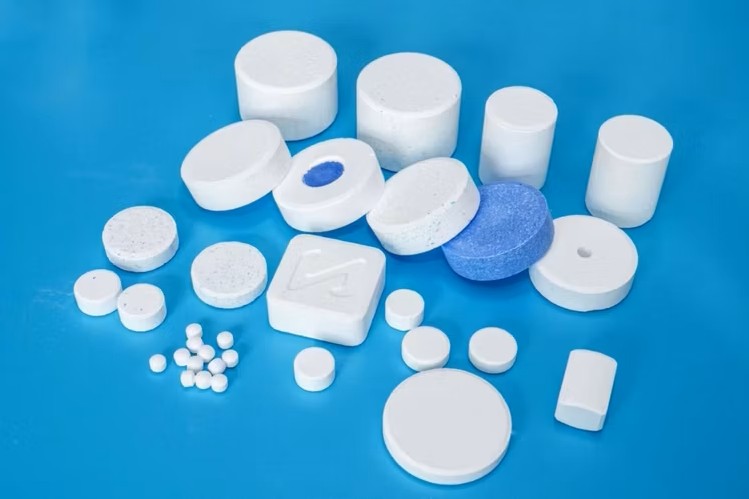
Industrial grade calcium chloride is available in multiple forms, including flakes, pellets, powder, and aqueous solutions. The compound typically achieves purity levels ranging from 94% to 97%, depending on the manufacturing process and intended application. Key specifications that B2B buyers should evaluate include:
- Purity Percentage: Industrial applications generally require 94-96% purity, while specialized sectors may demand higher grades
- Physical Form: Flakes offer rapid dissolution, pellets provide controlled release, and powder ensures uniform distribution
- Moisture Content: Lower moisture levels enhance storage stability and handling efficiency
- Particle Size Distribution: Consistent sizing ensures predictable performance in industrial processes
Manufacturing Processes and Quality Assurance
Leading calcium chloride manufacturers employ advanced production techniques to ensure consistent quality and reliability. The Solvay process and natural brine purification represent the two primary manufacturing methods, each offering distinct advantages for different application requirements. Quality assurance protocols should include comprehensive testing for heavy metals, pH levels, and contaminant thresholds to meet international standards including ISO 9001 certification.
Primary Industrial Applications
De-icing and Dust Control Solutions
One of the most significant applications of industrial grade calcium chloride lies in road maintenance and dust suppression. Unlike traditional sodium chloride, calcium chloride remains effective at temperatures as low as -25°F (-32°C), making it ideal for extreme weather conditions. The compound’s hygroscopic nature attracts moisture from the air, creating a brine solution that prevents ice formation and suppresses dust particles on unpaved roads.
For municipal governments, mining operations, and construction companies, calcium chloride offers:
- Extended effectiveness compared to alternative de-icing agents
- Reduced environmental impact through lower application rates
- Enhanced road surface protection and longevity
- Cost savings through decreased frequency of application
Water Treatment and Purification
In water treatment facilities, calcium chloride serves multiple critical functions including pH adjustment, coagulation enhancement, and hardness control. The compound’s ability to release calcium ions makes it particularly valuable for:
- Municipal Water Systems: Stabilizing water chemistry and preventing pipe corrosion
- Wastewater Treatment: Enhancing flocculation processes and improving solids removal
- Industrial Cooling Systems: Preventing scale formation and optimizing heat transfer efficiency
- Swimming Pool Maintenance: Balancing water hardness and maintaining optimal calcium levels
Oil and Gas Industry Applications
The petroleum sector relies heavily on calcium chloride for drilling fluids, completion brines, and well stimulation operations. High-density calcium chloride brines provide excellent pressure control while minimizing formation damage. Key benefits include:
- Superior density control for deep well operations
- Compatibility with various drilling additives
- Reduced corrosion compared to alternative brine systems
- Enhanced wellbore stability during completion operations
Construction and Concrete Applications
In construction, calcium chloride accelerates concrete curing, particularly in cold weather conditions. The compound reduces setting time while maintaining structural integrity, enabling faster project completion and reduced labor costs. Additionally, calcium chloride serves as an effective admixture for improving concrete workability and early strength development.
Procurement Considerations for B2B Buyers
Supplier Evaluation Criteria
Selecting the right calcium chloride supplier requires comprehensive evaluation across multiple dimensions. B2B buyers should assess:
- Production Capacity: Ensure suppliers can meet volume requirements consistently
- Quality Certifications: Verify ISO, REACH, and other relevant compliance standards
- Logistics Capabilities: Evaluate shipping options, lead times, and geographic coverage
- Technical Support: Access to application expertise and troubleshooting assistance
- Pricing Structures: Transparent pricing models with volume-based discounts
Cost Optimization Strategies
Effective procurement extends beyond unit pricing to encompass total cost of ownership. Strategic approaches include:
- Volume Consolidation: Combining orders across facilities to leverage bulk pricing
- Long-term Contracts: Securing favorable terms through committed purchase agreements
- Inventory Management: Optimizing stock levels to reduce carrying costs while preventing shortages
- Alternative Grades: Evaluating whether lower purity grades meet specific application requirements
Supply Chain Resilience
Recent global disruptions have highlighted the importance of supply chain diversification. B2B buyers should consider:
- Multiple supplier relationships to mitigate concentration risk
- Geographic distribution of production facilities
- Inventory buffering strategies for critical applications
- Real-time supply chain visibility and tracking capabilities
Environmental and Safety Considerations
Regulatory Compliance
Industrial grade calcium chloride must meet various regulatory requirements depending on jurisdiction and application. Key considerations include REACH compliance in Europe, TSCA requirements in the United States, and local environmental regulations governing storage, handling, and disposal.
Sustainable Sourcing Practices
Leading manufacturers increasingly emphasize sustainable production methods, including:
- Energy-efficient manufacturing processes
- Water conservation and recycling initiatives
- Reduced carbon footprint through optimized logistics
- Responsible sourcing of raw materials
Workplace Safety Protocols
Proper handling procedures minimize occupational exposure risks. Recommended practices include:
- Personal protective equipment (PPE) requirements
- Adequate ventilation in storage and handling areas
- Spill containment and cleanup procedures
- Employee training on safe handling practices
Future Trends and Market Outlook
The global calcium chloride market continues expanding, driven by growing infrastructure investments, increasing water treatment demands, and rising oil and gas exploration activities. Market analysts project steady growth through 2030, with Asia-Pacific regions leading demand expansion.
Emerging trends include:
- Advanced Formulations: Development of specialized blends for niche applications
- Digital Integration: IoT-enabled monitoring for inventory and quality tracking
- Green Chemistry: Environmentally friendly production methods and biodegradable additives
- Custom Solutions: Tailored formulations addressing specific customer requirements
Conclusion
Industrial grade calcium chloride represents a critical component for modern manufacturing operations across diverse sectors. By understanding the compound’s properties, applications, and procurement considerations, B2B buyers can make informed decisions that optimize performance, control costs, and ensure supply chain reliability. Partnering with experienced suppliers who demonstrate technical expertise, quality commitment, and customer-focused service delivers measurable value throughout the procurement lifecycle.
For businesses seeking reliable calcium chloride solutions, evaluating potential partners against comprehensive criteria ensures alignment with operational requirements and strategic objectives. The right supplier relationship transforms calcium chloride from a commodity purchase into a strategic advantage that supports long-term business success.
Frequently Asked Questions (FAQ)
Q1: What is the typical purity level of industrial grade calcium chloride?
A: Industrial grade calcium chloride typically ranges from 94% to 97% purity, depending on the manufacturing process and intended application. Higher purity grades are available for specialized applications requiring stricter specifications.
Q2: How should calcium chloride be stored to maintain quality?
A: Calcium chloride should be stored in a cool, dry, well-ventilated area away from moisture. Containers must remain sealed when not in use to prevent clumping and degradation. Proper storage extends shelf life and maintains product effectiveness.
Q3: What are the main differences between calcium chloride flakes, pellets, and powder?
A: Flakes offer rapid dissolution rates ideal for liquid applications. Pellets provide controlled release for de-icing and dust control. Powder ensures uniform distribution in mixing applications. Selection depends on specific operational requirements.
Q4: Is calcium chloride environmentally safe for road de-icing applications?
A: When used according to recommended application rates, calcium chloride presents lower environmental impact compared to traditional sodium chloride. It requires lower application frequencies and reduces overall salt loading on surrounding ecosystems.
Q5: What lead times should B2B buyers expect for calcium chloride orders?
A: Standard lead times typically range from 2-4 weeks for domestic shipments and 4-8 weeks for international orders. Expedited options may be available depending on supplier capacity and inventory levels.
Q6: Can calcium chloride be customized for specific applications?
A: Yes, many suppliers offer customized formulations including specific particle sizes, additive blends, and packaging options to meet unique application requirements. Discuss your specifications with potential suppliers during the evaluation process.
Ready to explore calcium chloride solutions for your business? Visit our contact page to connect with our technical team and request a customized quote tailored to your operational needs. https://envochemical.com/contact-us/
