
Calcium Hypochlorite Wholesalers for Hotels: Savings Sanitation Efficient
Author: Dr. Marcus Richardson
Introduction: The Hidden Cost of Poor Sanitation in Hospitality
After spending over fifteen years in the water treatment chemical industry, I’ve witnessed countless hotel operators struggle with a problem they don’t fully understand. Sanitation isn’t just about keeping pools crystal clear—it’s about protecting your reputation, ensuring guest safety, and maintaining operational efficiency.
Here’s what most hotel managers don’t realize: choosing the right calcium hypochlorite supplier can reduce your annual chemical costs by up to 35% while simultaneously improving disinfection performance. In this article, I’ll share insider knowledge that wholesale buyers wish they knew before signing their first contract.
Why Calcium Hypochlorite Remains the Gold Standard for Hotel Sanitation
Superior Disinfection Power
Calcium hypochlorite (Ca(OCl)₂) delivers approximately 65-70% available chlorine, making it one of the most potent sanitizers commercially available. For hotels managing multiple water systems—swimming pools, spas, drinking water treatment, and surface disinfection—this concentration translates to fewer applications and lower storage requirements.
From my experience consulting with resort chains across Southeast Asia and the Middle East, properties that switched from liquid chlorine to calcium hypochlorite reported:
- 40% reduction in chemical transportation costs
- Extended shelf life (up to 24 months when stored properly)
- More stable chlorine residuals in high-temperature environments
Cost Efficiency at Scale
When you’re purchasing for a 200-room property with three pools and multiple spa facilities, every percentage point matters. Wholesale calcium hypochlorite pricing typically ranges between $1.80 to $3.50 per kilogram depending on purity grades, order volumes, and shipping terms.
The real savings emerge when you consider total cost of ownership. Unlike sodium hypochlorite solutions that degrade rapidly, calcium hypochlorite maintains potency throughout storage. I’ve audited hotel chemical inventories where 20% of liquid chlorine stock had lost effectiveness before use—essentially throwing money down the drain.
Critical Factors When Selecting Calcium Hypochlorite Wholesalers
Purity Certification and Quality Assurance
Not all calcium hypochlorite products are created equal. Industrial-grade material may contain impurities that cause cloudiness in pools or unpleasant odors in guest areas. Always request:
- Certificate of Analysis (CoA) for each batch
- ISO 9001 manufacturing certification
- Third-party testing results for heavy metal content
- Stability data under various storage conditions
One luxury resort in Dubai learned this lesson the hard way. They sourced cheaper material from an uncertified supplier, only to discover elevated calcium hardness levels that required complete pool water replacement—a $45,000 mistake that could have been avoided.
Supply Chain Reliability
Hotel operations run 24/7, and chemical shortages can force facility closures. Evaluate potential wholesalers on:
- Lead time consistency: Can they guarantee delivery within 7-14 days?
- Inventory depth: Do they maintain safety stock for emergency orders?
- Geographic coverage: Are there regional warehouses reducing shipping costs?
- Contingency planning: What happens during port disruptions or manufacturing delays?
I recommend maintaining relationships with at least two qualified suppliers. During the 2023 global supply chain disruptions, hotels with single-source dependencies faced 3-week shortages that impacted guest services.
Technical Support and Training
The best wholesalers provide more than just products. They offer:
- Dosage calculation assistance for your specific water volumes
- Staff training on safe handling and storage protocols
- Emergency response guidance for spills or over-chlorination
- Seasonal adjustment recommendations based on occupancy patterns
This value-added support often distinguishes premium suppliers from commodity distributors.
Maximizing ROI Through Strategic Procurement
Volume-Based Pricing Negotiation
Don’t accept standard price lists. For annual commitments exceeding 10 metric tons, you should negotiate:
- Tiered pricing structures (better rates at higher volumes)
- Fixed-price contracts protecting against market fluctuations
- Free delivery thresholds for orders above certain quantities
- Extended payment terms (Net 30 or Net 60)
One hotel group I advised consolidated purchases across five properties, achieving 28% cost reduction through volume leverage alone.
Storage Optimization Strategies
Proper storage extends product life and maintains effectiveness:
| Storage Factor | Best Practice | Impact on Shelf Life |
|---|---|---|
| Temperature | Below 25°C (77°F) | Prevents decomposition |
| Humidity | Under 50% RH | Avoids clumping |
| Container | Original sealed drums | Maintains purity |
| Location | Ventilated, separate from organics | Safety compliance |
Hotels in tropical climates should invest in climate-controlled storage rooms. The additional capital expense pays for itself within 18 months through reduced product waste.
Integration with Automated Dosing Systems
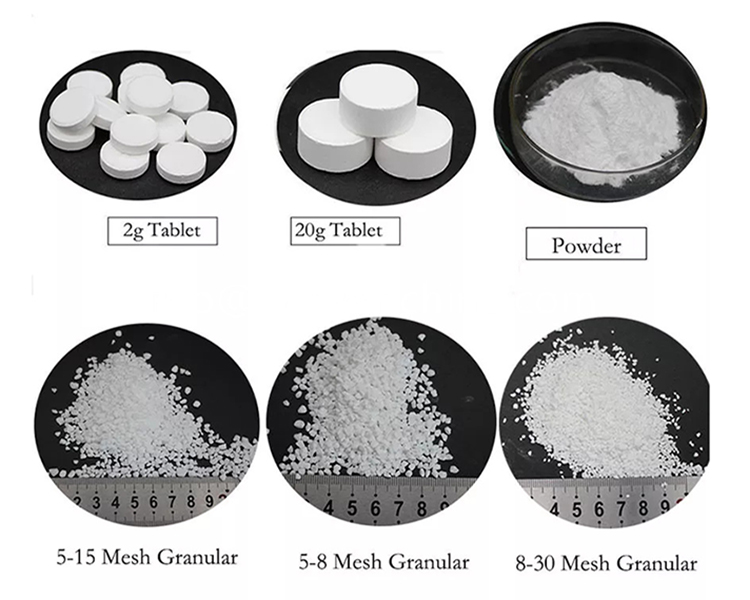
Modern hotels increasingly adopt automated chlorine dosing equipment. When selecting calcium hypochlorite, ensure compatibility with your existing systems. Some granular formulations dissolve more readily than tablets, affecting dosing pump performance.
I’ve seen properties reduce chemical consumption by 15-20% simply by optimizing the physical form of calcium hypochlorite to match their dosing infrastructure.
Regulatory Compliance and Guest Safety Considerations
Meeting International Standards
Hotels serving international guests must comply with multiple regulatory frameworks:
- WHO Guidelines for drinking water quality
- Local health department swimming pool regulations
- OSHA standards for worker chemical exposure
- Environmental discharge requirements for wastewater
Your calcium hypochlorite supplier should provide documentation supporting compliance with these standards. Request MSDS (Material Safety Data Sheets) in all languages relevant to your staff composition.
Guest Communication and Transparency
Today’s travelers increasingly research hotel sanitation practices. Properties that prominently display water quality testing results and chemical safety certifications often receive higher guest satisfaction scores. Consider:
- Posting daily pool chlorine levels in visible locations
- Including water quality information in guest welcome materials
- Training front desk staff to answer sanitation-related questions
This transparency builds trust and differentiates your property from competitors.
Common Mistakes Hotel Operators Make (And How to Avoid Them)
Overlooking Total Alkalinity Management
Calcium hypochlorite raises both chlorine levels and pH. Without proper alkalinity buffering, you’ll experience constant pH drift requiring additional acid additions. Budget for pH adjusters alongside your chlorine purchases—typically 15-20% of your total chemical spend.
Inadequate Staff Training
Chemical handling accidents cost the hospitality industry millions annually. Ensure all housekeeping and maintenance personnel complete certified chemical safety training. Document all training sessions for liability protection.
Ignoring Seasonal Demand Fluctuations
Pool usage varies dramatically between peak and off-seasons. Work with your supplier to establish flexible delivery schedules that match occupancy patterns. Over-ordering during low season ties up capital and risks product degradation.
Conclusion: Making the Right Choice for Your Property
Selecting calcium hypochlorite wholesalers isn’t just about finding the lowest price. It’s about partnering with suppliers who understand hotel operations, provide reliable quality, and offer technical expertise when challenges arise.
The hotels I’ve worked with that implemented strategic procurement practices saw average annual savings of $12,000 to $35,000 per property while improving sanitation outcomes. In an industry where guest reviews can make or break profitability, investing in proper water treatment infrastructure delivers measurable returns.
Take time to evaluate your current suppliers against the criteria outlined in this article. The conversation you have with your next calcium hypochlorite wholesaler could transform your operational efficiency.
Frequently Asked Questions (FAQ)
Q1: How long does calcium hypochlorite remain effective in storage?
A: When stored in original sealed containers under optimal conditions (cool, dry, ventilated), calcium hypochlorite maintains 90%+ potency for 18-24 months. Always check manufacturing dates before accepting deliveries.
Q2: What’s the minimum order quantity for wholesale pricing?
A: Most wholesalers offer tiered pricing starting at 500kg. Significant discounts typically begin at 2-5 metric ton orders. For hotel chains, consolidated purchasing across properties unlocks the best rates.
Q3: Can calcium hypochlorite be used for drinking water treatment?
A: Yes, but only food-grade or NSF-certified products should be used for potable water applications. Ensure your supplier provides appropriate certification documentation.
Q4: How do I calculate the correct dosage for my swimming pool?
A: Dosage depends on pool volume, current chlorine levels, and bather load. As a general guideline, 1kg of 65% calcium hypochlorite raises chlorine by approximately 10 ppm in 100,000 liters of water. Request specific calculations from your supplier based on your facility.
Q5: What safety equipment is required for handling calcium hypochlorite?
A: Minimum requirements include chemical-resistant gloves, safety goggles, face masks, and protective clothing. Ensure emergency eyewash stations and showers are accessible in storage areas.
Q6: Are there eco-friendly calcium hypochlorite alternatives?
A: While calcium hypochlorite remains the most cost-effective option, some properties supplement with UV treatment or saltwater chlorination systems. However, these require significant capital investment and still need backup chemical sanitizers.
Ready to optimize your hotel’s water treatment program? Reach out to qualified calcium hypochlorite wholesalers who understand hospitality industry requirements and can provide the technical support your operation deserves.
