
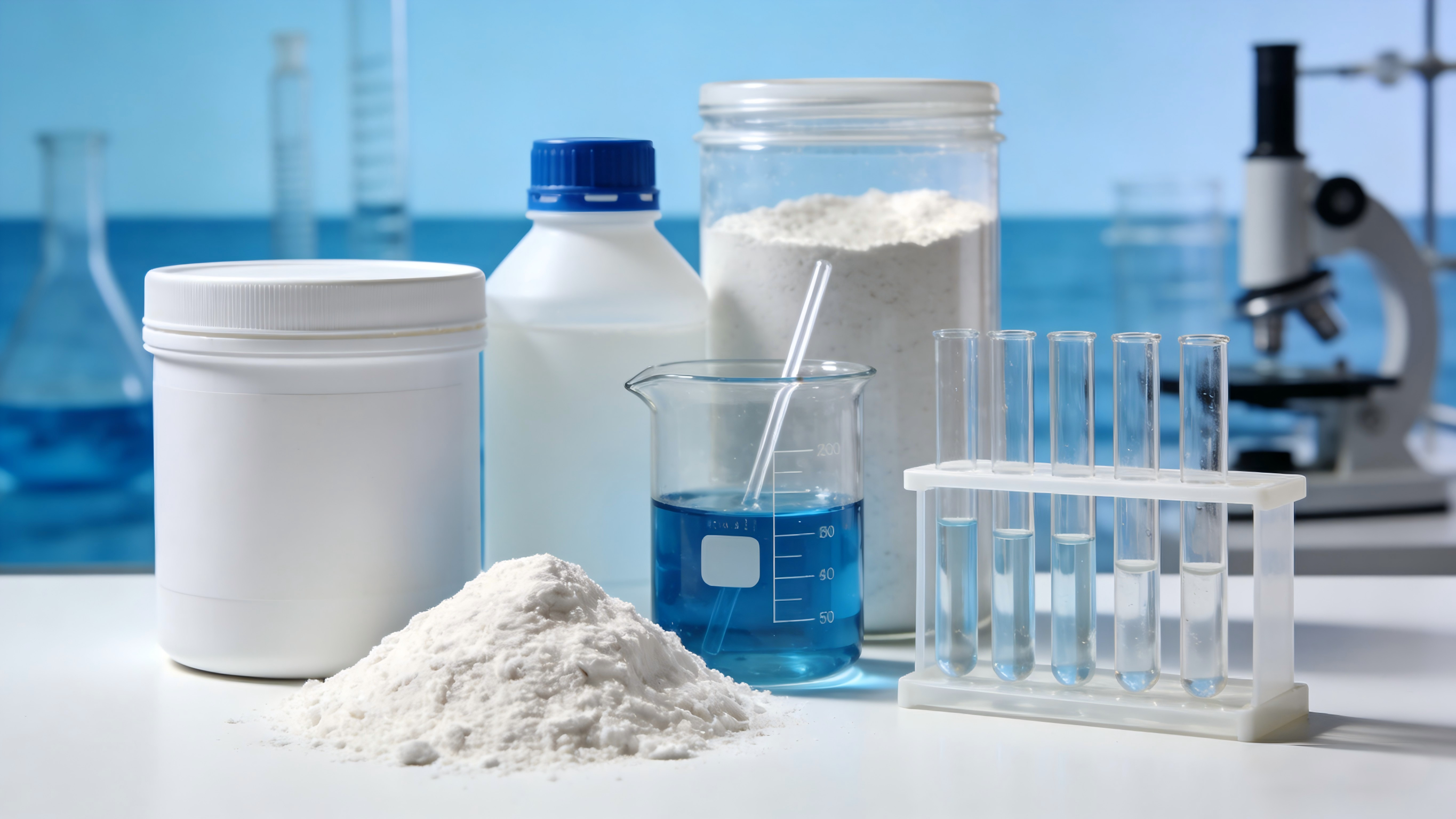
TCCA Suppliers for Laboratories: Research Precision Grade Disinfection
Introduction
In the contemporary laboratory environment, maintaining stringent sterility protocols is not merely a regulatory requirement—it is the foundation of scientific integrity. Trichloroisocyanuric Acid (TCCA), with CAS Registry Number 87-90-1, has emerged as a critical disinfection agent for research facilities demanding precision-grade chemical performance. This comprehensive technical guide examines the specifications, quality parameters, and supplier selection criteria essential for laboratory procurement professionals evaluating TCCA for research applications.
Laboratory-grade TCCA distinguishes itself from industrial counterparts through enhanced purity specifications, rigorous batch-to-batch consistency, and comprehensive documentation aligned with international quality management frameworks. As regulatory requirements intensify across pharmaceutical, biotechnology, and analytical testing sectors, understanding the technical differentiators of precision-grade TCCA becomes paramount for laboratory operations managers and procurement specialists.
Understanding TCCA: Chemical Properties and Laboratory Applications
Molecular Structure and Fundamental Characteristics
Trichloroisocyanuric Acid represents an organic chlorine compound with the molecular formula C₃Cl₃N₃O₃ and molecular weight of 232.44 g/mol. The compound exists as a white crystalline powder with characteristic chlorine odor, exhibiting exceptional stability under proper storage conditions.
Key Physical Properties:
| Parameter | Specification |
|---|---|
| CAS Number | 87-90-1 |
| Molecular Formula | C₃Cl₃N₃O₃ |
| Molecular Weight | 232.44 g/mol |
| Appearance | White crystalline powder |
| Density | 2.191 g/cm³ |
| Melting Point | 247°C |
| Solubility (25°C) | 1.2 g/100g water |
| Available Chlorine Content | 90-92% (laboratory grade) |
| pH (1% solution) | 2.6-3.2 |
Mechanism of Disinfection Action
TCCA functions through controlled hydrolysis in aqueous solutions, releasing hypochlorous acid (HOCl) as the active disinfecting species. This slow-release mechanism provides sustained antimicrobial activity while minimizing corrosive effects on laboratory equipment surfaces.
The oxidation-reduction potential of TCCA-derived hypochlorous acid enables broad-spectrum efficacy against:
- Gram-positive and Gram-negative bacteria
- Enveloped and non-enveloped viruses
- Fungal spores and mycelial structures
- Algal contaminants in water systems
Laboratory-Grade Specifications: Quality Parameters That Matter
Purity Standards and Acceptance Criteria
Laboratory-grade TCCA must exceed industrial specifications to ensure research reproducibility and analytical accuracy. Leading suppliers implement multi-stage purification processes achieving minimum 99.0% active ingredient content with controlled impurity profiles.
Critical Quality Attributes for Research Applications:
| Quality Parameter | Laboratory Grade | Industrial Grade |
|---|---|---|
| Active Content | ≥99.0% | 90-95% |
| Moisture Content | ≤0.5% | ≤2.0% |
| Heavy Metals (Pb) | ≤5 ppm | ≤20 ppm |
| Arsenic (As) | ≤2 ppm | ≤10 ppm |
| Water Insolubles | ≤0.1% | ≤0.5% |
| Particle Size (D50) | 200-400 μm | Variable |
Batch Consistency and Traceability
Research laboratories require exceptional batch-to-batch consistency to maintain experimental validity. Premium TCCA suppliers implement comprehensive quality management systems including:
- Raw Material Verification: Cyanuric acid and chlorine source qualification with supplier audits
- In-Process Controls: Real-time monitoring of chlorination reactions and crystallization parameters
- Final Product Testing: Comprehensive analytical characterization per established specifications
- Certificate of Analysis: Complete documentation including all critical quality attributes
- Retention Samples: Archived samples for each production batch enabling retrospective analysis
Compliance Framework: Industry Standards and Regulatory Requirements
International Quality Standards
Laboratory chemical suppliers must demonstrate compliance with recognized international standards to serve research institutions effectively.
ISO/IEC 17025:2017 Alignment
Testing laboratories performing TCCA quality verification should maintain accreditation under ISO/IEC 17025:2017, the global benchmark for testing and calibration laboratory competence. This standard ensures:
- Technical competency of analytical personnel
- Validated testing methodologies
- Traceable measurement standards
- Uncertainty quantification for all reported results
- Impartiality and confidentiality protections
HG/T 3779-2005 Industry Standard
The Chinese chemical industry standard HG/T 3779-2005 establishes baseline specifications for trichloroisocyanuric acid products. Laboratory-grade materials typically exceed these minimum requirements significantly.
Safety Documentation Requirements
B2B procurement of laboratory chemicals necessitates comprehensive safety documentation:
- Safety Data Sheets (SDS): GHS-compliant, region-specific documentation
- Transport Classification: UN 3087, Class 5.1 (Oxidizing Substance)
- Storage Guidelines: Temperature-controlled, humidity-managed facilities
- Handling Protocols: PPE requirements and exposure control measures
Performance Validation: Disinfection Efficacy Data
Microbial Reduction Studies
Independent laboratory testing demonstrates TCCA efficacy across diverse microbial challenges. Research-grade formulations achieve superior performance compared to standard commercial products.
Bacterial Reduction Performance (Contact Time: 10 minutes at 200 ppm available chlorine):
| Microorganism | Log Reduction | Test Method |
|---|---|---|
| Escherichia coli | ≥6.0 log | EN 1276 |
| Staphylococcus aureus | ≥6.0 log | EN 1276 |
| Pseudomonas aeruginosa | ≥5.5 log | EN 1276 |
| Listeria monocytogenes | ≥5.0 log | EN 1276 |
Virucidal Activity (Contact Time: 15 minutes at 500 ppm available chlorine):
| Virus Type | Log Reduction | Test Method |
|---|---|---|
| Poliovirus Type 1 | ≥4.0 log | EN 14476 |
| Adenovirus Type 5 | ≥4.0 log | EN 14476 |
| Norovirus Surrogate | ≥3.5 log | EN 14476 |
Stability Performance Under Laboratory Conditions
Laboratory-grade TCCA demonstrates exceptional stability when stored under recommended conditions (15-25°C, relative humidity <60%):
- Shelf Life: 24 months from manufacture date
- Available Chlorine Retention: >95% after 12 months proper storage
- Moisture Absorption: <0.3% weight gain under 60% RH conditions
Supplier Selection Criteria for Laboratory Procurement
Technical Capability Assessment
When evaluating TCCA suppliers for laboratory applications, procurement professionals should assess:
Manufacturing Infrastructure:
- Dedicated laboratory-grade production lines
- ISO 9001:2015 certified quality management systems
- Environmental controls (temperature, humidity, particulate)
- Batch sizes appropriate for research consumption patterns
Analytical Laboratory Capabilities:
- In-house HPLC, titration, and spectroscopic analysis
- Microbiological testing facilities
- Method validation documentation
- Proficiency testing participation
Supply Chain Reliability Factors
Lead Time Performance:
- Standard orders: 5-10 business days
- Custom packaging: 15-20 business days
- Emergency supply arrangements availability
Packaging Options for Laboratory Use:
- 1 kg aluminum foil pouches with desiccant
- 5 kg HDPE containers with inner liner
- 25 kg fiber drums with polyethylene bags
- Custom packaging upon request
Documentation Support:
- Certificates of Analysis with each shipment
- Annual quality summaries
- Change notification procedures
- Technical support accessibility
Application-Specific Considerations
Water Treatment in Laboratory Systems
TCCA serves as an effective disinfectant for laboratory water purification systems, including:
- Reverse osmosis pre-treatment
- Storage tank maintenance
- Distribution loop sanitization
- Emergency system decontamination
Recommended concentrations vary by application:
- Routine maintenance: 50-100 ppm available chlorine
- Shock treatment: 200-500 ppm available chlorine
- System sterilization: 500-1000 ppm available chlorine
Surface Disinfection Protocols
For laboratory bench and equipment surface disinfection, TCCA solutions provide effective microbial control with minimal residue:
- General surfaces: 200-500 ppm, 5-minute contact time
- High-risk areas: 500-1000 ppm, 10-minute contact time
- Spill decontamination: 1000-2000 ppm, 15-minute contact time
Research Application Compatibility
TCCA compatibility with common laboratory materials:
| Material | Compatibility | Notes |
|---|---|---|
| Stainless Steel (316L) | Excellent | Minimal corrosion |
| Glass | Excellent | No degradation |
| Polypropylene | Good | Extended exposure may cause brittleness |
| PVC | Fair | Avoid concentrated solutions |
| Aluminum | Poor | Significant corrosion risk |
Economic Considerations for Laboratory Budgets
Total Cost of Ownership Analysis
While laboratory-grade TCCA commands premium pricing compared to industrial alternatives, the total cost of ownership favors precision-grade products for research applications:
Cost Factors:
- Reduced experimental variability
- Lower contamination-related repeat testing
- Extended equipment life from reduced corrosion
- Regulatory compliance assurance
- Documentation value for audit readiness
Pricing Structure (Indicative, FOB):
- 1 kg packaging: Premium tier
- 5-25 kg packaging: Standard laboratory pricing
- Bulk quantities (100+ kg): Contract pricing available
Volume Optimization Strategies
Laboratory procurement teams can optimize TCCA expenditure through:
- Consolidated Ordering: Quarterly or semi-annual procurement cycles
- Multi-Site Agreements: Centralized purchasing for laboratory networks
- Long-Term Contracts: 12-24 month agreements with price protection
- Just-in-Time Delivery: Reduced inventory carrying costs
Risk Management and Safety Protocols
Chemical Compatibility Hazards
TCCA requires careful handling to prevent hazardous reactions:
Incompatible Materials:
- Ammonia and ammonium compounds (forms explosive nitrogen trichloride)
- Strong reducing agents
- Organic materials under certain conditions
- Acids (accelerates chlorine release)
Storage and Handling Best Practices
Storage Requirements:
- Temperature: 15-25°C optimal range
- Humidity: <60% relative humidity
- Ventilation: Adequate air exchange
- Segregation: Separate from incompatible materials
- Container Integrity: Moisture-proof packaging essential
Personal Protective Equipment:
- Chemical-resistant gloves (nitrile or neoprene)
- Safety goggles or face shield
- Laboratory coat or protective apron
- Respiratory protection for powder handling operations
Future Trends in Laboratory Disinfection
Regulatory Evolution
Global regulatory frameworks continue to evolve, impacting laboratory disinfection practices:
- Enhanced documentation requirements under GMP and GLP frameworks
- Increased scrutiny of disinfectant validation protocols
- Environmental discharge restrictions for chlorine-containing compounds
- Worker exposure limit refinements
Technology Advancements
Emerging developments in TCCA applications include:
- Stabilized formulations for extended shelf life
- Controlled-release delivery systems
- Combination products with complementary actives
- Enhanced testing methodologies for efficacy verification
Sustainability Considerations
Laboratory chemical procurement increasingly incorporates sustainability criteria:
- Manufacturing energy efficiency
- Packaging recyclability
- Transportation carbon footprint
- End-of-life disposal pathways
Frequently Asked Questions (FAQ)
Q1: What distinguishes laboratory-grade TCCA from industrial-grade products?
A: Laboratory-grade TCCA features higher purity specifications (≥99.0% vs. 90-95%), tighter impurity controls, comprehensive batch documentation, and enhanced consistency testing. These differences ensure research reproducibility and regulatory compliance for sensitive applications.
Q2: What is the recommended shelf life for laboratory-grade TCCA?
A: When stored under proper conditions (15-25°C, <60% relative humidity, sealed packaging), laboratory-grade TCCA maintains specifications for 24 months from the manufacture date. Available chlorine retention exceeds 95% after 12 months of proper storage.
Q3: How should TCCA be stored in laboratory environments?
A: Store in original moisture-proof packaging in a cool, dry, well-ventilated area. Maintain separation from incompatible materials including ammonia compounds, reducing agents, and organic materials. Avoid direct sunlight and temperature extremes.
Q4: What analytical testing is performed on each production batch?
A: Comprehensive batch testing includes active chlorine content determination, moisture analysis, pH measurement, heavy metals screening, water insolubles quantification, and particle size distribution. Complete Certificates of Analysis accompany each shipment.
Q5: Is TCCA compatible with all laboratory equipment materials?
A: TCCA demonstrates excellent compatibility with stainless steel (316L) and glass. Polypropylene shows good compatibility with extended exposure considerations. Aluminum and certain plastics may experience corrosion or degradation and should be avoided.
Q6: What documentation is provided with laboratory-grade TCCA shipments?
A: Each shipment includes Certificate of Analysis, Safety Data Sheet (GHS-compliant), batch traceability information, and manufacturing date. Annual quality summaries and change notifications are available upon request.
Q7: Can TCCA be used for biological safety cabinet decontamination?
A: TCCA solutions can be used for BSC surface decontamination following manufacturer protocols. However, verify compatibility with specific cabinet materials and ensure thorough rinsing to prevent corrosion. Alternative disinfectants may be preferred for certain applications.
Q8: What are the typical lead times for laboratory TCCA orders?
A: Standard orders typically ship within 5-10 business days. Custom packaging requests require 15-20 business days. Emergency supply arrangements may be available for critical requirements—contact supplier directly for expedited options.
Q9: How does TCCA compare to sodium hypochlorite for laboratory disinfection?
A: TCCA offers superior stability, longer shelf life, and more consistent available chlorine content compared to sodium hypochlorite solutions. The solid form reduces transportation costs and storage space requirements. However, sodium hypochlorite may be preferred for certain applications requiring immediate high-concentration solutions.
Q10: What packaging options are available for laboratory TCCA procurement?
A: Standard laboratory packaging includes 1 kg aluminum foil pouches, 5 kg HDPE containers, and 25 kg fiber drums. Custom packaging configurations are available based on specific laboratory requirements and consumption patterns.
Conclusion
Selecting the appropriate TCCA supplier for laboratory applications requires careful evaluation of technical specifications, quality systems, documentation capabilities, and supply chain reliability. Laboratory-grade TCCA represents a critical investment in research integrity, regulatory compliance, and operational efficiency.
Procurement professionals should prioritize suppliers demonstrating ISO 9001:2015 certification, comprehensive analytical capabilities, and transparent quality documentation. The premium associated with laboratory-grade materials delivers measurable value through reduced experimental variability, enhanced compliance posture, and optimized total cost of ownership.
For laboratories requiring precision-grade TCCA with complete technical support and documentation, engaging qualified suppliers early in the procurement cycle ensures optimal product selection and supply continuity.
For detailed product specifications, current pricing, and technical consultation regarding laboratory-grade TCCA requirements, please visit our contact page to connect with our technical sales team.
