
Calcium Hypochlorite for Water Parks: Traffic Supplies High Safe
Introduction
Water parks represent one of the fastest-growing segments in the recreational industry, attracting millions of visitors annually. Behind every splash, slide, and wave pool lies a critical component that ensures guest safety and operational excellence: effective water disinfection. Among various disinfection solutions available, calcium hypochlorite has emerged as the preferred choice for water park operators worldwide. This comprehensive guide explores why calcium hypochlorite delivers superior performance, safety, and cost-efficiency for high-traffic aquatic facilities.
Why Calcium Hypochlorite Stands Out for Water Park Applications
Superior Disinfection Power
Calcium hypochlorite (Ca(ClO)₂) is a powerful oxidizing agent that provides exceptional disinfection capabilities. With available chlorine content ranging from 65% to 70%, it effectively eliminates harmful pathogens including bacteria, viruses, and algae that thrive in warm, high-traffic water environments. Water parks face unique challenges compared to traditional swimming pools—higher bather loads, varied water temperatures, and complex circulation systems demand a disinfectant that can maintain consistent sanitization levels throughout peak operating hours.
The chemical stability of calcium hypochlorite ensures reliable chlorine residual maintenance, even under intense sunlight exposure. This characteristic proves particularly valuable for outdoor water parks where UV radiation can rapidly degrade alternative disinfectants. Operators benefit from reduced chemical consumption and more predictable water quality management.
Cost-Effectiveness for Large-Scale Operations
Water park facilities process thousands of gallons of water daily, making chemical procurement a significant operational expense. Calcium hypochlorite offers exceptional value through its high chlorine concentration, meaning less product is required to achieve target disinfection levels compared to liquid chlorine or lower-concentration alternatives. Bulk purchasing options further enhance cost savings, making it an economically sound choice for facilities managing multiple attractions and pools.
The extended shelf life of calcium hypochlorite reduces waste from product degradation, allowing operators to purchase in larger quantities without concern for premature expiration. This inventory flexibility supports better budget planning and reduces the frequency of chemical deliveries, minimizing operational disruptions.
Safety Considerations for High-Traffic Water Facilities
Handling and Storage Protocols
Safety remains paramount when managing disinfection chemicals in public recreation facilities. Calcium hypochlorite requires proper storage in cool, dry, well-ventilated areas away from direct sunlight and incompatible materials. Modern packaging solutions include sealed drums and specialized containers that minimize exposure risks during handling and transportation.
Staff training programs should cover proper personal protective equipment usage, emergency response procedures, and safe mixing protocols. When dissolved correctly, calcium hypochlorite solutions integrate seamlessly into existing water treatment systems without creating hazardous conditions for guests or employees.
Regulatory Compliance and Water Quality Standards
Water parks must adhere to strict local and international water quality regulations. Calcium hypochlorite meets recognized safety standards including EPA guidelines and WHO recommendations for recreational water disinfection. The chemical’s predictable dissolution characteristics enable precise dosing control, helping facilities maintain compliance with free chlorine residual requirements typically ranging from 1.0 to 3.0 ppm depending on specific attraction types.
Regular water testing protocols ensure optimal disinfection levels while preventing over-chlorination that could cause guest discomfort. Advanced monitoring systems can integrate with calcium hypochlorite feed systems to automate dosage adjustments based on real-time water quality parameters.
Operational Advantages for Water Park Management
Simplified Dosing Systems
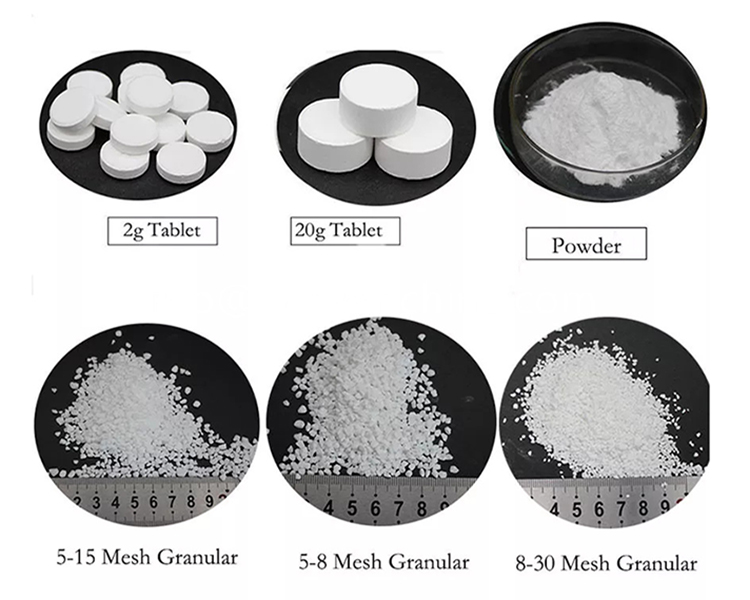
Modern water treatment infrastructure accommodates calcium hypochlorite through various delivery methods including tablet feeders, granular dissolving systems, and automated injection pumps. This versatility allows facilities to choose equipment that best matches their specific operational needs and budget constraints. Granular forms dissolve quickly for rapid response to water quality fluctuations, while tablet systems provide consistent, slow-release chlorination for baseline maintenance.
Integration with existing filtration and circulation systems requires minimal modification, reducing installation costs and downtime during implementation. Many water parks successfully transition from alternative disinfectants to calcium hypochlorite without major infrastructure investments.
Reduced Maintenance Requirements
The stability of calcium hypochlorite contributes to lower maintenance demands on water treatment equipment. Unlike liquid chlorine solutions that can corrode pumps and piping over time, properly dosed calcium hypochlorite solutions demonstrate gentler effects on system components. This characteristic extends equipment lifespan and reduces repair frequencies, generating additional long-term savings for facility operators.
Calcium hypochlorite also helps control scale formation and reduces the need for frequent system flushing. The chemical’s oxidation properties break down organic contaminants before they accumulate in filtration media, maintaining optimal flow rates and filtration efficiency throughout extended operating seasons.
Environmental Impact and Sustainability
Minimal Byproduct Formation
When used according to manufacturer guidelines, calcium hypochlorite produces minimal harmful disinfection byproducts compared to alternative treatments. Proper water balance management including pH control and regular monitoring ensures that trihalomethane formation remains within acceptable limits. This environmental consideration becomes increasingly important as regulatory agencies strengthen requirements for recreational water facilities.
The calcium component in calcium hypochlorite can actually benefit water chemistry by contributing to total alkalinity buffering capacity. This natural pH stabilization reduces the need for additional alkalinity adjusters, simplifying chemical inventory management and reducing overall chemical usage.
Responsible Sourcing and Supply Chain
Leading calcium hypochlorite manufacturers implement sustainable production practices that minimize environmental impact throughout the supply chain. Bulk shipping options reduce packaging waste and transportation emissions per unit of active chlorine delivered. Water park operators can partner with suppliers who demonstrate commitment to environmental stewardship while maintaining product quality and reliability.
Frequently Asked Questions
Q1: What is the recommended dosage of calcium hypochlorite for water park pools?
Dosage varies based on pool volume, bather load, and water temperature. Generally, maintain free chlorine levels between 1.0-3.0 ppm. Consult water testing results and adjust accordingly, typically requiring 1-2 pounds per 10,000 gallons for initial treatment.
Q2: How does calcium hypochlorite compare to liquid chlorine for water parks?
Calcium hypochlorite offers higher chlorine concentration, longer shelf life, and easier storage requirements. It provides more stable chlorine residual in outdoor settings and reduces transportation costs due to lower water content in the product.
Q3: Can calcium hypochlorite be used in all water park attractions?
Yes, it suits various attractions including wave pools, lazy rivers, splash pads, and slides. However, dosage adjustments may be needed for attractions with different water turnover rates or special features like heated water systems.
Q4: What safety precautions should staff follow when handling calcium hypochlorite?
Always wear appropriate PPE including gloves and eye protection. Store in original containers away from acids and organic materials. Never mix with other chemicals. Ensure adequate ventilation in storage and mixing areas.
Q5: How often should water quality be tested when using calcium hypochlorite?
Test free chlorine and pH levels at least twice daily during peak operations. Additional testing for total alkalinity, calcium hardness, and cyanuric acid should occur weekly. Maintain detailed records for regulatory compliance.
Ready to optimize your water park’s disinfection program with premium calcium hypochlorite solutions? Our team specializes in providing high-quality chemical supplies tailored to high-traffic aquatic facilities. Visit our contact page to discuss your specific requirements and receive a customized quotation that meets your operational needs and budget constraints.
