
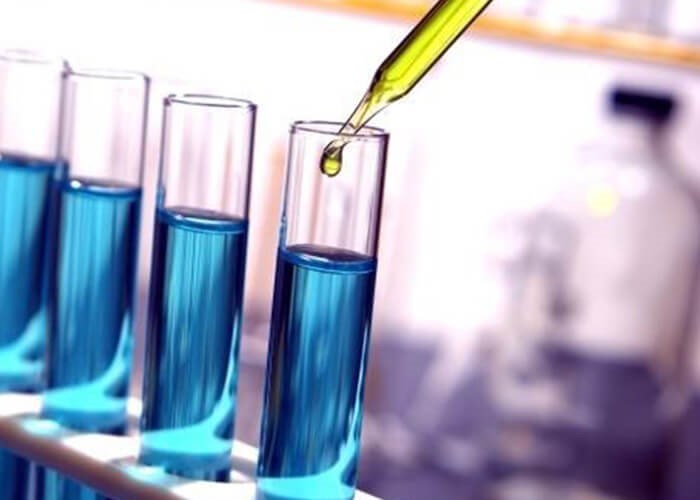
SDIC for Pharma Plants: High Water Purity Solutions
Introduction
In the pharmaceutical industry, water purity is not just a requirement—it is a critical factor that directly impacts product quality, regulatory compliance, and patient safety. Pharmaceutical manufacturers face constant challenges in maintaining ultra-pure water systems that meet stringent international standards. Sodium Dichloroisocyanurate (SDIC) has emerged as a powerful disinfection solution for pharmaceutical water treatment systems, offering reliable microbial control while maintaining operational efficiency.
This comprehensive guide explores how SDIC delivers high water purity solutions for pharma plants, addressing the unique challenges faced by pharmaceutical manufacturers in water purification and disinfection processes.
Understanding SDIC: The Science Behind Effective Water Disinfection
What is Sodium Dichloroisocyanurate?
Sodium Dichloroisocyanurate, commonly known as SDIC or NaDCC, is an organic compound with the chemical formula C₃Cl₂N₃NaO₃. This white crystalline powder serves as a highly effective disinfectant and oxidizing agent. With a CAS number of 2893-78-9, SDIC has become a preferred choice for water treatment applications across multiple industries, particularly in pharmaceutical manufacturing facilities.
Key Chemical Properties
SDIC possesses several characteristics that make it ideal for pharmaceutical water purification:
- High Available Chlorine Content: Typically ranging from 56% to 60%, providing powerful disinfection capabilities
- Excellent Water Solubility: Ensures uniform distribution throughout water systems
- Stable Composition: Maintains effectiveness during storage and application
- Broad-Spectrum Activity: Effective against bacteria, viruses, fungi, and spores
- Controlled Release: Provides sustained disinfection action over extended periods
Why Pharma Plants Require Advanced Water Purity Solutions
Regulatory Compliance Requirements
Pharmaceutical manufacturing facilities must adhere to strict regulatory standards set by organizations such as the FDA, EMA, and various pharmacopoeias including the 2025 Chinese Pharmacopoeia. These regulations specify maximum allowable microbial counts and contamination levels in pharmaceutical water systems. Non-compliance can result in product recalls, regulatory actions, and significant financial losses.
Critical Water Applications in Pharmaceutical Manufacturing
Pharmaceutical plants utilize purified water in numerous critical processes:
- Active Pharmaceutical Ingredient (API) Production
- Formulation and Mixing Operations
- Equipment Cleaning and Sanitization
- Laboratory Testing and Analysis
- Cleanroom Environmental Control
Each application demands specific water quality parameters, making comprehensive water treatment solutions essential.
Microbial Contamination Challenges
Pharmaceutical water systems face persistent threats from various microorganisms, including:
- Burkholderia cepacia complex (BCC): Recently classified as unacceptable microorganisms
- Pseudomonas aeruginosa: Common waterborne pathogen
- Ralstonia species: Known for biofilm formation
- Bacillus cereus: Spore-forming bacteria resistant to standard treatments**
- Gram-negative bacteria: Particularly problematic in water distribution systems
SDIC Applications in Pharmaceutical Water Treatment
Primary Disinfection Systems
SDIC serves as an effective primary disinfectant in pharmaceutical water purification systems. Its powerful oxidizing properties enable rapid microbial inactivation while maintaining water quality parameters within acceptable ranges. Pharmaceutical facilities implementing SDIC-based disinfection protocols report significant reductions in microbial load and improved system reliability.
Biofilm Control and Prevention
One of the most challenging aspects of pharmaceutical water system maintenance is biofilm management. SDIC demonstrates exceptional efficacy in:
- Penetrating established biofilms
- Preventing new biofilm formation
- Reducing bacterial adhesion to pipeline surfaces
- Maintaining clean distribution networks
Periodic Shock Treatment Programs
Many pharmaceutical plants incorporate SDIC into their periodic shock treatment schedules. These intensive disinfection cycles help eliminate resistant microorganisms and reset microbial baselines throughout the water distribution system. Shock treatments with SDIC provide thorough sanitization without compromising system integrity.
Advantages of SDIC for Pharmaceutical Water Purity
Superior Microbial Control
SDIC offers broad-spectrum antimicrobial activity that addresses the diverse microbial challenges faced by pharmaceutical facilities. Its effectiveness extends to bacteria, viruses, fungi, and bacterial spores, providing comprehensive protection for water systems.
Operational Efficiency
Pharmaceutical plants benefit from SDIC’s ease of use and handling characteristics:
- Simple dosing procedures
- Minimal equipment modifications required
- Reduced downtime during treatment cycles
- Cost-effective compared to alternative disinfectants
Safety and Environmental Considerations
When properly handled and applied, SDIC presents manageable safety profiles for pharmaceutical operations. Its decomposition products are relatively benign, and proper dosing ensures residual levels remain within acceptable limits for pharmaceutical applications.
Compatibility with Water Treatment Systems
SDIC demonstrates good compatibility with various water treatment components including:
- Reverse osmosis membranes
- Ion exchange resins
- Ultrafiltration systems
- Distribution piping materials
Implementation Best Practices for Pharma Plants
Dosage Optimization
Determining the appropriate SDIC concentration requires careful consideration of:
- Initial water quality parameters
- System volume and flow rates
- Target microbial reduction levels
- Regulatory residual limits
Pharmaceutical facilities should work with experienced suppliers to establish optimal dosing protocols specific to their operations.
Monitoring and Verification
Effective SDIC implementation requires comprehensive monitoring programs including:
- Regular chlorine residual testing
- Microbial count verification
- Water quality parameter tracking
- Documentation for regulatory compliance
Integration with Existing Systems
SDIC can be seamlessly integrated into existing pharmaceutical water treatment infrastructure. Proper system evaluation ensures compatibility and maximizes treatment effectiveness without requiring extensive modifications.
Quality Assurance and Supplier Selection
Choosing the Right SDIC Supplier
Pharmaceutical manufacturers should select SDIC suppliers who demonstrate:
- Consistent product quality and purity
- Comprehensive technical support
- Regulatory documentation availability
- Reliable supply chain capabilities
- Industry-specific expertise
Product Specifications
When procuring SDIC for pharmaceutical applications, consider these critical specifications:
- Available chlorine content (56-60%)
- Particle size distribution
- Purity levels
- Packaging options
- Storage stability
Conclusion
SDIC represents a proven, effective solution for pharmaceutical plants seeking high water purity standards. Its broad-spectrum disinfection capabilities, operational efficiency, and compatibility with pharmaceutical water systems make it an valuable tool for maintaining regulatory compliance and product quality.
Pharmaceutical manufacturers facing water purification challenges should consider SDIC as part of their comprehensive water treatment strategy. By implementing proper dosing protocols, monitoring programs, and working with qualified suppliers, pharma plants can achieve and maintain the water purity levels required for safe, compliant pharmaceutical production.
The investment in high-quality SDIC-based water treatment solutions pays dividends through reduced contamination risks, improved operational efficiency, and enhanced regulatory compliance positioning.
Frequently Asked Questions (FAQ)
Q1: What is the typical dosage of SDIC for pharmaceutical water systems?
A: Dosage varies based on system volume, initial contamination levels, and treatment objectives. Typical concentrations range from 1-5 ppm for routine disinfection, with higher concentrations used for shock treatments. Consult with technical experts to determine optimal dosing for your specific application.
Q2: Is SDIC compatible with all pharmaceutical water treatment equipment?
A: SDIC is generally compatible with most water treatment components including RO membranes, ion exchange resins, and stainless steel piping. However, system-specific evaluation is recommended before implementation to ensure material compatibility.
Q3: How does SDIC compare to other disinfectants for pharma applications?
A: SDIC offers advantages including broad-spectrum activity, stable composition, controlled release characteristics, and cost-effectiveness. It provides superior biofilm penetration compared to many alternative disinfectants while maintaining manageable safety profiles.
Q4: What regulatory documentation is available for SDIC in pharmaceutical applications?
A: Reputable suppliers provide comprehensive documentation including certificates of analysis, safety data sheets, and regulatory compliance certificates. Ensure your supplier can provide documentation supporting pharmaceutical-grade applications.
Q5: How often should SDIC shock treatments be performed?
A: Treatment frequency depends on system characteristics, microbial monitoring results, and regulatory requirements. Many facilities perform quarterly or semi-annual shock treatments, with frequency adjusted based on monitoring data and system performance.
Q6: What safety precautions are necessary when handling SDIC?
A: Standard chemical handling precautions apply including proper PPE, adequate ventilation, and secure storage. SDIC should be kept away from incompatible materials and handled according to safety data sheet recommendations.
Q7: Can SDIC be used in continuous disinfection applications?
A: Yes, SDIC can be employed for both continuous low-level disinfection and periodic shock treatments. Continuous applications require careful monitoring to maintain appropriate residual levels within regulatory limits.
Ready to optimize your pharmaceutical water purification system with SDIC solutions? Contact our technical team to discuss your specific requirements and receive customized recommendations for your facility.
