
Import TCCA for Fountain Companies: Prevention Supplies Easy
Author: Marcus R. Thompson
Introduction: The Hidden Challenge in Fountain Maintenance
After spending over fifteen years in the water treatment chemical industry, I’ve witnessed countless fountain operators struggle with a problem that seems simple but carries significant consequences: maintaining crystal-clear, safe water in decorative and commercial fountains. The truth is, most facility managers don’t realize that stagnant or recirculating fountain water becomes a breeding ground for algae, bacteria, and biofilm within days of treatment lapse.
That’s where TCCA enters the conversation. Trichloroisocyanuric acid has become the cornerstone of preventive water treatment for fountain companies worldwide, and understanding why can transform your maintenance operations from reactive firefighting to proactive prevention.
In this comprehensive guide, I’ll walk you through everything you need to know about importing TCCA for fountain applications, from technical specifications to supply chain considerations that directly impact your bottom line.
Understanding TCCA: The Science Behind Effective Fountain Disinfection
What Makes TCCA Different from Traditional Chlorine?
TCCA, chemically known as trichloroisocyanuric acid (CAS: 87-90-1), represents a significant advancement over traditional chlorine-based disinfectants. The molecular structure C₃Cl₃N₃O₃ provides approximately 90% available chlorine content, making it one of the most concentrated stable chlorine sources commercially available.
What sets TCCA apart is its slow-release mechanism. Unlike liquid chlorine that dissipates rapidly, TCCA tablets dissolve gradually, maintaining consistent chlorine levels over extended periods. This characteristic proves particularly valuable for fountain applications where continuous disinfection is essential but frequent chemical dosing isn’t practical.
Key Technical Specifications for Fountain Applications
When evaluating TCCA suppliers, focus on these critical parameters:
- Available Chlorine Content: Premium grade should exceed 90%
- Moisture Content: Should remain below 0.5% for optimal stability
- pH Range: 1% solution typically measures between 2.6-3.2
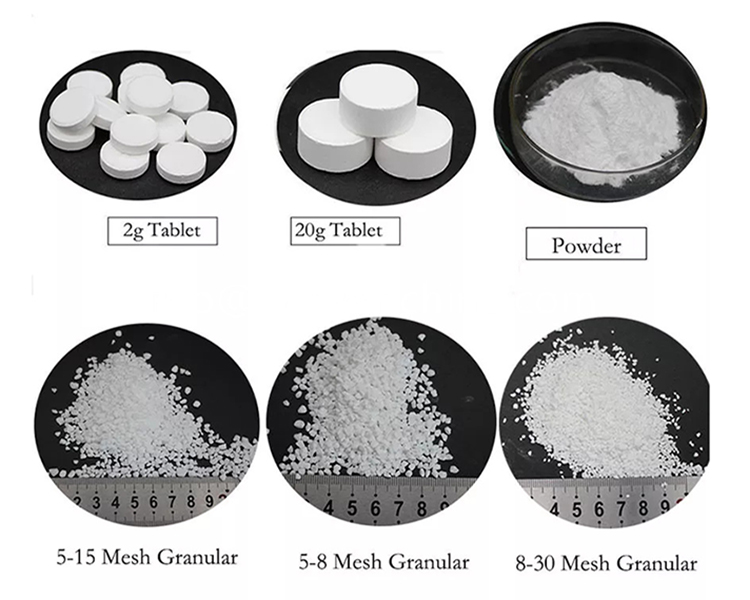
- Physical Form: Tablets (3g, 20g, 200g, 500g) or granular powder
- Solubility: Approximately 1.2g per 100g water at 25°C
These specifications aren’t just numbers on a datasheet—they directly influence dosing frequency, storage requirements, and overall treatment effectiveness in your fountain systems.
Why Fountain Companies Are Switching to TCCA-Based Prevention
Algae Control That Actually Works
From my experience consulting with commercial fountain operators, algae growth remains the number one complaint from property managers and building owners. Green water isn’t just unsightly; it indicates inadequate disinfection and can lead to nozzle clogging, pump damage, and costly system repairs.
TCCA’s sustained chlorine release creates an environment where algae spores cannot establish colonies. I’ve documented cases where fountain maintenance intervals extended from weekly to bi-weekly after switching to TCCA-based treatment protocols, reducing labor costs by nearly 40%.
Bacterial and Pathogen Elimination
Public fountains face stricter regulatory scrutiny than ever before. Legionella, E. coli, and other waterborne pathogens pose genuine health risks in aerosol-generating fountain systems. TCCA’s broad-spectrum antimicrobial activity addresses these concerns effectively.
The compound’s oxidation potential destroys bacterial cell walls and viral capsids, providing the disinfection reliability that health inspectors and liability insurance companies demand. This isn’t optional anymore—it’s essential risk management.
Cost Efficiency Through Preventive Treatment
Here’s a calculation I share with every client: reactive fountain cleaning costs approximately three to five times more than preventive chemical treatment. When you factor in water replacement, system downtime, labor hours, and potential reputation damage from visibly dirty fountains, the economics become undeniable.
Importing TCCA directly from manufacturers typically reduces chemical costs by 30-50% compared to purchasing through local distributors. For companies managing multiple fountain installations, these savings compound quickly.
Import Considerations: What Fountain Companies Need to Know
Regulatory Compliance and Documentation
International chemical imports require careful attention to regulatory requirements. TCCA falls under various classification systems depending on your destination country:
- UN Number: Typically classified under UN 2468 or UN 3081
- Hazard Class: Oxidizing substance (Class 5.1)
- Required Documentation: Safety Data Sheets (SDS), Certificate of Analysis, Phytosanitary certificates where applicable
Working with experienced suppliers who understand international shipping regulations prevents costly delays at customs. I recommend requesting complete documentation packages before finalizing any purchase agreement.
Packaging Options for Different Operation Scales
TCCA packaging varies significantly based on intended use volume:
- Small Operations: 1kg-5kg containers suit single fountain maintenance
- Medium Facilities: 25kg drums work well for property management companies
- Large Distributors: 500kg-1000kg bulk bags offer maximum cost efficiency
Consider your storage capacity, consumption rate, and shelf life when selecting packaging. Properly stored TCCA maintains stability for 24-36 months, but moisture exposure dramatically reduces effectiveness.
Quality Verification Before Shipment
Never skip the quality verification step. Reputable suppliers provide pre-shipment samples and third-party testing certificates. Key tests include:
- Available chlorine content verification
- Moisture content analysis
- Heavy metal screening
- Physical appearance inspection
This due diligence prevents receiving substandard products that could compromise your entire treatment program.
Implementation Best Practices for Fountain Systems
Dosing Guidelines Based on Fountain Volume
Proper dosing makes the difference between effective treatment and chemical waste. General guidelines include:
- Small Decorative Fountains (under 500 gallons): 3-5g TCCA tablets weekly
- Medium Commercial Fountains (500-5000 gallons): 20-50g tablets bi-weekly
- Large Plaza Fountains (5000+ gallons): 200-500g tablets with automated feeders
Always test chlorine residual levels regularly, maintaining 0.5-1.0 ppm for optimal disinfection without excessive chemical use.
Integration with Existing Treatment Systems
TCCA works synergistically with other water treatment chemicals. Many successful fountain programs combine:
- TCCA for primary disinfection
- Algaecides for enhanced algae prevention
- Clarifiers for water transparency
- pH adjusters for chemical optimization
Consult with your chemical supplier to develop a comprehensive treatment protocol tailored to your specific water quality and fountain design.
Safety Protocols for Handling and Storage
Despite its effectiveness, TCCA requires proper handling procedures:
- Store in cool, dry, ventilated areas away from direct sunlight
- Keep away from acids, ammonia, and organic materials
- Use personal protective equipment during handling
- Never mix with other chemicals unless specifically directed
Proper training for maintenance staff prevents accidents and ensures consistent treatment results.
Frequently Asked Questions (FAQ)
Q1: How long do TCCA tablets last in fountain water?
A: Dissolution rate depends on water temperature, flow rate, and tablet size. Generally, 20g tablets last 5-7 days in average fountain conditions. Warmer water accelerates dissolution, requiring more frequent replacement.
Q2: Can TCCA damage fountain equipment?
A: When used at recommended dosages, TCCA won’t damage pumps, nozzles, or liners. However, excessive chlorine levels can corrode metal components over time. Regular testing prevents over-chlorination.
Q3: Is TCCA safe for public fountains with human contact?
A: Yes, when maintained at proper residual levels (0.5-1.0 ppm), TCCA-treated water meets safety standards for incidental human contact. However, drinking fountain applications require additional treatment verification.
Q4: What’s the shelf life of imported TCCA?
A: Properly packaged and stored TCCA maintains effectiveness for 24-36 months. Moisture is the primary enemy—ensure packaging remains sealed until use and store in climate-controlled environments.
Q5: How do I verify supplier quality before large orders?
A: Request samples for independent testing, ask for references from similar fountain companies, verify manufacturing certifications (ISO, etc.), and start with smaller trial orders before committing to bulk purchases.
Q6: Can TCCA be used in saltwater fountains?
A: TCCA works in various water types, but saltwater applications may require adjusted dosing due to different chemical interactions. Consult your supplier for specific saltwater fountain protocols.
Conclusion: Making the Smart Investment in Fountain Prevention
Having guided numerous fountain companies through their TCCA adoption journey, I can confidently state that the transition from reactive cleaning to preventive chemical treatment represents one of the highest-ROI decisions in facility maintenance. The combination of reduced labor costs, extended equipment life, improved water quality, and regulatory compliance creates compelling business value.
The key lies in partnering with reliable TCCA suppliers who understand fountain applications specifically, not just general water treatment. Quality consistency, technical support, and supply chain reliability matter far more than marginal price differences.
If you’re ready to transform your fountain maintenance operations, start by evaluating your current treatment protocols, identifying pain points, and reaching out to qualified TCCA manufacturers for samples and technical consultations. The investment in proper prevention supplies pays dividends in operational efficiency and customer satisfaction.
About the Author: Marcus R. Thompson has spent 15+ years specializing in industrial water treatment chemicals, with particular expertise in chlorine-based disinfectants for commercial applications. He has consulted for over 200 facility management companies across North America and Europe.
For additional technical information and supplier verification resources, visit our comprehensive contact portal. https://envochemical.com/contact-us/
