
Calcium Hypochlorite for Swimming Pools: Solutions Approved Shock Operator
Introduction
Maintaining crystal-clear, safe swimming pool water requires reliable disinfection solutions that deliver consistent results. Among the various pool sanitizers available in the market, calcium hypochlorite stands out as a trusted choice for commercial pool operators, municipal facilities, and recreational water parks worldwide. This powerful oxidizing agent provides effective shock treatment capabilities while ensuring optimal water quality standards are met consistently.
As a leading chemical industry specialist, we understand the critical importance of selecting the right pool shock operator for your water treatment needs. This comprehensive guide explores everything B2B buyers need to know about calcium hypochlorite solutions, including technical specifications, application methods, safety considerations, and procurement strategies that ensure regulatory compliance and operational efficiency.
Understanding Calcium Hypochlorite: The Science Behind Pool Shock Treatment
Chemical Composition and Properties
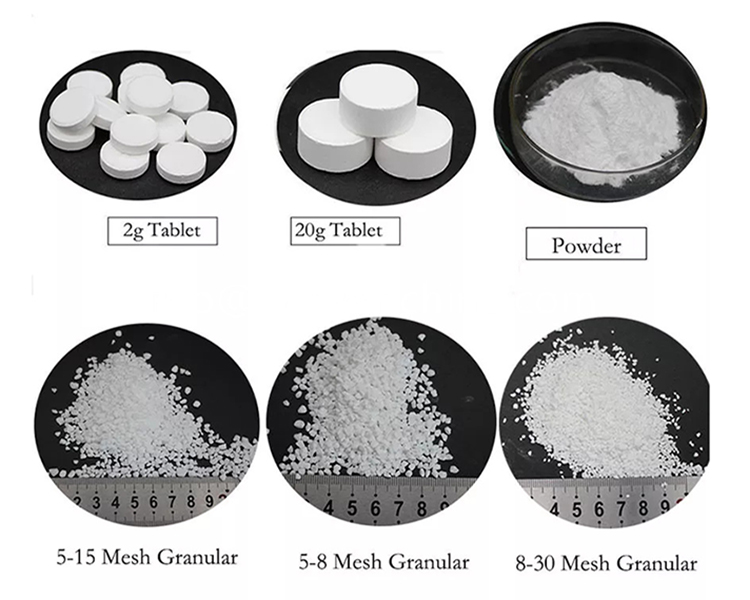
Calcium hypochlorite (Ca(ClO)₂) is an inorganic compound that serves as a primary source of available chlorine for water disinfection applications. This white granular or tablet-form chemical typically contains 65-70% available chlorine, making it significantly more concentrated than liquid bleach alternatives. The compound releases hypochlorous acid when dissolved in water, which acts as the active sanitizing agent that eliminates bacteria, viruses, and algae from pool water.
The molecular structure of calcium hypochlorite provides several advantages over competing products. Its solid form ensures extended shelf life when stored properly, while the high chlorine concentration means less product is required to achieve target disinfection levels. This translates to reduced storage space requirements and lower transportation costs for bulk purchasers.
Why Calcium Hypochlorite Remains the Industry Standard
Pool operators worldwide continue to rely on calcium hypochlorite for several compelling reasons. First, the rapid dissolution rate enables quick shock treatment responses during peak usage periods or contamination events. Second, the stable chemical composition maintains potency over extended storage periods when kept in cool, dry conditions away from direct sunlight.
Third, calcium hypochlorite delivers predictable performance across varying water temperatures and pH levels, making it suitable for diverse climatic conditions. Finally, the cost-effectiveness of bulk purchasing makes it an economically sound choice for commercial facilities managing multiple pools or large water volumes.
Approved Shock Operator Solutions for Commercial Applications
Selecting the Right Grade for Your Facility
Not all calcium hypochlorite products are created equal. Commercial-grade formulations differ significantly from consumer retail versions in terms of purity, particle size, and additive content. B2B buyers should prioritize NSF-certified products that meet ANSI/NSF Standard 60 for drinking water treatment chemicals, ensuring regulatory compliance and liability protection.
Industrial facilities should request certificates of analysis (COA) from suppliers to verify chlorine content, moisture levels, and impurity specifications. Premium-grade calcium hypochlorite typically maintains 68-70% available chlorine with minimal calcium carbonate buildup, reducing the risk of cloudy water or surface staining in pool environments.
Dosage Guidelines and Application Protocols
Proper dosing is critical for effective shock treatment while avoiding over-chlorination that can damage pool equipment or irritate swimmers. Standard shock treatment protocols recommend 1 pound of calcium hypochlorite per 10,000 gallons of water to raise free chlorine levels by approximately 10 ppm. However, specific requirements vary based on pool usage patterns, bather loads, and environmental factors.
Automated dosing systems provide consistent application rates while minimizing manual handling risks. These systems integrate with pool monitoring equipment to trigger shock treatments when chlorine levels drop below predetermined thresholds. For facilities without automated systems, established standard operating procedures (SOPs) should document mixing ratios, application timing, and safety precautions for staff members.
Safety Considerations and Regulatory Compliance
Storage and Handling Best Practices
Calcium hypochlorite requires careful storage to maintain product integrity and prevent hazardous reactions. The chemical should be kept in original, sealed containers within dedicated chemical storage areas that maintain temperatures below 85°F (29°C). Storage facilities must provide adequate ventilation, moisture control, and separation from incompatible materials including acids, ammonia, and organic compounds.
Personnel handling calcium hypochlorite should wear appropriate personal protective equipment (PPE) including chemical-resistant gloves, safety goggles, and respiratory protection when dealing with dust or concentrated solutions. Emergency response procedures should be documented and readily accessible, including spill containment protocols and first aid measures for accidental exposure.
Environmental and Discharge Regulations
Pool operators must comply with local, state, and federal regulations governing chemical discharge and environmental protection. Many jurisdictions require permits for facilities using significant quantities of disinfection chemicals, with regular reporting on usage volumes and disposal methods. Wastewater containing elevated chlorine levels may require neutralization before discharge to municipal sewer systems or natural water bodies.
Sustainable procurement practices increasingly influence supplier selection criteria. B2B buyers should evaluate manufacturers’ environmental management systems, waste reduction initiatives, and carbon footprint commitments when establishing long-term supply partnerships.
Procurement Strategies for B2B Buyers
Evaluating Supplier Capabilities
When sourcing calcium hypochlorite for commercial operations, supplier reliability matters as much as product quality. Established manufacturers with proven track records provide consistent supply chains, technical support, and emergency response capabilities during peak demand periods. Request references from similar facilities and verify supplier certifications including ISO 9001 quality management standards.
Bulk purchasing agreements often deliver significant cost savings compared to spot market transactions. Long-term contracts with fixed pricing protect against market volatility while ensuring priority allocation during supply constraints. However, buyers should maintain relationships with multiple qualified suppliers to mitigate single-source dependency risks.
Quality Assurance and Testing Protocols
Incoming product verification protects facilities from substandard materials that could compromise water quality or equipment integrity. Establish receiving inspection procedures that include visual examination, documentation review, and periodic laboratory testing of chlorine content and impurity levels. Maintain detailed records of all shipments for traceability and compliance auditing purposes.
Regular water quality testing validates treatment effectiveness and identifies potential issues before they escalate. Comprehensive testing protocols should monitor free chlorine, combined chlorine, pH, total alkalinity, calcium hardness, and cyanuric acid levels according to industry best practices and local health department requirements.
Conclusion
Calcium hypochlorite remains the gold standard for swimming pool shock treatment across commercial, municipal, and recreational facilities worldwide. Its proven effectiveness, cost efficiency, and reliable performance make it an essential component of comprehensive water treatment programs. By understanding product specifications, application protocols, safety requirements, and procurement strategies, B2B buyers can make informed decisions that protect public health while optimizing operational budgets.
Partnering with experienced chemical suppliers who understand your specific needs ensures consistent access to high-quality calcium hypochlorite solutions backed by technical expertise and responsive customer service. Whether managing a single community pool or operating a multi-facility water park network, the right shock operator solutions deliver peace of mind and measurable results.
Frequently Asked Questions (FAQ)
Q1: What is the typical shelf life of calcium hypochlorite for pool treatment?
A: When stored properly in cool, dry conditions away from direct sunlight and moisture, calcium hypochlorite maintains its potency for 2-3 years from the manufacturing date. However, chlorine content gradually degrades over time, so regular testing of stored product is recommended for critical applications.
Q2: How does calcium hypochlorite compare to sodium hypochlorite for pool shock treatment?
A: Calcium hypochlorite offers higher available chlorine concentration (65-70% vs. 10-15%), longer shelf life, and reduced storage volume requirements. However, it adds calcium to pool water, which may require monitoring to prevent scaling in hard water conditions.
Q3: What certifications should I look for when purchasing calcium hypochlorite for commercial pools?
A: Priority certifications include NSF/ANSI Standard 60 for drinking water treatment chemicals, ISO 9001 for quality management systems, and compliance with local health department requirements. Request certificates of analysis with each shipment to verify product specifications.
Q4: Can calcium hypochlorite be used in saltwater pool systems?
A: Yes, calcium hypochlorite can supplement salt chlorine generators during periods of high demand or equipment maintenance. However, regular monitoring of calcium hardness levels is essential to prevent scaling on salt cells and pool surfaces.
Q5: What emergency procedures should be in place for calcium hypochlorite storage areas?
A: Facilities should maintain spill containment kits, emergency eyewash stations, and safety showers near chemical storage areas. Staff training should cover proper spill response, fire suppression methods (never use water on calcium hypochlorite fires), and evacuation procedures for significant releases.
Ready to explore premium calcium hypochlorite solutions for your swimming pool operations? Visit our contact page to connect with our technical sales team and request customized quotations for your facility requirements. https://envochemical.com/contact-us/
