
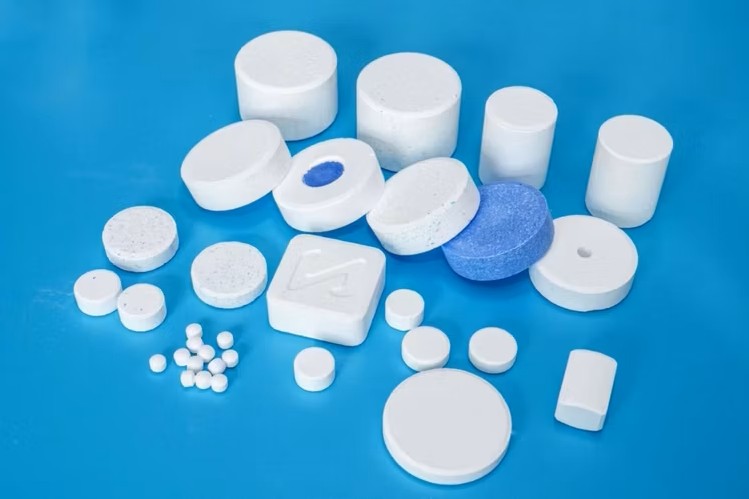
SDIC Importers for Pool Operators: Tablets Chlorine Stabilized Effective Cost
Introduction
In the competitive swimming pool maintenance industry, finding reliable sources for high-quality disinfection products is crucial for business success. Pool operators worldwide face the ongoing challenge of maintaining water quality while managing operational costs effectively. Sodium Dichloroisocyanurate (SDIC) stabilized chlorine tablets have emerged as a preferred solution for commercial and residential pool maintenance, offering superior disinfection power with extended stability.
This comprehensive guide explores the essential aspects of sourcing SDIC chlorine tablets from trusted importers, analyzing cost-effectiveness, and understanding the technical advantages of stabilized chlorine formulations. Whether you operate a hotel resort, municipal swimming facility, or pool maintenance company, making informed purchasing decisions can significantly impact your bottom line and service quality.
Understanding SDIC Chlorine Tablets
Chemical Composition and Properties
Sodium Dichloroisocyanurate, commonly known as SDIC, is a chlorinated isocyanurate compound with the chemical formula C₃Cl₂N₃NaO₃ and CAS number 2893-78-9. This powerful disinfectant contains 56-60% available chlorine, making it highly effective for water treatment applications. The compound appears as white powder, granules, or compressed tablets, with the tablet form being particularly popular for pool maintenance due to its slow-dissolving characteristics.
The key advantage of SDIC lies in its stabilized chlorine formulation. Unlike unstabilized chlorine products, SDIC contains cyanuric acid (CYA) as a built-in stabilizer. This component protects chlorine from rapid degradation caused by ultraviolet radiation from sunlight, extending the disinfectant’s effective life in outdoor pools by up to three times compared to non-stabilized alternatives.
Application Advantages for Pool Operators
Pool operators benefit from SDIC tablets in multiple ways. The slow-dissolving nature ensures consistent chlorine release over 5-7 days, reducing the frequency of chemical dosing and labor costs. The stabilized formula maintains effective chlorine residuals even in high-temperature conditions and direct sunlight exposure. Additionally, SDIC tablets are easy to store, handle, and apply through floating dispensers or automatic feeders, minimizing safety risks associated with chemical handling.
Cost-Effectiveness Analysis
Wholesale Pricing Structure
Understanding the wholesale pricing structure is essential for pool operators seeking to optimize their chemical procurement budgets. Current market data indicates that SDIC granular products typically range from USD 780-850 per metric ton for bulk orders, while TCCA (Trichloroisocyanuric Acid) tablets command prices between USD 700-1050 per ton depending on chlorine content and tablet specifications.
For pool operators purchasing 3-inch, 200-gram tablets, the per-unit cost becomes more relevant than bulk tonnage pricing. Wholesale suppliers typically offer tiered pricing based on order volume, with significant discounts available for container-load quantities. Minimum order quantities generally start at 10-20 tons for direct manufacturer relationships, though distributors may accommodate smaller orders at slightly higher per-unit costs.
Total Cost of Ownership Considerations
Effective cost analysis extends beyond initial purchase price. Pool operators must consider the total cost of ownership, including product efficiency, dissolution rate, storage requirements, and labor implications. SDIC tablets’ slow-dissolving特性 means fewer applications are needed compared to granular chlorine shock treatments, reducing labor costs and chemical consumption over time.
Stabilized chlorine products also reduce chlorine loss from UV degradation, meaning less product is required to maintain target chlorine residuals. This efficiency translates to 20-30% lower annual chemical costs for outdoor pools compared to unstabilized alternatives. Additionally, the extended shelf life of properly stored SDIC tablets (up to 2 years) minimizes waste from product degradation.
Selecting Reliable SDIC Importers
Quality Certification Requirements
When evaluating potential SDIC importers, pool operators should prioritize suppliers with internationally recognized quality certifications. Look for manufacturers complying with ISO 9001 quality management standards, REACH registration for European markets, and EPA registration for North American distribution. These certifications ensure consistent product quality, proper labeling, and regulatory compliance.
Request comprehensive product documentation including Certificate of Analysis (COA), Material Safety Data Sheet (MSDS), and batch testing results. Reputable suppliers should provide chlorine content verification, pH specifications (typically 6.0-7.0), moisture content data, and dissolution rate information for each production batch.
Supply Chain Reliability Factors
Reliable supply chains are critical for pool operators who cannot afford service interruptions. Evaluate importers based on their production capacity, inventory levels, shipping capabilities, and geographic location relative to your operations. Manufacturers with multiple production facilities offer better supply security during peak swimming seasons when demand surges.
Consider transportation logistics and lead times when selecting suppliers. Proximity to major ports like Qingdao, Tianjin, or Shanghai can reduce shipping costs and delivery times for international buyers. Established importers should offer flexible shipping options including FOB, CIF, and DDP terms to accommodate different procurement preferences.
Technical Support and Service
Product Training and Guidance
Quality SDIC importers provide comprehensive technical support beyond simple product supply. This includes application rate calculations, water chemistry troubleshooting, safety training, and regulatory compliance guidance. Pool operators benefit from suppliers who understand local water quality challenges and can recommend appropriate treatment protocols.
Request access to technical documentation including dosage charts, compatibility information with other pool chemicals, and storage guidelines. Some suppliers offer online calculators, mobile applications, or dedicated support hotlines to assist with day-to-day operational questions.
Customization Options
Different pool operations have unique requirements based on facility size, bather load, and water source characteristics. Leading importers offer customization options including tablet size variations (from 25 grams to 500 grams), alternative packaging configurations, and private labeling opportunities for distributors seeking branded products.
FAQ: Common Questions About SDIC Chlorine Tablets
Q1: What is the difference between SDIC and TCCA chlorine tablets?
A: SDIC (Sodium Dichloroisocyanurate) contains approximately 56-60% available chlorine and dissolves faster than TCCA (Trichloroisocyanuric Acid), which contains 90% available chlorine. SDIC is typically used for regular maintenance dosing, while TCCA is preferred for long-lasting chlorine release in automatic feeders. Both contain cyanuric acid stabilizer.
Q2: How long do SDIC tablets last in a swimming pool?
A: Standard 200-gram SDIC tablets typically dissolve completely over 5-7 days in average pool conditions. Dissolution rate varies based on water temperature, circulation rate, and tablet placement. Higher temperatures and increased water flow accelerate dissolution.
Q3: What is the recommended chlorine level for swimming pools?
A: Most health authorities recommend maintaining free chlorine residuals between 1.0-3.0 ppm for residential pools and 3.0-5.0 ppm for commercial facilities. Cyanuric acid levels should be maintained between 30-50 ppm for optimal chlorine stabilization without reducing disinfection effectiveness.
Q4: Can SDIC tablets be used in saltwater pools?
A: Yes, SDIC tablets can supplement chlorine production in saltwater pools during periods of high bather load, equipment maintenance, or when salt chlorinator output is insufficient. However, regular monitoring of cyanuric acid levels is essential to prevent over-stabilization.
Q5: What storage conditions are required for SDIC tablets?
A: Store SDIC tablets in a cool, dry, well-ventilated area away from direct sunlight and moisture. Maintain temperatures below 25°C and relative humidity under 70%. Keep containers tightly sealed and separate from incompatible materials including acids, ammonia, and organic compounds. Properly stored products maintain effectiveness for up to 24 months.
Q6: How do I calculate the correct SDIC dosage for my pool?
A: Dosage depends on pool volume, current chlorine levels, and bather load. As a general guideline, one 200-gram tablet treats approximately 10,000-15,000 liters of water for maintenance dosing. Use a pool volume calculator and test kits to determine precise requirements based on your specific conditions.
Partnering with experienced SDIC importers ensures consistent access to high-quality stabilized chlorine tablets while optimizing your pool maintenance costs. By understanding product specifications, pricing structures, and supplier evaluation criteria, pool operators can make informed procurement decisions that support both water quality standards and business profitability.
