
Calcium Hypochlorite Importers for Public Facilities: Pros Chlorine Facility Durable
Introduction
In the modern era of public infrastructure management, maintaining safe and hygienic environments has become a critical priority for facility operators worldwide. Calcium hypochlorite stands out as one of the most reliable disinfection solutions for public facilities, offering exceptional chlorine stability and long-lasting protection against harmful microorganisms. As governments and private organizations invest heavily in public health infrastructure, the demand for durable chlorine facilities continues to grow exponentially.
This comprehensive guide explores why calcium hypochlorite importers play a vital role in supporting public facilities, from swimming pools and water treatment plants to municipal sanitation systems. We will examine the key advantages of this powerful disinfectant, discuss important considerations for facility managers, and provide actionable insights for selecting the right supplier partnership.
Understanding Calcium Hypochlorite for Public Applications
What Makes Calcium Hypochlorite Unique?
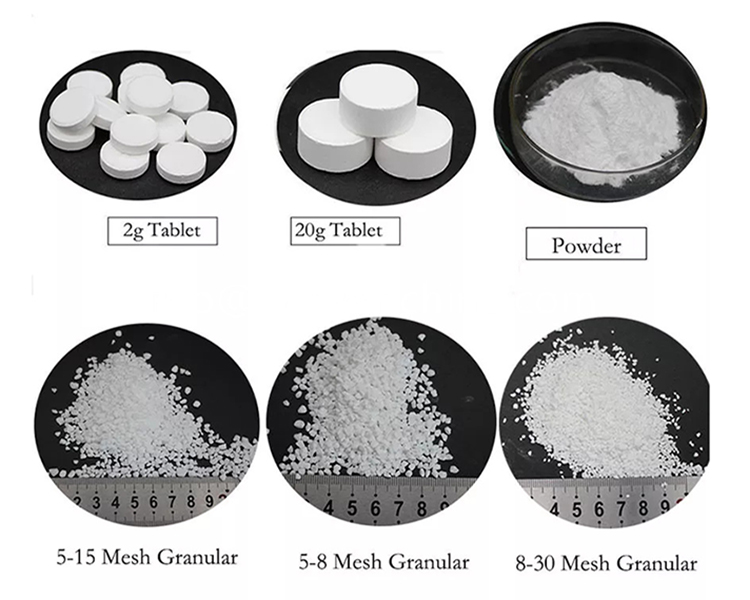
Calcium hypochlorite is a chemical compound with the formula Ca(OCl)₂, widely recognized for its high available chlorine content, typically ranging from 65% to 70%. This superior concentration makes it significantly more effective than many alternative disinfectants on the market. The compound appears as a white or slightly yellow granular solid that dissolves readily in water, releasing hypochlorous acid—the active sanitizing agent responsible for eliminating bacteria, viruses, and algae.
For public facilities, this translates to fewer chemical applications, reduced storage requirements, and lower overall operational costs. The stability of calcium hypochlorite ensures consistent performance even under varying environmental conditions, making it ideal for large-scale applications where reliability cannot be compromised.
Key Applications in Public Facilities
Public facilities encompass a wide range of environments that require rigorous disinfection protocols. Swimming pools and aquatic centers represent one of the most common applications, where calcium hypochlorite maintains water clarity and prevents the spread of waterborne illnesses. Municipal water treatment facilities rely on this compound to ensure drinking water meets stringent safety standards before reaching consumers.
Beyond water treatment, calcium hypochlorite serves critical functions in wastewater management, hospital sanitation, school facilities, and public recreational areas. The versatility of this disinfectant allows facility managers to standardize their chemical procurement while addressing multiple sanitation challenges with a single, proven solution.
Advantages of Partnering with Professional Importers
Quality Assurance and Compliance
Reputable calcium hypochlorite importers understand the regulatory landscape governing chemical distribution in public sector applications. They maintain comprehensive quality control systems that ensure every batch meets international standards including ISO certifications and local environmental regulations. This commitment to compliance protects facility operators from potential liability issues while guaranteeing consistent product performance.
Professional importers also provide detailed documentation including safety data sheets, certificates of analysis, and batch tracking information. This transparency enables facility managers to maintain accurate records for regulatory audits and demonstrates due diligence in protecting public health.
Supply Chain Reliability and Logistics
Public facilities cannot afford interruptions in their disinfection supply chains. Established importers maintain strategic inventory levels and multiple distribution channels to ensure uninterrupted product availability. They understand the critical nature of public health operations and prioritize timely delivery even during peak demand periods or unexpected supply disruptions.
Advanced logistics capabilities allow importers to serve facilities across diverse geographic regions while maintaining product integrity throughout transportation. Proper packaging and handling procedures prevent degradation during transit, ensuring that calcium hypochlorite arrives at its destination with full potency intact.
Technical Support and Expertise
Beyond product supply, professional importers offer valuable technical assistance that helps facility operators optimize their disinfection protocols. Their expertise covers proper dosing calculations, storage recommendations, safety procedures, and troubleshooting common application challenges. This knowledge transfer empowers facility staff to maximize the effectiveness of their chlorine facilities while minimizing waste and operational risks.
Many importers also provide training programs and educational resources that keep facility personnel updated on best practices and emerging industry standards. This ongoing support relationship creates long-term value that extends far beyond the initial transaction.
Selecting the Right Calcium Hypochlorite Supplier
Evaluating Supplier Credentials
When choosing a calcium hypochlorite importer for public facilities, thorough due diligence is essential. Begin by verifying the supplier’s business licenses, import-export certifications, and industry memberships. Reputable companies willingly share this information and can provide references from similar public sector clients.
Examine the supplier’s track record in handling large-volume orders and serving government contracts. Experience in public facility applications indicates familiarity with specific procurement requirements, bidding processes, and compliance standards that private sector suppliers may not understand.
Assessing Product Specifications
Not all calcium hypochlorite products are created equal. Request detailed specifications including available chlorine percentage, moisture content, stability ratings, and shelf life information. Higher chlorine content generally indicates better value and reduced storage requirements, but ensure the product matches your facility’s specific application needs.
Consider packaging options that align with your facility’s handling capabilities and storage infrastructure. Bulk packaging may offer cost advantages for large operations, while smaller containers provide flexibility for facilities with limited storage space or varying consumption rates.
Understanding Total Cost of Ownership
While unit price is an important consideration, facility managers should evaluate the total cost of ownership when selecting a calcium hypochlorite supplier. Factor in shipping costs, storage requirements, product stability, application efficiency, and any additional services included in the supply agreement.
A slightly higher upfront cost may prove more economical over time if the product offers superior stability, reduced waste, or includes valuable technical support services. Calculate the cost per effective chlorine unit rather than focusing solely on price per kilogram to make accurate comparisons between suppliers.
Building Long-Term Supplier Relationships
Communication and Responsiveness
Effective communication forms the foundation of successful supplier relationships. Choose importers who demonstrate responsiveness to inquiries, provide clear timelines for order fulfillment, and maintain open channels for addressing concerns or modifications. Public facilities often face changing requirements, and flexible suppliers adapt quickly to evolving needs.
Regular communication also enables proactive planning for seasonal demand fluctuations, budget cycles, and infrastructure upgrades. Suppliers who understand your facility’s operational calendar can better anticipate requirements and prevent potential shortages.
Continuous Improvement Partnership
The best supplier relationships evolve into partnerships focused on continuous improvement. Look for importers who actively seek feedback, propose efficiency enhancements, and stay informed about emerging technologies in water treatment and disinfection. This collaborative approach drives ongoing optimization of your facility’s sanitation programs.
Suppliers committed to long-term relationships often invest in understanding your specific challenges and customizing solutions accordingly. This personalized service creates mutual value and strengthens the partnership over time.
Conclusion
Calcium hypochlorite remains an indispensable solution for public facilities seeking reliable, effective, and economical disinfection capabilities. By partnering with professional importers who understand the unique requirements of public sector operations, facility managers can ensure consistent water quality, protect public health, and optimize operational budgets.
The key to success lies in selecting suppliers who combine quality products with comprehensive support services, regulatory compliance, and supply chain reliability. Take time to evaluate potential partners thoroughly, considering both immediate needs and long-term strategic objectives. With the right calcium hypochlorite importer, your public facility can maintain the highest standards of sanitation and safety for years to come.
Frequently Asked Questions
Q1: What is the typical shelf life of calcium hypochlorite for public facilities?
A: Properly stored calcium hypochlorite maintains its effectiveness for 12 to 24 months. Storage conditions significantly impact shelf life—keep products in cool, dry areas away from direct sunlight and moisture. Professional importers provide specific storage guidelines to maximize product longevity.
Q2: How do I calculate the correct dosage for my public facility?
A: Dosage depends on water volume, contamination levels, and specific application requirements. Most importers offer technical support to help calculate appropriate dosing rates. Generally, swimming pools require 1-3 ppm of available chlorine, while drinking water treatment typically uses 0.5-2 ppm depending on source water quality.
Q3: What safety precautions should facility staff follow when handling calcium hypochlorite?
A: Always wear appropriate personal protective equipment including gloves, eye protection, and respiratory protection when handling dry calcium hypochlorite. Store away from organic materials, acids, and reducing agents. Ensure adequate ventilation in storage and application areas. Comprehensive safety training is essential for all personnel handling this chemical.
Q4: Can calcium hypochlorite be used in all types of public water systems?
A: Calcium hypochlorite is suitable for most public water applications including swimming pools, drinking water treatment, and wastewater disinfection. However, specific water chemistry may affect optimal usage. Consult with your supplier to ensure compatibility with your facility’s particular water characteristics and treatment objectives.
Q5: How do I verify the quality of calcium hypochlorite from importers?
A: Request certificates of analysis for each batch, verify supplier certifications, and consider third-party testing for critical applications. Reputable importers maintain transparent quality documentation and welcome facility audits. Regular testing of treated water ensures the product performs as expected in your specific application.
Ready to explore calcium hypochlorite solutions for your public facility? Visit our contact page to connect with our expert team: https://envochemical.com/contact-us/
