
TCCA Manufacturers for Distributors: Bulk Resale Opportunities
By Marcus Thorne
Navigating the chemical distribution landscape in 2026 requires more than just a catalog and a warehouse. It demands a strategic partnership with manufacturers who understand the nuances of supply chain resilience. For distributors eyeing the water treatment and sanitation sectors, Trichloroisocyanuric Acid (TCCA) remains a cornerstone product. However, not all sourcing channels are created equal. Having spent years advising supply chain managers on chemical procurement, I have seen how the right manufacturing partner can transform a distributor’s margin structure and market reputation.
The Evolving Demand for Stable Disinfectants
The global conversation around public health and water safety has shifted significantly over the last few years. While the acute phases of past pandemics have settled, the infrastructure for hygiene has become permanent. Municipalities, industrial cooling towers, and recreational water facilities now require consistent, high-purity chlorinating agents. Market analysis suggests a steady compound annual growth rate hovering around 4.6% through the early 2030s. This isn’t just a spike; it is a structural baseline.
For distributors, this stability is a double-edged sword. It guarantees demand, but it also intensifies competition. Your clients are no longer just asking for price; they are asking for reliability. They need to know that the 50kg drums arriving at their facility in September will have the same active chlorine content as the batch delivered in March. This is where selecting the correct TCCA manufacturers becomes critical. You are not just buying a chemical; you are buying consistency.
Vetting Manufacturers for Bulk Resale
When I consult with distribution firms looking to expand their portfolio, I always emphasize three non-negotiable criteria when vetting a TCCA supplier. First is production capacity. In the bulk resale game, stockouts are fatal. A manufacturer might offer a rock-bottom price, but if they cannot fulfill a sudden surge in order volume during peak swimming season, your reputation takes the hit, not theirs. Look for partners with verified output metrics and backup production lines.
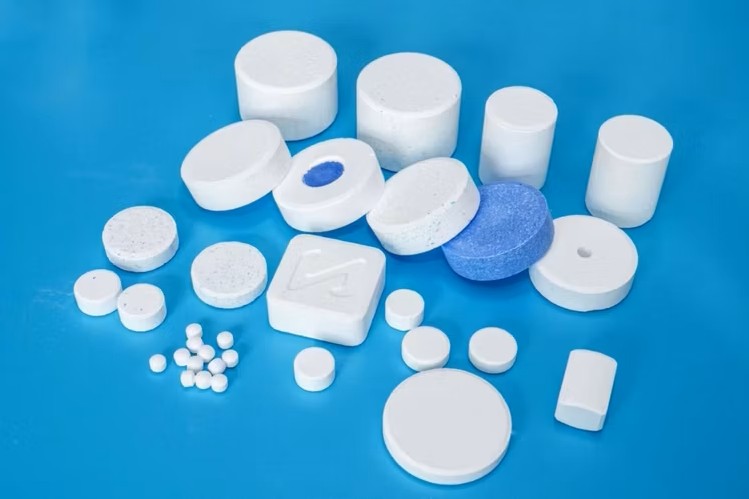
Secondly, consider the technical specifications. TCCA comes in various forms—tablets, granules, and powder. Each has its specific application niche. High-end distributors should seek manufacturers who provide detailed Certificate of Analysis (CoA) documentation for every batch. Active chlorine content should consistently meet or exceed 90% for premium grades. I have seen too many deals sour because a distributor accepted a generic spec sheet only to face customer complaints about dissolution rates later.
The third factor is often overlooked: packaging integrity. TCCA is sensitive to moisture. If the manufacturer uses substandard sealing on their bulk bags or drums, the product can degrade before it even reaches your end customer. A true partner will invest in moisture-resistant packaging and provide clear storage guidelines. This attention to detail reduces waste and protects your bottom line.
Logistics and Storage: The Hidden Profit Killers
Bulk resale opportunities often live or die in the logistics phase. Trichloroisocyanuric acid is stable when handled correctly, but it is classified as a hazardous substance for transport. Working with manufacturers who have established relationships with certified freight forwarders can save you weeks of administrative headache. In my experience, a manufacturer who handles the export documentation seamlessly allows your team to focus on sales rather than customs compliance.
Furthermore, storage conditions directly impact product longevity. When you purchase in bulk, you are essentially holding inventory that must remain potent. Ensure your warehouse facilities mimic the manufacturer’s recommendations: cool, dry, and away from direct sunlight. I recommend rotating stock strictly on a first-in, first-out basis. There is nothing more damaging to a B2B relationship than supplying a client with compromised material due to poor warehousing practices. By aligning your storage protocols with the manufacturer’s technical data, you extend the shelf life and maintain efficacy.
Building a Long-Term Supply Chain Strategy
The most successful distributors I know treat their manufacturers as extensions of their own business. This means open communication about forecasted demand and market trends. If you anticipate a large municipal contract, give your manufacturer a heads-up. This collaborative approach often secures you better pricing tiers and priority scheduling.
In 2026, the market is rewarding transparency. Clients want to know the origin of their chemicals and the safety standards upheld during production. Manufacturers who welcome third-party audits or provide virtual plant tours are typically the ones worth partnering with. They have nothing to hide and everything to prove.
Seizing the Opportunity
The window for securing profitable contracts in the water treatment sector is open, but it requires decisive action. Sourcing TCCA is not merely about finding the lowest cost per kilogram; it is about finding a partner who ensures quality, safety, and timely delivery. By focusing on manufacturers who prioritize these elements, distributors can build a resilient business model capable of weathering market fluctuations.
If you are ready to evaluate your current supply chain or explore new bulk resale avenues, it is time to initiate a dialogue with proven industry players. The right partnership today defines your market position tomorrow.
For those interested in discussing specific bulk requirements and compliance standards, you may reach out through our official contact channel.
