
Wholesale Calcium Hypochlorite for Importers: Trade-Ready Bulk
Introduction
In the global water treatment and disinfection industry, calcium hypochlorite stands as one of the most essential chemicals for maintaining safe and sanitary conditions. For importers seeking reliable wholesale suppliers, understanding the complexities of bulk calcium hypochlorite procurement is crucial for business success. This comprehensive guide addresses the critical considerations for international buyers looking to source trade-ready calcium hypochlorite in bulk quantities, ensuring compliance, quality, and competitive pricing for your distribution networks.
Understanding Calcium Hypochlorite: Product Specifications and Grades
Chemical Properties and Composition
Calcium hypochlorite (CAS Number: 7778-54-3) is a powerful oxidizing agent with the chemical formula Ca(ClO)₂. This white granular or tablet compound delivers effective chlorine content ranging from 65% to 70%, making it significantly more concentrated than alternative chlorine sources. The high available chlorine content ensures efficient disinfection while minimizing storage and transportation costs per unit of active ingredient.
Available Product Forms for Bulk Import
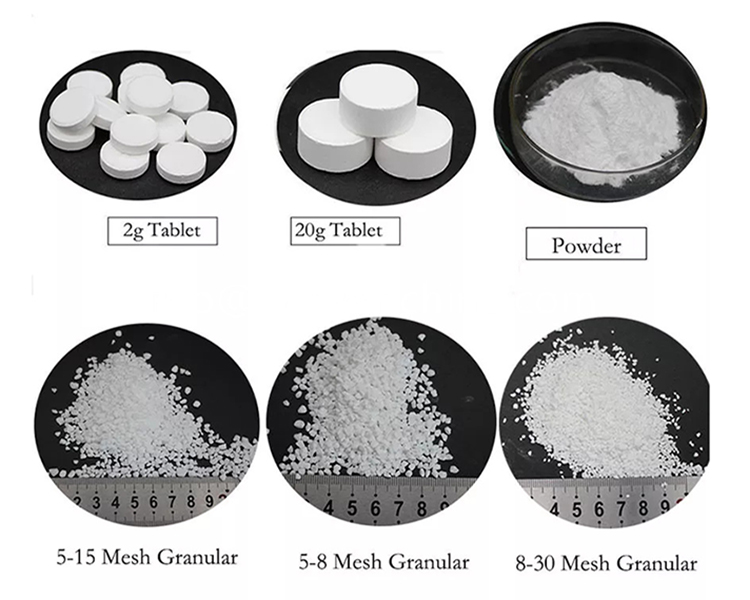
Wholesale calcium hypochlorite is available in multiple formulations to meet diverse market requirements:
Granular Grade (65-70%): Ideal for large-scale water treatment facilities and municipal applications. The granular form dissolves rapidly, enabling quick deployment in emergency disinfection scenarios.
Tablet Form (65-68%): Perfect for swimming pool maintenance and smaller-scale water treatment operations. Tablets provide controlled release and easier handling for retail distribution.
Powder Grade: Suitable for industrial bleaching applications and specialized chemical manufacturing processes requiring precise dosing capabilities.
Critical Considerations for International Importers
Regulatory Compliance and Documentation
Importing calcium hypochlorite requires meticulous attention to international hazardous materials regulations. As a Class 5.1 oxidizing substance, calcium hypochlorite carries UN Number 1748 for transportation purposes. Importers must ensure their suppliers provide complete documentation including:
- Safety Data Sheets (SDS) compliant with GHS standards
- Certificate of Analysis (CoA) for each batch
- Dangerous Goods Declaration for shipping
- Certificate of Origin for customs clearance
- IMDG Code compliance certification for sea freight
Quality Assurance and Testing Protocols
Reputable wholesale suppliers implement rigorous quality control measures throughout the manufacturing process. Key quality parameters include available chlorine content, moisture levels, heavy metal concentrations, and stability under various storage conditions. Importers should request third-party laboratory testing reports to verify product specifications before shipment departure.
Packaging and Shipping Requirements for Bulk Orders
Standard Packaging Options
Bulk calcium hypochlorite typically ships in the following configurations:
- 25kg Plastic Drums: Most common for general wholesale distribution
- 50kg Fiber Drums: Cost-effective for large volume orders
- 1000kg Bulk Bags: Suitable for industrial customers with high consumption rates
- Custom Packaging: Available upon request for specific market requirements
All packaging must bear proper UN certification marks and hazardous materials labeling according to international transportation regulations.
Ocean Freight and Logistics Considerations
Calcium hypochlorite requires specialized handling during ocean freight transportation. The chemical must be stored in cool, dry conditions away from incompatible materials including acids, organic compounds, and reducing agents. Importers should work with freight forwarders experienced in hazardous materials shipping to ensure proper container selection, stowage planning, and port handling procedures.
Lead times typically range from 15 to 30 days depending on destination ports, seasonal demand fluctuations, and current shipping capacity. Planning orders well in advance helps avoid supply chain disruptions and ensures consistent inventory levels for your distribution network.
Market Dynamics and Pricing Factors
Global Supply Chain Trends
The calcium hypochlorite market experiences various influences affecting availability and pricing. Manufacturing capacity concentrations in specific regions, raw material cost fluctuations, and environmental regulations all impact wholesale pricing structures. Importers should maintain relationships with multiple suppliers to mitigate supply risks and negotiate favorable terms.
Competitive Pricing Strategies
Wholesale calcium hypochlorite pricing depends on several factors including order volume, product specifications, packaging requirements, and delivery terms. Larger orders typically qualify for volume discounts, while long-term supply agreements provide price stability and priority allocation during high-demand periods.
Importers should evaluate total landed costs including freight, insurance, customs duties, and local handling charges rather than focusing solely on FOB prices. This comprehensive approach enables accurate margin calculations and competitive positioning in target markets.
Applications Driving Import Demand
Water Treatment and Municipal Supply
Municipal water treatment facilities represent the largest consumption segment for bulk calcium hypochlorite. The chemical’s effectiveness in eliminating bacteria, viruses, and other pathogens makes it indispensable for ensuring safe drinking water supplies. Growing urbanization and increasing water quality standards continue driving demand in developing markets.
Swimming Pool and Recreational Facilities
The swimming pool maintenance sector maintains consistent year-round demand for calcium hypochlorite tablets and granules. Seasonal peaks occur during summer months in temperate climates, requiring importers to plan inventory accordingly. Retail packaging options for this segment often differ from industrial bulk specifications.
Industrial and Agricultural Applications
Textile bleaching, food processing sanitation, and agricultural disinfection applications contribute significant demand volume. These sectors often require customized product specifications and dedicated supply arrangements to meet their unique operational requirements.
Building Successful Import Partnerships
Supplier Evaluation Criteria
Selecting the right wholesale supplier requires comprehensive due diligence. Key evaluation factors include manufacturing capacity, quality certification status, export experience, financial stability, and customer service capabilities. Site visits and reference checks provide valuable insights into supplier reliability and operational excellence.
Long-Term Supply Agreements
Establishing long-term partnerships with reliable suppliers offers numerous advantages including priority allocation, favorable pricing, technical support, and collaborative problem-solving. Importers should negotiate clear terms covering quality specifications, delivery schedules, payment conditions, and dispute resolution mechanisms.
Conclusion
Successfully importing wholesale calcium hypochlorite requires careful attention to product specifications, regulatory compliance, logistics planning, and supplier relationships. By understanding the critical factors outlined in this guide, importers can make informed decisions that protect their business interests while ensuring reliable supply for their customers. Partnering with experienced, compliant suppliers establishes the foundation for sustainable growth in the global water treatment and disinfection markets.
Frequently Asked Questions (FAQ)
Q1: What is the minimum order quantity for wholesale calcium hypochlorite?
A: Minimum order quantities typically start at 20 metric tons for granular products, though some suppliers accommodate smaller trial orders. Container load quantities (approximately 25-27 metric tons per 20ft container) offer the most cost-effective shipping rates.
Q2: How long does calcium hypochlorite remain stable during storage?
A: Properly stored calcium hypochlorite maintains its effectiveness for 12-24 months. Storage conditions should remain cool, dry, and well-ventilated, away from direct sunlight and incompatible materials.
Q3: What certifications should I request from suppliers?
A: Essential certifications include ISO 9001 quality management, REACH compliance for European markets, and appropriate hazardous materials handling certifications. Third-party testing reports verify product specifications.
Q4: Are there any import restrictions I should be aware of?
A: Import regulations vary by country. Some markets impose anti-dumping duties or require special permits for oxidizing substances. Consult with local customs authorities and trade compliance specialists before placing orders.
Q5: Can suppliers provide custom packaging for my brand?
A: Many wholesale suppliers offer private label packaging services including custom labeling, drum colors, and packaging configurations. Minimum quantities apply for customized packaging arrangements.
Ready to secure reliable calcium hypochlorite supply for your import business? Visit our contact page to discuss your specific requirements and receive a competitive quotation: https://envochemical.com/contact-us/
