
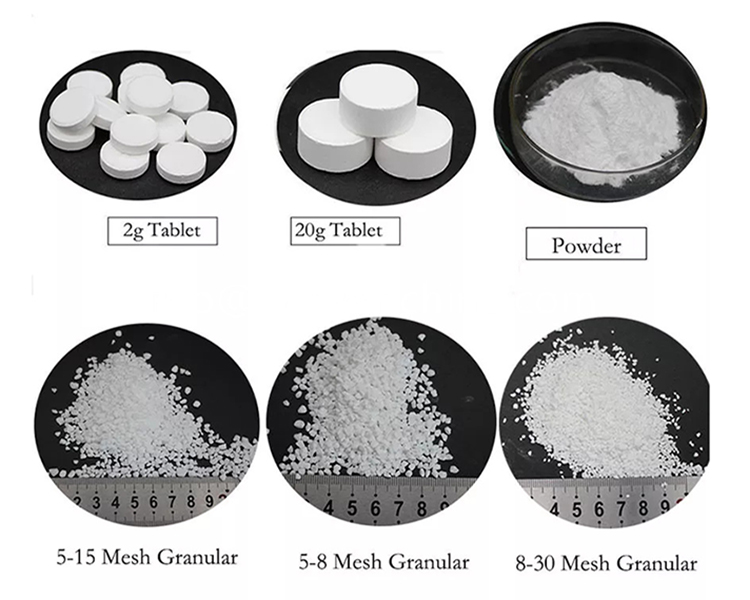
Bulk Buy SDIC for Aquaculture: Fish Farm Essentials
Introduction
Aquaculture operations face constant challenges in maintaining optimal water quality and preventing disease outbreaks. For fish farm managers and aquaculture business owners, finding reliable, cost-effective water treatment solutions is critical to protecting livestock and maximizing yields. Sodium Dichloroisocyanurate (SDIC) has emerged as an essential disinfectant for modern aquaculture facilities worldwide. This comprehensive guide explores why bulk buying SDIC for aquaculture applications represents a smart investment for serious fish farming operations.
Understanding SDIC in Aquaculture Applications
What Makes SDIC Ideal for Fish Farms?
SDIC is a broad-spectrum, high-efficiency oxidizing disinfectant that releases hypochlorous acid progressively when dissolved in water. This controlled release mechanism provides sustained disinfection power while minimizing stress on aquatic life. Unlike traditional chlorine treatments, SDIC offers superior stability and longer-lasting protection against pathogens.
Key Benefits for Commercial Aquaculture
Fish farm operators choosing to bulk buy SDIC for aquaculture gain multiple advantages:
- Broad-Spectrum Protection: Effectively eliminates bacteria, fungi, algae, and viruses that threaten fish health
- Cost Efficiency: Bulk purchasing reduces per-unit costs significantly for large-scale operations
- Extended Shelf Life: Stable formulation ensures product effectiveness during storage
- Easy Application: Simple dosing protocols integrate seamlessly into existing water management systems
- Minimal Residue: Breaks down into environmentally safe compounds after treatment
Addressing Common Aquaculture Pain Points
Disease Prevention and Control
Disease outbreaks can devastate fish farm productivity within days. SDIC provides proactive protection by maintaining sanitized water conditions that inhibit pathogen proliferation. Regular treatment schedules prevent common aquaculture diseases before they establish, reducing mortality rates and veterinary costs.
Water Quality Management
Poor water quality remains the leading cause of production losses in aquaculture. SDIC treatment controls harmful microorganisms while maintaining appropriate chlorine levels that support healthy fish development. This dual action protects both immediate livestock health and long-term pond ecosystem balance.
Operational Cost Reduction
Many fish farm operators struggle with rising treatment costs. Bulk buy SDIC for aquaculture delivers substantial savings through volume discounts while reducing frequency of applications needed. The concentrated formula means less product is required per treatment cycle compared to alternative disinfectants.
Choosing the Right SDIC Supplier
Quality Assurance Considerations
When selecting a supplier for bulk SDIC purchases, verify:
- Consistent active chlorine content (typically 56-60%)
- Proper packaging for safe transport and storage
- Certificate of Analysis for each batch
- Compliance with international safety standards
- Reliable supply chain for ongoing operations
Storage and Handling Best Practices
Proper storage extends SDIC effectiveness and ensures workplace safety:
- Store in cool, dry, well-ventilated areas
- Keep containers sealed when not in use
- Maintain separation from organic materials and acids
- Follow recommended shelf life guidelines
- Train staff on safe handling procedures
Maximizing ROI Through Strategic Bulk Purchasing
Smart aquaculture businesses plan SDIC purchases around production cycles and seasonal demands. Buying in bulk during off-peak periods often yields better pricing while ensuring adequate inventory during high-risk disease seasons. Establish long-term supplier relationships for consistent quality and preferential pricing structures.
Conclusion
Investing in bulk SDIC for aquaculture operations delivers measurable returns through improved fish health, reduced mortality rates, and lower operational costs. The combination of effective disinfection power, economic advantages, and ease of use makes SDIC an indispensable tool for modern fish farming. Partner with a reputable supplier to secure consistent quality and reliable delivery for your aquaculture water treatment needs.
Frequently Asked Questions
Q: What is the recommended dosage of SDIC for fish pond treatment?
A: Dosage varies based on pond conditions and treatment objectives. Typical ranges are 0.3-1.0 ppm for routine disinfection and 1.0-3.0 ppm for disease outbreak control. Always conduct water testing before application.
Q: Is SDIC safe for all fish species?
A: SDIC is generally safe when used at recommended concentrations. However, some sensitive species may require adjusted dosing. Consult species-specific guidelines and monitor fish behavior during initial treatments.
Q: How often should I treat my aquaculture ponds with SDIC?
A: Preventive treatment schedules typically range from weekly to bi-weekly during growing seasons. Adjust frequency based on water temperature, stocking density, and observed water quality parameters.
Q: Can SDIC be used in organic aquaculture certification programs?
A: Regulations vary by certification body and region. Verify with your organic certification agency before incorporating SDIC into certified organic operations.
Q: What is the shelf life of bulk SDIC products?
A: Properly stored SDIC maintains effectiveness for 12-24 months. Store in original sealed containers away from moisture and direct sunlight to maximize shelf life.
Author: Dr. Marcus Chen
Ready to optimize your aquaculture water treatment program? Visit our contact page to discuss bulk SDIC solutions tailored to your fish farm operations. https://envochemical.com/contact-us/
