
Wholesale TCCA for Municipal Water Treatment: Plant Supplies
Author: Dr. Michael Richardson
Introduction
Municipal water treatment facilities face constant pressure to deliver safe, clean water while managing operational costs and regulatory compliance. One critical component in achieving this balance is effective disinfection. Trichloroisocyanuric Acid (TCCA) has emerged as a preferred solution for water treatment plants seeking reliable, cost-effective disinfection. This article explores how wholesale TCCA supplies can address common challenges faced by municipal water treatment operations.
Understanding TCCA in Water Treatment
What Makes TCCA Ideal for Municipal Applications?
TCCA is a stable, slow-release chlorine compound that provides consistent disinfection over extended periods. Unlike traditional chlorine gas or sodium hypochlorite, TCCA offers several advantages:
- Extended residual protection – Maintains disinfectant levels throughout distribution systems
- Stable storage – Less degradation during storage compared to liquid alternatives
- Safe handling – Reduced safety risks compared to chlorine gas
- Cost efficiency – Lower transportation and storage costs per active chlorine unit
Key Performance Metrics
Municipal facilities require disinfectants that meet strict performance standards. TCCA typically contains 90% available chlorine, making it one of the most concentrated stable chlorine sources available for water treatment applications.
Common Pain Points for Water Treatment Plants
Challenge 1: Inconsistent Disinfection Levels
Many facilities struggle with maintaining consistent chlorine residuals throughout their distribution networks. Temperature fluctuations, varying water demand, and pipeline distances can cause disinfectant levels to drop below regulatory minimums.
Solution: TCCA’s slow-release properties provide more stable chlorine residuals, reducing the frequency of dosage adjustments and ensuring compliance with EPA and local water quality standards.
Challenge 2: High Operational Costs
Traditional disinfection methods often involve significant expenses related to storage infrastructure, safety equipment, and frequent deliveries of unstable chemicals.
Solution: Wholesale TCCA purchasing reduces per-unit costs significantly. The stable nature of TCCA also means facilities can maintain larger inventory buffers without product degradation, reducing emergency ordering and delivery premiums.
Challenge 3: Safety and Regulatory Compliance
Chlorine gas and liquid bleach present substantial safety hazards requiring specialized handling equipment and trained personnel.
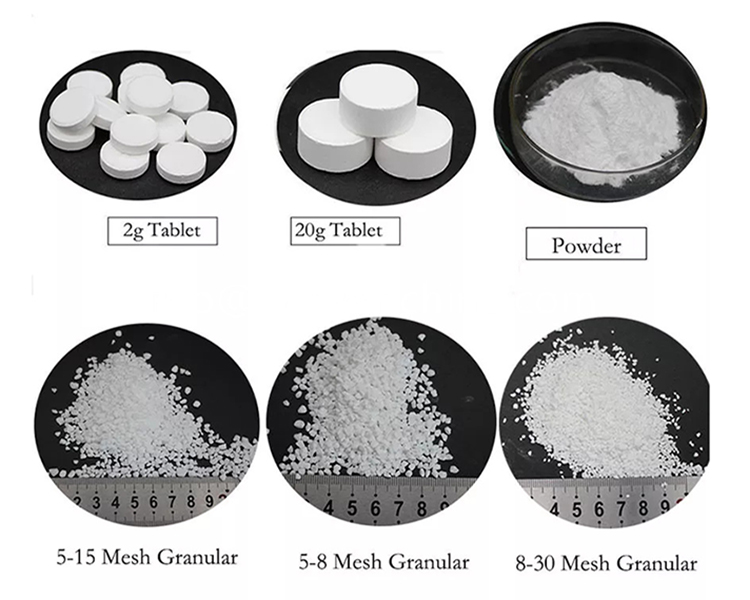
Solution: TCCA in tablet or granular form presents lower safety risks, simplifying compliance with OSHA regulations and reducing insurance costs associated with hazardous material storage.
Selecting the Right Wholesale TCCA Supplier
Quality Assurance Standards
When evaluating wholesale suppliers, municipal facilities should verify:
- ISO 9001 certification
- Batch testing documentation
- Consistent particle size distribution
- Proper packaging for moisture protection
Supply Chain Reliability
Municipal water treatment cannot afford supply interruptions. Reliable suppliers maintain adequate inventory levels and offer flexible delivery schedules to match facility consumption patterns.
Technical Support Availability
Quality suppliers provide technical documentation, dosage calculation support, and emergency consultation services to help facilities optimize their disinfection programs.
Cost-Benefit Analysis
Switching to wholesale TCCA typically shows ROI within 6-12 months for medium to large municipal facilities. Key savings come from:
- Reduced chemical purchase costs (15-25% vs. retail pricing)
- Lower storage infrastructure requirements
- Decreased safety equipment maintenance
- Reduced labor for chemical handling
Conclusion
Municipal water treatment facilities require disinfection solutions that balance effectiveness, safety, and cost. Wholesale TCCA supplies offer a compelling option for plants looking to optimize their operations while maintaining regulatory compliance. By partnering with reliable suppliers and implementing proper handling procedures, facilities can achieve significant operational improvements.
Frequently Asked Questions
Q1: What is the typical shelf life of TCCA for water treatment?
A: Properly stored TCCA maintains effectiveness for 2-3 years. Store in cool, dry conditions away from direct sunlight and moisture.
Q2: How does TCCA compare to sodium hypochlorite for municipal use?
A: TCCA offers higher chlorine concentration (90% vs. 10-15%), longer shelf life, and safer handling. However, initial equipment adjustments may be required.
Q3: What certifications should I look for in TCCA suppliers?
A: Seek suppliers with ISO 9001, NSF/ANSI 60 certification for drinking water additives, and comprehensive batch testing documentation.
Q4: Can TCCA be used in existing chlorination systems?
A: In most cases, yes. However, feeder equipment may require adjustment to accommodate different dissolution rates. Consult with your supplier for specific guidance.
Q5: What is the minimum order quantity for wholesale TCCA?
A: This varies by supplier. Municipal facilities typically qualify for wholesale pricing at orders of 1 ton or more, with better rates at 5+ ton quantities.
Ready to optimize your water treatment operations? Contact us today for customized wholesale TCCA solutions tailored to your municipal facility’s needs.
