
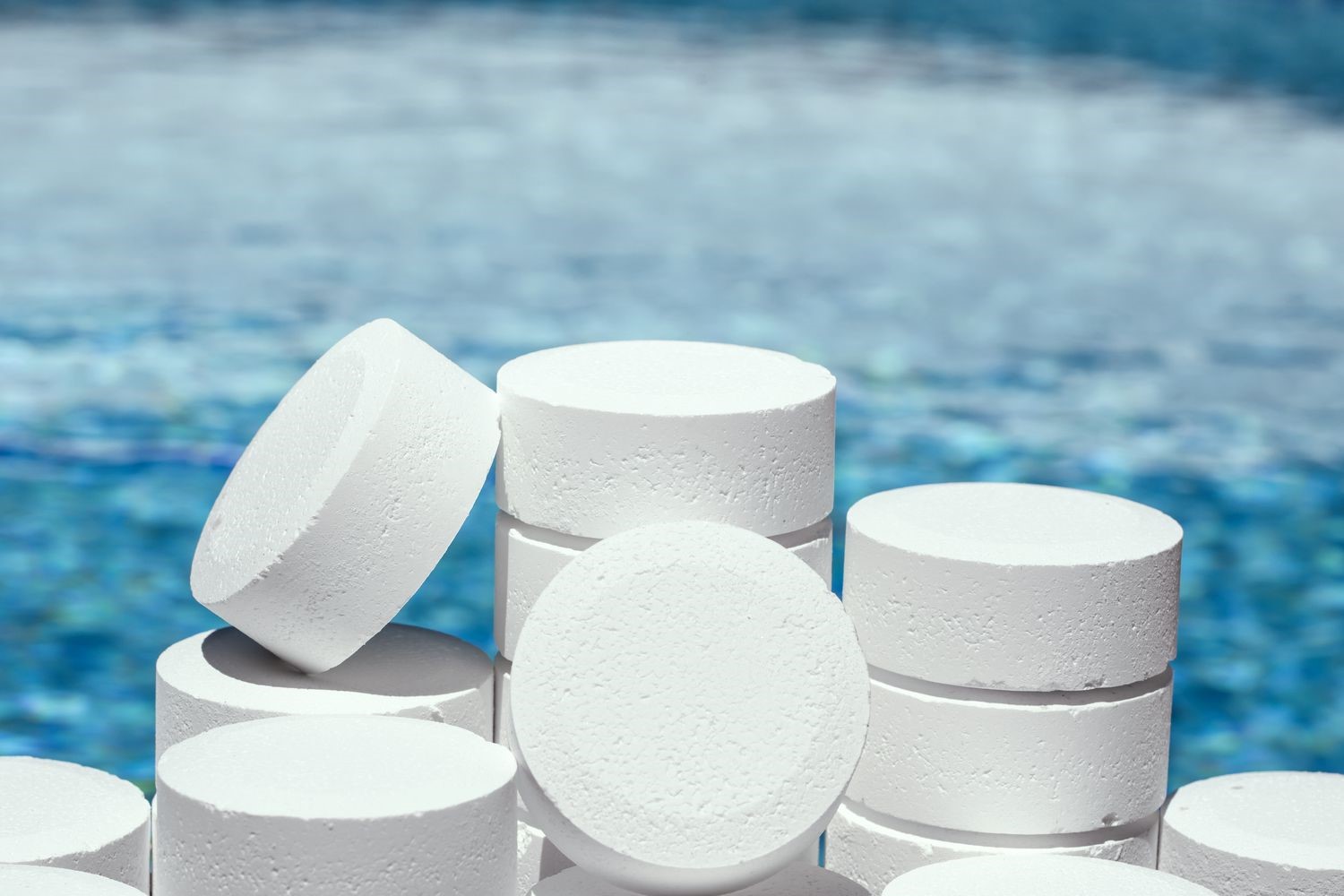
Wholesale SDIC for Municipal Water Treatment Plants: Supplies Reliable
Introduction
Municipal water treatment facilities face constant pressure to deliver safe, clean drinking water to communities while maintaining operational efficiency and cost-effectiveness. In this critical mission, choosing the right disinfection chemical becomes paramount. Sodium Dichloroisocyanurate (SDIC) has emerged as a leading solution for water treatment plants worldwide, offering superior disinfection performance, stability, and value. This comprehensive guide explores why wholesale SDIC represents the smart choice for municipal water treatment operations seeking reliable, long-term supply partnerships.
Understanding SDIC: The Science Behind Effective Water Disinfection
Chemical Properties and Composition
Sodium Dichloroisocyanurate, commonly known as SDIC or NaDCC, is an organic chlorine compound with the chemical formula C₃Cl₂N₃NaO₃ and CAS number 2893-78-9. This white crystalline powder or granular substance contains approximately 56-60% available chlorine, making it one of the most potent disinfectants available for water treatment applications.
The molecular structure of SDIC provides unique advantages over traditional chlorine compounds. Its stable triazine ring structure ensures controlled chlorine release, maintaining consistent disinfection power over extended periods while minimizing harmful byproduct formation.
Mechanism of Action in Water Treatment
When SDIC dissolves in water, it releases hypochlorous acid (HOCl), the active disinfecting agent responsible for eliminating pathogens. This process occurs gradually, providing sustained disinfection throughout the water distribution system. The compound effectively destroys bacteria, viruses, algae, and other microorganisms that pose health risks to communities.
Why Municipal Water Plants Choose Wholesale SDIC
Cost-Effectiveness at Scale
Purchasing SDIC through wholesale channels delivers significant economic advantages for municipal operations. Bulk procurement reduces per-unit costs substantially, allowing water treatment facilities to maximize their budgets while maintaining high treatment standards. Wholesale suppliers typically offer volume-based pricing structures that reward larger orders with progressively better rates.
Supply Chain Reliability
Municipal water treatment cannot afford interruptions. Established wholesale SDIC suppliers maintain robust inventory systems and multiple production facilities to ensure consistent supply regardless of market fluctuations or seasonal demand spikes. This reliability proves essential for facilities serving populations that depend on uninterrupted safe water access.
Quality Assurance and Consistency
Reputable wholesale suppliers implement rigorous quality control protocols throughout manufacturing and distribution. Each batch undergoes comprehensive testing for available chlorine content, moisture levels, pH stability, and impurity concentrations. This consistency allows water treatment operators to maintain precise dosing calculations without constant adjustment.
Key Applications in Municipal Water Treatment
Primary Disinfection
SDIC serves as an effective primary disinfectant for surface water and groundwater sources. Its rapid action eliminates pathogenic microorganisms at the treatment stage, establishing the first line of defense in the multi-barrier approach to water safety.
Secondary Disinfection and Residual Maintenance
Perhaps more critically, SDIC maintains disinfectant residual throughout distribution networks. This residual protection prevents microbial regrowth in pipes and storage facilities, ensuring water remains safe from treatment plant to consumer tap.
Emergency Response and Shock Treatment
During contamination events or system maintenance, SDIC enables rapid shock disinfection protocols. Its high available chlorine content allows operators to quickly elevate disinfectant levels to address acute safety concerns without requiring massive chemical quantities.
Technical Advantages Over Alternative Disinfectants
Superior Stability
Unlike liquid chlorine solutions that degrade rapidly, SDIC maintains potency during storage when kept in proper conditions. This stability reduces waste from product degradation and simplifies inventory management for water treatment facilities.
Enhanced Safety Profile
SDIC presents lower handling risks compared to gaseous chlorine or concentrated liquid bleach. The solid form minimizes accidental release potential and reduces exposure hazards for treatment plant personnel. Proper storage requires only dry, ventilated spaces without specialized containment systems.
Reduced Byproduct Formation
Research indicates SDIC generates fewer regulated disinfection byproducts (DBPs) compared to some alternative chlorination methods. This characteristic helps municipalities comply with increasingly stringent water quality regulations while protecting public health.
Selecting the Right Wholesale SDIC Supplier
Manufacturing Capacity and Certifications
Evaluate potential suppliers based on production capacity, quality certifications (ISO, NSF, etc.), and regulatory compliance records. Established manufacturers with proven track records provide greater assurance of consistent product quality and supply reliability.
Technical Support Capabilities
The best wholesale partners offer more than just product delivery. Look for suppliers providing technical documentation, dosing guidance, safety training resources, and responsive customer support teams capable of addressing operational questions promptly.
Logistics and Delivery Infrastructure
Consider suppliers with established distribution networks capable of delivering to your facility within required timeframes. Reliable shipping arrangements, proper packaging for hazardous materials, and flexible delivery schedules contribute to smooth operational integration.
Storage and Handling Best Practices
Optimal Storage Conditions
SDIC should be stored in cool, dry, well-ventilated areas away from direct sunlight and moisture. Maintain separation from incompatible materials including acids, ammonia compounds, and organic substances. Proper storage preserves product effectiveness and ensures workplace safety.
Safe Handling Procedures
Personnel handling SDIC should wear appropriate personal protective equipment including gloves, eye protection, and respiratory protection when dealing with dust. Training programs should cover proper dosing techniques, spill response procedures, and emergency protocols.
Frequently Asked Questions (FAQ)
What is the typical shelf life of wholesale SDIC?
When stored under recommended conditions (cool, dry environment in original sealed containers), SDIC maintains effectiveness for 24-36 months from manufacture date. Regular inventory rotation ensures optimal product performance.
How does SDIC compare to calcium hypochlorite for municipal applications?
SDIC offers higher available chlorine content, better solubility, and more stable pH characteristics compared to calcium hypochlorite. Additionally, SDIC produces less sediment in water, reducing filtration requirements and maintenance needs.
What packaging options are available for wholesale orders?
Wholesale suppliers typically offer various packaging configurations including 25kg drums, 50kg bags, and bulk container options. Custom packaging arrangements can accommodate specific facility requirements and handling equipment.
Are there environmental considerations when using SDIC?
SDIC breaks down into harmless compounds after disinfection. However, proper dosing prevents excess chlorine discharge. Work with suppliers who provide environmental compliance documentation and guidance on responsible use practices.
Can SDIC be used in combination with other water treatment chemicals?
Yes, SDIC integrates well with coagulants, flocculants, and pH adjustment chemicals commonly used in municipal treatment. Consult technical specifications for compatible sequencing and dosing recommendations to optimize treatment effectiveness.
What documentation should I request from wholesale SDIC suppliers?
Request certificates of analysis for each batch, safety data sheets (SDS), regulatory compliance certifications, and manufacturing quality documentation. These records support regulatory audits and demonstrate due diligence in chemical procurement.
Conclusion
Municipal water treatment plants require disinfection solutions that balance effectiveness, safety, cost, and reliability. Wholesale SDIC delivers on all these fronts, making it an increasingly popular choice for facilities worldwide. By partnering with established wholesale suppliers, municipalities secure consistent access to high-quality disinfection chemicals while optimizing operational budgets.
The decision to source SDIC through wholesale channels represents more than a purchasing choice—it’s a strategic commitment to community health, operational excellence, and long-term sustainability. Water treatment professionals who understand SDIC’s advantages and select reputable supply partners position their facilities for continued success in delivering safe drinking water.
Ready to explore wholesale SDIC solutions for your municipal water treatment facility? Reach out to qualified suppliers today to discuss your specific requirements, volume needs, and partnership opportunities. The right wholesale relationship transforms chemical procurement from a routine transaction into a strategic advantage for your water treatment operations.
