
Wholesale Calcium Hypochlorite for Municipal Plants: Pros Plant
Introduction
Municipal water treatment facilities face continuous challenges in delivering safe, clean drinking water to communities worldwide. Among the various disinfection solutions available, calcium hypochlorite has emerged as a reliable and cost-effective choice for large-scale water treatment operations. This comprehensive guide explores the advantages of wholesale calcium hypochlorite procurement for municipal plants, helping decision-makers understand why this chemical remains a cornerstone of modern water disinfection strategies.
For procurement managers, plant operators, and municipal authorities seeking efficient water treatment solutions, understanding the benefits of bulk calcium hypochlorite purchasing can lead to significant operational savings and improved treatment outcomes.
Understanding Calcium Hypochlorite in Municipal Water Treatment
What Is Calcium Hypochlorite?
Calcium hypochlorite (Ca(OCl)₂), commonly known as bleaching powder or chlorinated lime, is a solid chemical compound with strong oxidizing properties. With an available chlorine content typically ranging from 65% to 70%, it serves as one of the most effective disinfectants for municipal water treatment applications. The compound releases hypochlorite ions when dissolved in water, providing powerful antimicrobial action against bacteria, viruses, and other pathogens.
Chemical Properties and Specifications
For municipal plant operators, understanding the technical specifications is crucial for proper handling and application:
- CAS Number: 7778-54-3
- Available Chlorine Content: 65%-70% (technical grade)
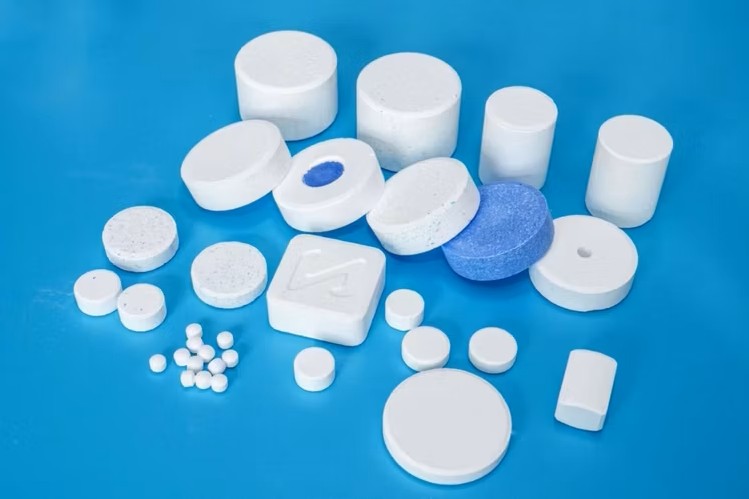
- Physical Form: Granular or tablet
- UN Number: 2880 (Class 5.1 oxidizing substance)
- HS Code: 28281000
- Molecular Weight: 142.98 g/mol
These specifications ensure consistent quality and performance across different batch purchases, making wholesale procurement a reliable option for long-term supply contracts.
Key Advantages of Wholesale Calcium Hypochlorite for Municipal Facilities
Cost Efficiency Through Bulk Purchasing
Municipal water treatment plants operate on tight budgets while maintaining strict water quality standards. Wholesale calcium hypochlorite purchasing offers substantial cost advantages:
- Reduced Unit Costs: Bulk orders typically reduce per-ton pricing by 15-30% compared to smaller quantities
- Lower Transportation Costs: Consolidated shipments minimize freight expenses
- Inventory Management: Strategic stockpiling protects against market price fluctuations
- Long-term Supply Agreements: Fixed-price contracts provide budget predictability
For facilities processing millions of gallons daily, these savings translate into significant annual operational cost reductions.
Superior Disinfection Performance
Calcium hypochlorite delivers exceptional disinfection capabilities that meet stringent municipal water quality requirements:
- High Available Chlorine Content: 65%-70% concentration ensures effective pathogen elimination
- Extended Residual Protection: Maintains disinfection throughout distribution systems
- Broad-Spectrum Efficacy: Eliminates bacteria, viruses, and protozoan cysts
- Stable Storage Properties: Solid form offers longer shelf life compared to liquid alternatives
Operational Flexibility and Convenience
Municipal plants benefit from the versatile application methods of calcium hypochlorite:
- Multiple Form Options: Granular and tablet forms accommodate different dosing systems
- Easy Storage Requirements: Solid form requires less specialized storage infrastructure
- Simplified Handling: Reduced spill risks compared to liquid chlorine solutions
- Compatible with Existing Systems: Integrates seamlessly with standard water treatment equipment
Selecting the Right Wholesale Supplier
Quality Assurance Considerations
When evaluating wholesale calcium hypochlorite suppliers, municipal procurement teams should prioritize:
- Certification Compliance: ISO, REACH, and local regulatory certifications
- Consistent Product Quality: Batch testing and quality control documentation
- Supply Chain Reliability: Proven track record of on-time deliveries
- Technical Support: Availability of application guidance and troubleshooting assistance
Pricing and Contract Terms
Competitive wholesale pricing for calcium hypochlorite typically ranges from $500 to $1,300 per ton, depending on:
- Order volume and commitment level
- Product specification (65% vs. 70% available chlorine)
- Packaging requirements (25kg, 45kg, or 50kg containers)
- Delivery location and logistics arrangements
- Payment terms (L/C, T/T, or D/P)
Municipal facilities should negotiate contracts that balance cost savings with supply security and quality guarantees.
Safety and Regulatory Compliance
Handling and Storage Best Practices
Proper safety protocols are essential when managing wholesale calcium hypochlorite inventories:
- Store in cool, dry, well-ventilated areas away from incompatible materials
- Maintain appropriate segregation from organic compounds and reducing agents
- Implement proper personal protective equipment (PPE) requirements
- Establish emergency response procedures for accidental releases
Environmental Considerations
Modern municipal facilities must address environmental responsibilities:
- Minimize packaging waste through bulk container options
- Implement proper disposal procedures for expired or contaminated product
- Monitor discharge levels to ensure regulatory compliance
- Consider carbon footprint in supplier selection and logistics planning
Long-Term Supply Strategy for Municipal Plants
Building Strategic Partnerships
Establishing long-term relationships with reliable wholesale suppliers offers multiple benefits:
- Priority allocation during supply constraints
- Customized product specifications for specific treatment needs
- Collaborative problem-solving for operational challenges
- Access to new product developments and improvements
Risk Management
Diversified supply strategies protect municipal operations from disruptions:
- Maintain relationships with multiple qualified suppliers
- Keep appropriate safety stock levels based on consumption rates
- Monitor market trends and adjust procurement strategies accordingly
- Develop contingency plans for supply chain interruptions
Conclusion
Wholesale calcium hypochlorite represents a strategic investment for municipal water treatment plants seeking reliable, cost-effective disinfection solutions. The combination of superior performance, operational flexibility, and economic advantages makes it an ideal choice for facilities committed to delivering safe drinking water to their communities.
By partnering with reputable wholesale suppliers and implementing sound procurement strategies, municipal plants can optimize their water treatment operations while maintaining budget discipline and regulatory compliance. The long-term benefits of wholesale calcium hypochlorite purchasing extend beyond immediate cost savings, contributing to sustainable, efficient water treatment infrastructure.
For municipal procurement teams evaluating their water treatment chemical supply options, calcium hypochlorite wholesale programs offer a proven pathway to operational excellence and community health protection.
Frequently Asked Questions (FAQ)
Q1: What is the typical shelf life of wholesale calcium hypochlorite?
A: Properly stored calcium hypochlorite maintains its effectiveness for 12-24 months. Storage conditions significantly impact shelf life, requiring cool, dry environments away from direct sunlight and moisture.
Q2: How does calcium hypochlorite compare to sodium hypochlorite for municipal applications?
A: Calcium hypochlorite offers higher available chlorine content (65%-70% vs. 10%-15%), longer shelf life, and easier storage requirements. However, it produces calcium carbonate precipitate, which may require additional filtration in some systems.
Q3: What minimum order quantities do wholesale suppliers typically require?
A: Most wholesale calcium hypochlorite suppliers require minimum orders of 1-21 tons, depending on the supplier and product specifications. Municipal facilities can negotiate volume-based pricing tiers for larger commitments.
Q4: Are there specific regulatory requirements for calcium hypochlorite in drinking water treatment?
A: Yes, calcium hypochlorite used for drinking water must meet NSF/ANSI 60 certification or equivalent local standards. Municipal facilities should verify supplier certifications and request documentation for compliance audits.
Q5: How can municipalities ensure consistent supply during peak demand periods?
A: Establishing long-term supply agreements, maintaining safety stock inventory, and developing relationships with multiple qualified suppliers help ensure consistent calcium hypochlorite availability throughout seasonal demand fluctuations.
Ready to optimize your municipal water treatment operations with wholesale calcium hypochlorite solutions? Explore our comprehensive product offerings and request a customized quote for your facility’s specific requirements.
