
TCCA Importers for Hospitals: Bulk Prevention
Introduction
In the modern healthcare landscape, maintaining stringent hygiene and infection control protocols is paramount. Hospitals worldwide rely on effective disinfectants to safeguard patients, staff, and visitors from harmful pathogens. Among the various disinfecting agents available, Trichloroisocyanuric Acid (TCCA) has emerged as a critical solution for bulk prevention strategies in medical facilities. This comprehensive guide explores why hospitals should partner with reliable TCCA importers for bulk procurement, the benefits of TCCA in healthcare settings, and how to ensure safe, cost-effective supply chains for institutional disinfection needs.
As global health standards continue to evolve, the demand for high-quality, stable, and efficient disinfectants has never been greater. TCCA, with its superior chlorine content and prolonged release properties, offers hospitals a practical solution for large-scale sanitation requirements. Understanding the role of TCCA importers and establishing robust bulk prevention protocols can significantly enhance a hospital’s infection control capabilities while optimizing operational costs.
Understanding TCCA: The Science Behind Hospital-Grade Disinfection
What is Trichloroisocyanuric Acid?
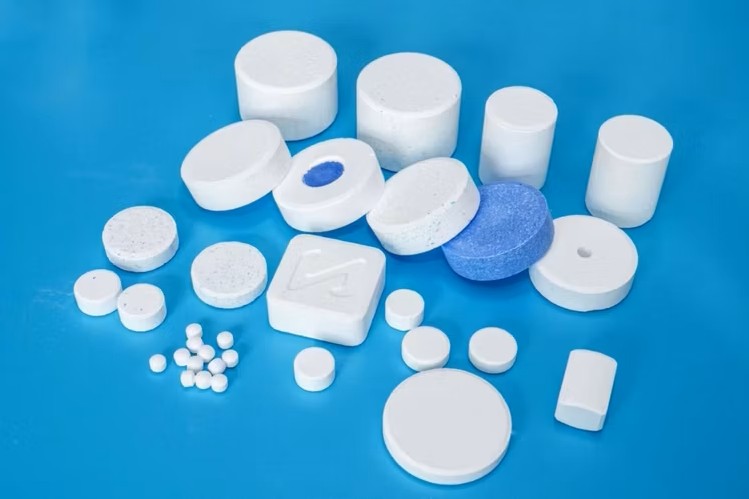
Trichloroisocyanuric Acid (TCCA), chemically known as C3Cl3N3O3 with CAS number 87-90-1, is a powerful organic chlorine compound widely recognized for its exceptional disinfecting properties. This white crystalline powder or tablet form contains approximately 90% available chlorine, making it one of the most concentrated chlorine-based disinfectants available for commercial and institutional use.
TCCA functions as a strong oxidizing agent that slowly releases chlorine when dissolved in water. This controlled release mechanism ensures prolonged disinfection activity, which is particularly valuable in hospital environments where continuous pathogen control is essential. Unlike traditional liquid chlorine solutions, TCCA offers superior stability during storage and transportation, reducing the risks associated with handling hazardous materials in healthcare facilities.
Key Advantages for Healthcare Applications
Hospitals require disinfectants that meet multiple criteria: effectiveness against diverse pathogens, safety for staff handling, stability during storage, and cost-efficiency for bulk operations. TCCA excels in all these areas:
Broad-Spectrum Efficacy: TCCA demonstrates powerful activity against bacteria, viruses, fungi, and spores, making it suitable for various hospital disinfection scenarios including surface sanitization, water treatment, and instrument sterilization preparation.
Extended Shelf Life: When stored properly in dry conditions, TCCA maintains its potency for extended periods, allowing hospitals to maintain strategic reserves without frequent reordering.
Controlled Chlorine Release: The slow-release characteristic ensures consistent disinfection levels over time, reducing the need for frequent reapplication in high-traffic hospital areas.
Cost-Effective Bulk Solutions: For large healthcare facilities, purchasing TCCA in bulk through established importers significantly reduces per-unit costs compared to smaller retail purchases.
Why Hospitals Need Reliable TCCA Importers
Supply Chain Security for Critical Disinfectants
The COVID-19 pandemic highlighted the importance of secure supply chains for essential medical supplies, including disinfectants. Hospitals cannot afford disruptions in their disinfection material availability. Working with established TCCA importers ensures consistent supply, quality assurance, and emergency stock availability when unexpected demand surges occur.
Reliable importers maintain multiple sourcing channels, quality control protocols, and inventory management systems that protect hospitals from market volatility and supply shortages. This partnership approach to procurement transforms disinfectant acquisition from a transactional activity into a strategic component of hospital risk management.
Quality Assurance and Regulatory Compliance
Healthcare facilities operate under strict regulatory frameworks that govern the quality and safety of all materials used within their premises. Professional TCCA importers understand these requirements and provide documentation including:
- Certificate of Analysis (COA) for each batch
- Safety Data Sheets (SDS) compliant with international standards
- Regulatory compliance certificates for target markets
- Traceability documentation for quality audits
This documentation is essential for hospital accreditation processes and demonstrates due diligence in infection control procurement decisions.
Bulk Pricing and Cost Optimization
Hospitals operating on tight budgets must balance quality with cost-effectiveness. TCCA importers specializing in bulk hospital supply offer significant advantages:
Volume Discounts: Large quantity purchases trigger substantial price reductions, improving hospital operational budgets.
Reduced Shipping Costs: Consolidated bulk shipments minimize per-unit transportation expenses.
Inventory Management Support: Many importers offer flexible delivery schedules that align with hospital consumption patterns, reducing storage costs while maintaining adequate reserves.
Long-Term Contract Benefits: Establishing ongoing partnerships with importers often includes price stability clauses that protect hospitals from market fluctuations.
Implementing Bulk Prevention Strategies with TCCA
Storage and Handling Protocols
Proper storage is critical for maintaining TCCA effectiveness and ensuring staff safety. Hospitals should establish dedicated storage areas that meet the following criteria:
- Cool, dry environments with temperature control
- Adequate ventilation to prevent chlorine gas accumulation
- Separation from incompatible materials including ammonia, acids, and organic compounds
- Clear labeling and restricted access protocols
- Regular inventory rotation to ensure product freshness
Training programs for hospital staff handling TCCA should cover proper personal protective equipment (PPE) usage, emergency response procedures, and safe dilution practices.
Application Guidelines for Hospital Settings
TCCA can be utilized across multiple hospital departments with appropriate concentration adjustments:
General Surface Disinfection: Diluted TCCA solutions effectively sanitize floors, walls, and non-critical surfaces in patient care areas.
Water System Treatment: Hospital water systems benefit from TCCA’s controlled chlorine release, preventing biofilm formation and Legionella contamination.
Laundry Sanitization: Medical linens and textiles can be treated with TCCA to ensure pathogen elimination during washing cycles.
Emergency Spill Response: TCCA solutions provide rapid disinfection capability for biological spill incidents.
Monitoring and Quality Control
Effective bulk prevention strategies require ongoing monitoring to ensure disinfection protocols remain effective. Hospitals should implement:
- Regular testing of chlorine residual levels in treated water
- Periodic surface swab testing to verify disinfection efficacy
- Documentation of TCCA usage patterns for inventory optimization
- Staff competency assessments for handling procedures
Selecting the Right TCCA Importer Partner
Evaluation Criteria for Hospital Procurement Teams
When evaluating potential TCCA importers, hospital procurement teams should consider:
Experience and Reputation: Look for importers with proven track records in healthcare supply chains and positive references from similar institutions.
Quality Certifications: Verify ISO certifications, GMP compliance, and other relevant quality management system credentials.
Logistical Capabilities: Assess the importer’s ability to handle emergency orders, maintain cold chain requirements if necessary, and provide reliable delivery schedules.
Technical Support: Quality importers offer ongoing technical assistance including usage guidance, troubleshooting, and protocol optimization.
Financial Stability: Ensure the importer has sufficient financial resources to maintain inventory and honor long-term supply agreements.
Building Long-Term Partnerships
The most successful hospital-importer relationships evolve beyond simple vendor transactions into strategic partnerships. This approach includes:
- Regular communication about consumption patterns and upcoming needs
- Collaborative planning for emergency preparedness stockpiles
- Joint participation in quality improvement initiatives
- Shared commitment to sustainability and environmental responsibility
Conclusion
TCCA represents a critical component in modern hospital infection control strategies, offering effective, stable, and cost-efficient disinfection capabilities for bulk prevention applications. By partnering with reliable TCCA importers, hospitals can secure consistent supply chains, ensure quality compliance, and optimize procurement costs while maintaining the highest standards of patient safety.
The investment in establishing robust TCCA supply relationships pays dividends through enhanced infection control capabilities, reduced operational risks, and improved budget management. As healthcare facilities continue to face evolving pathogen threats, having dependable access to high-quality disinfectants like TCCA becomes increasingly vital for institutional resilience and public health protection.
FAQ
Q1: What is the typical shelf life of TCCA when stored properly in hospital conditions?
A: When stored in cool, dry conditions away from moisture and direct sunlight, TCCA typically maintains its effectiveness for 24 to 36 months. Regular inventory rotation ensures optimal potency.
Q2: How do I determine the appropriate TCCA concentration for different hospital applications?
A: Concentration requirements vary by application. General surface disinfection typically requires 200-500 ppm available chlorine, while water treatment may require different levels. Consult with your TCCA supplier for specific guidance based on your facility’s needs.
Q3: Are there any safety concerns when using TCCA in hospital environments?
A: TCCA is safe when handled according to established protocols. Staff should wear appropriate PPE including gloves and eye protection. Ensure adequate ventilation and never mix TCCA with ammonia or acidic cleaners.
Q4: What documentation should I request from TCCA importers?
A: Request Certificate of Analysis, Safety Data Sheets, regulatory compliance certificates, and batch traceability documentation for quality assurance and audit purposes.
Q5: Can TCCA be used for sterilizing medical instruments?
A: TCCA is suitable for disinfection but not for sterilization of critical medical instruments. High-level sterilization requires different protocols. Consult infection control specialists for instrument processing guidelines.
Q6: How does bulk purchasing affect TCCA pricing for hospitals?
A: Bulk purchasing typically reduces per-unit costs by 20-40% compared to retail quantities. Long-term contracts may offer additional price stability and priority delivery benefits.
For more information about TCCA solutions for healthcare facilities, visit our contact page to connect with our specialist team. https://envochemical.com/contact-us/
