
Calcium Hypochlorite for Water Parks: Chlorine Traffic
Running a water park is no small feat. Between managing crowds, ensuring ride safety, and maintaining pristine water quality, the operational load is immense. Yet, nothing threatens the reputation of a leisure facility faster than poor water hygiene. In my years consulting for large-scale aquatic centers, I have seen how critical the right disinfection strategy is. Specifically, the flow and management of chlorine—what I call “Chlorine Traffic”—can make or break your operational efficiency. Today, I want to dive deep into why Calcium Hypochlorite remains the cornerstone of effective water park sanitation and how optimizing its supply chain can save you money and headaches.
The Concept of Chlorine Traffic
When we talk about “Chlorine Traffic,” we are not just referring to the chemical itself. We are discussing the velocity and volume of disinfectant required to keep pace with bather loads. Water parks experience massive fluctuations in usage. A sunny weekend can see thousands of visitors introducing organic contaminants into the system simultaneously.
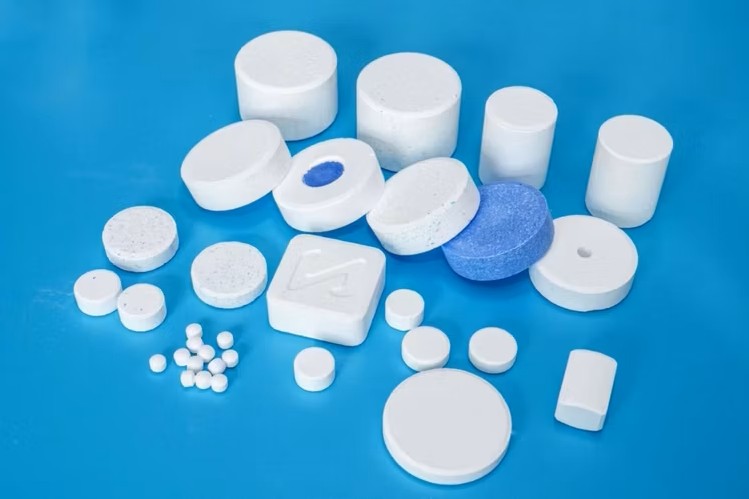
Liquid chlorine often fails here. It degrades quickly in storage and requires frequent deliveries, creating logistical bottlenecks. This is where Calcium Hypochlorite shines. With a higher available chlorine content, typically around 65-70%, it offers a denser form of sanitation. This means fewer deliveries, less storage space required, and a more stable reservoir of disinfecting power ready to tackle peak traffic times. Understanding this flow is the first step toward operational excellence.
Why Calcium Hypochlorite Outperforms Alternatives
In the B2B chemical supply sector, I often get asked why we recommend granular or tablet forms of Cal Hypo over liquid sodium hypochlorite for large venues. The answer lies in stability and cost-efficiency. Liquid chlorine loses potency over time, especially in hot climates where water parks thrive. You might buy a tank full, but by the end of the week, its effectiveness has dwindled.
Calcium Hypochlorite, however, maintains its strength when stored correctly. For a facility manager, this predictability is invaluable. You can calculate exact dosage requirements without factoring in degradation rates. Furthermore, the high pH of Cal Hypo can help buffer the water, reducing the need for additional pH increasers. This dual action simplifies the chemical balancing act, allowing your maintenance team to focus on other critical safety checks rather than constantly adjusting alkalinity.
Safety and Handling Protocols
Safety is paramount when dealing with oxidizers. As an industry veteran, I cannot stress enough the importance of proper handling procedures. Calcium Hypochlorite is a powerful oxidant, and mixing it with other chemicals, particularly acids, can be dangerous.
For B2B buyers, ensuring your staff is trained is just as important as purchasing the right product. I advise all my clients to implement strict storage protocols. Keep the product in a cool, dry, and well-ventilated area. Never store it near organic materials or fuels. When you optimize your “Chlorine Traffic,” you also optimize safety by reducing the frequency of handling. Fewer deliveries mean fewer opportunities for human error during offloading. This risk mitigation is often overlooked but is crucial for liability management in the leisure industry.
Ensuring Supply Chain Reliability
The final piece of the puzzle is reliability. Nothing disrupts Chlorine Traffic like a supply shortage. Imagine a holiday weekend with full capacity bookings and your chlorine supplier fails to deliver. This scenario is a nightmare that can be avoided by partnering with a manufacturer who understands scale.
You need a supplier who can guarantee consistent quality and timely logistics. Batch consistency is vital; variations in chlorine content can throw off your automated dosing systems. When evaluating partners, look for those with robust production capabilities and a track record of serving large industrial clients. The goal is to make the chemical supply invisible to your operations—always there when needed, never causing a disruption.
Conclusion
In the high-stakes environment of water park management, water quality is non-negotiable. Calcium Hypochlorite offers the strength, stability, and efficiency required to handle the intense Chlorine Traffic of modern aquatic facilities. By choosing the right form of chlorine and partnering with a reliable supplier, you protect your guests, your staff, and your bottom line.
If you are looking to optimize your water treatment strategy and secure a supply chain that matches your operational demands, it is time to reassess your current chemical partners. Let us help you streamline your sanitation processes.
Author: Marcus Thorne
