
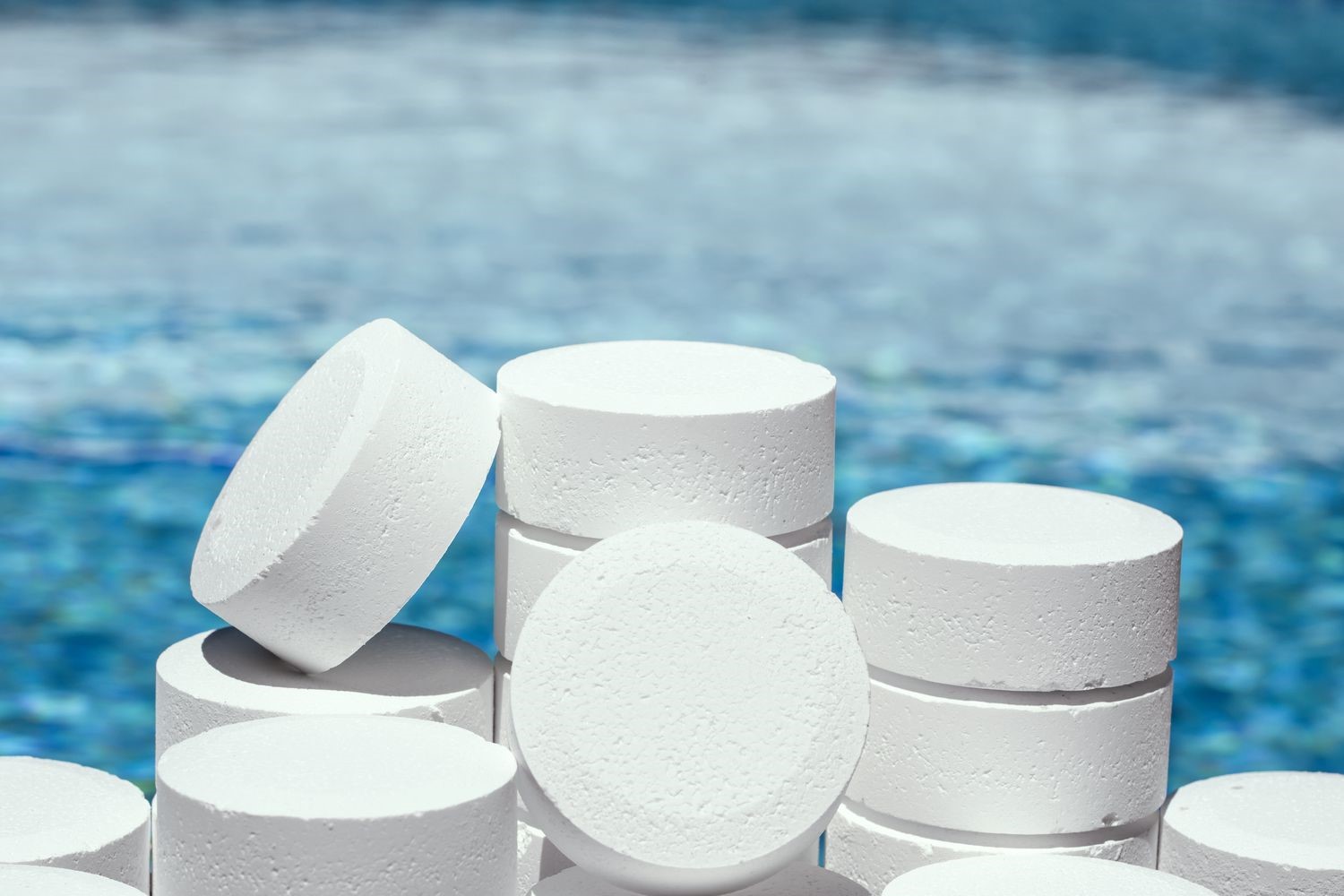
Bulk SDIC for Chemical Plants: Disinfection Strength
Introduction
In today’s industrial landscape, maintaining optimal disinfection protocols is critical for chemical plants operating across water treatment, manufacturing, and processing sectors. Sodium Dichloroisocyanurate (SDIC), commonly known as bulk SDIC, has emerged as a premier disinfection solution offering exceptional strength, stability, and cost-effectiveness. This comprehensive guide explores the disinfection strength of bulk SDIC for chemical plants, helping B2B decision-makers understand why this compound stands out in industrial applications.
For procurement managers, plant operators, and chemical sourcing professionals, selecting the right disinfectant directly impacts operational efficiency, regulatory compliance, and overall safety standards. Understanding the technical specifications and practical advantages of bulk SDIC enables informed purchasing decisions that drive long-term value.
Understanding SDIC Disinfection Strength
Chemical Composition and Active Chlorine Content
Sodium Dichloroisocyanurate carries the chemical formula C₃Cl₂N₃NaO₃ with CAS number 2893-78-9. The compound’s disinfection power stems from its available chlorine content, typically ranging between 56% and 60% for industrial-grade products. This high chlorine concentration makes bulk SDIC significantly more potent than many alternative disinfectants on the market.
The molecular structure allows for controlled chlorine release, ensuring sustained disinfection activity over extended periods. Unlike liquid chlorine solutions that degrade rapidly, SDIC maintains its efficacy through stable solid formulation, making it ideal for bulk storage and transportation in chemical plant environments.
Microbial Elimination Capabilities
Bulk SDIC demonstrates broad-spectrum antimicrobial activity against diverse pathogens including bacteria, viruses, fungi, and algae spores. At concentrations as low as 20 ppm, SDIC achieves杀菌 rates exceeding 99%, providing reliable protection against microbial contamination in industrial water systems.
The oxidizing properties of SDIC effectively disrupt microbial cell walls and metabolic processes, preventing biofilm formation in cooling towers, process water lines, and storage tanks. This comprehensive disinfection strength proves essential for chemical plants maintaining strict hygiene standards and regulatory compliance.
Industrial Applications in Chemical Plants
Water Treatment Systems
Chemical plants rely heavily on water for cooling, processing, and cleaning operations. Bulk SDIC serves as an effective biocide in industrial water treatment, controlling microbial growth while minimizing corrosion risks. The compound’s solubility characteristics allow for easy integration into existing water treatment infrastructure without requiring significant equipment modifications.
For cooling tower applications, SDIC prevents legionella bacteria proliferation and algae buildup that can compromise heat exchange efficiency. Regular dosing schedules maintain optimal chlorine residuals, ensuring continuous protection throughout complex water distribution networks.
Process Equipment Sanitization
Maintaining sterile conditions in chemical processing equipment requires reliable disinfectants capable of eliminating resistant microorganisms. Bulk SDIC provides consistent sanitization performance for reactors, pipelines, and storage vessels. The solid formulation enables precise dosing control, reducing chemical waste and operational costs.
Plant operators appreciate SDIC’s compatibility with various materials commonly found in chemical facilities, including stainless steel, plastics, and rubber components. This versatility simplifies procurement processes and inventory management for maintenance teams.
Advantages of Bulk SDIC Procurement
Cost-Effectiveness for Large-Scale Operations
Purchasing SDIC in bulk quantities offers substantial economic advantages for chemical plants with high disinfectant consumption. Bulk pricing structures reduce per-unit costs significantly compared to smaller packaged alternatives. Additionally, the extended shelf life of SDIC minimizes waste from product expiration.
The high active chlorine content means lower dosing requirements achieve equivalent disinfection results, further enhancing cost efficiency. Procurement teams can optimize budget allocation while maintaining rigorous sanitation standards across all plant operations.
Storage Stability and Safety
One of SDIC’s most valuable characteristics is its exceptional storage stability. When kept in dry conditions, bulk SDIC retains over 99% of its available chlorine content after one year of storage. This stability reduces inventory turnover pressure and allows facilities to maintain strategic reserves without quality degradation concerns.
The solid granular or powdered form eliminates hazards associated with liquid chlorine handling, including spill risks and vapor exposure. Safety teams benefit from reduced personal protective equipment requirements and simplified emergency response protocols.
Quality Considerations for B2B Buyers
Purity Standards and Specifications
When sourcing bulk SDIC, chemical plants should verify supplier certifications and product specifications. Industrial-grade SDIC typically comes in various mesh sizes (8-30 mesh, 16-36 mesh) to accommodate different application requirements. Reputable suppliers provide comprehensive quality documentation including batch testing results and compliance certificates.
Buyers should request samples for independent verification of chlorine content, moisture levels, and particle size distribution. These quality parameters directly influence dissolution rates and disinfection performance in specific plant applications.
Supplier Reliability and Technical Support
Establishing partnerships with experienced SDIC manufacturers ensures consistent product quality and reliable supply chains. Leading suppliers offer technical support services including dosage recommendations, application troubleshooting, and regulatory compliance guidance. This expertise proves invaluable when optimizing disinfection protocols for unique plant configurations.
Evaluate potential suppliers based on production capacity, delivery track records, and customer service responsiveness. Long-term supplier relationships facilitate better pricing negotiations and priority allocation during high-demand periods.
Environmental and Regulatory Compliance
Environmental Impact Considerations
Modern chemical plants must balance disinfection effectiveness with environmental responsibility. SDIC breaks down into biodegradable compounds, minimizing long-term ecological impact compared to some alternative biocides. Proper dosing protocols prevent excessive chlorine discharge into wastewater streams.
Environmental teams should implement monitoring systems to track residual chlorine levels in effluent, ensuring compliance with local discharge regulations. SDIC’s predictable degradation characteristics simplify environmental reporting and permit maintenance.
Regulatory Standards Alignment
Bulk SDIC meets international safety and quality standards including ISO certifications and regional chemical regulations. Documentation packages from qualified suppliers support regulatory audits and safety inspections. Maintaining comprehensive records of SDIC procurement, storage, and usage demonstrates due diligence in chemical management practices.
Stay informed about evolving regulations affecting disinfectant use in your industry sector. Proactive compliance strategies prevent operational disruptions and potential penalties from regulatory authorities.
Frequently Asked Questions (FAQ)
Q1: What is the typical shelf life of bulk SDIC?
A: When stored properly in cool, dry conditions, bulk SDIC maintains over 99% of its available chlorine content for at least 12 months. Proper packaging and humidity control extend storage life further.
Q2: How does SDIC compare to calcium hypochlorite for industrial use?
A: SDIC offers superior stability, more consistent chlorine release, and easier handling compared to calcium hypochlorite. The higher available chlorine content also means lower dosing requirements for equivalent disinfection results.
Q3: What mesh sizes are available for bulk SDIC?
A: Common specifications include 8-30 mesh and 16-36 mesh granules. Custom particle sizes may be available depending on supplier capabilities and order quantities.
Q4: Is bulk SDIC suitable for drinking water treatment in industrial facilities?
A: Yes, SDIC is approved for drinking water disinfection when used according to regulatory guidelines. Proper dosing ensures safe residual chlorine levels while eliminating pathogens effectively.
Q5: How do I calculate proper dosing rates for my chemical plant?
A: Dosing depends on water volume, contamination levels, and specific application requirements. Consult with your supplier’s technical team for customized dosage recommendations based on your facility’s parameters.
Q6: What safety precautions should be taken when handling bulk SDIC?
A: Use appropriate personal protective equipment including gloves and eye protection. Store in well-ventilated areas away from incompatible materials. Follow supplier safety data sheets for comprehensive handling guidelines.
Ready to optimize your chemical plant’s disinfection protocols with high-quality bulk SDIC? Explore comprehensive product specifications and request competitive quotations from trusted suppliers.
