
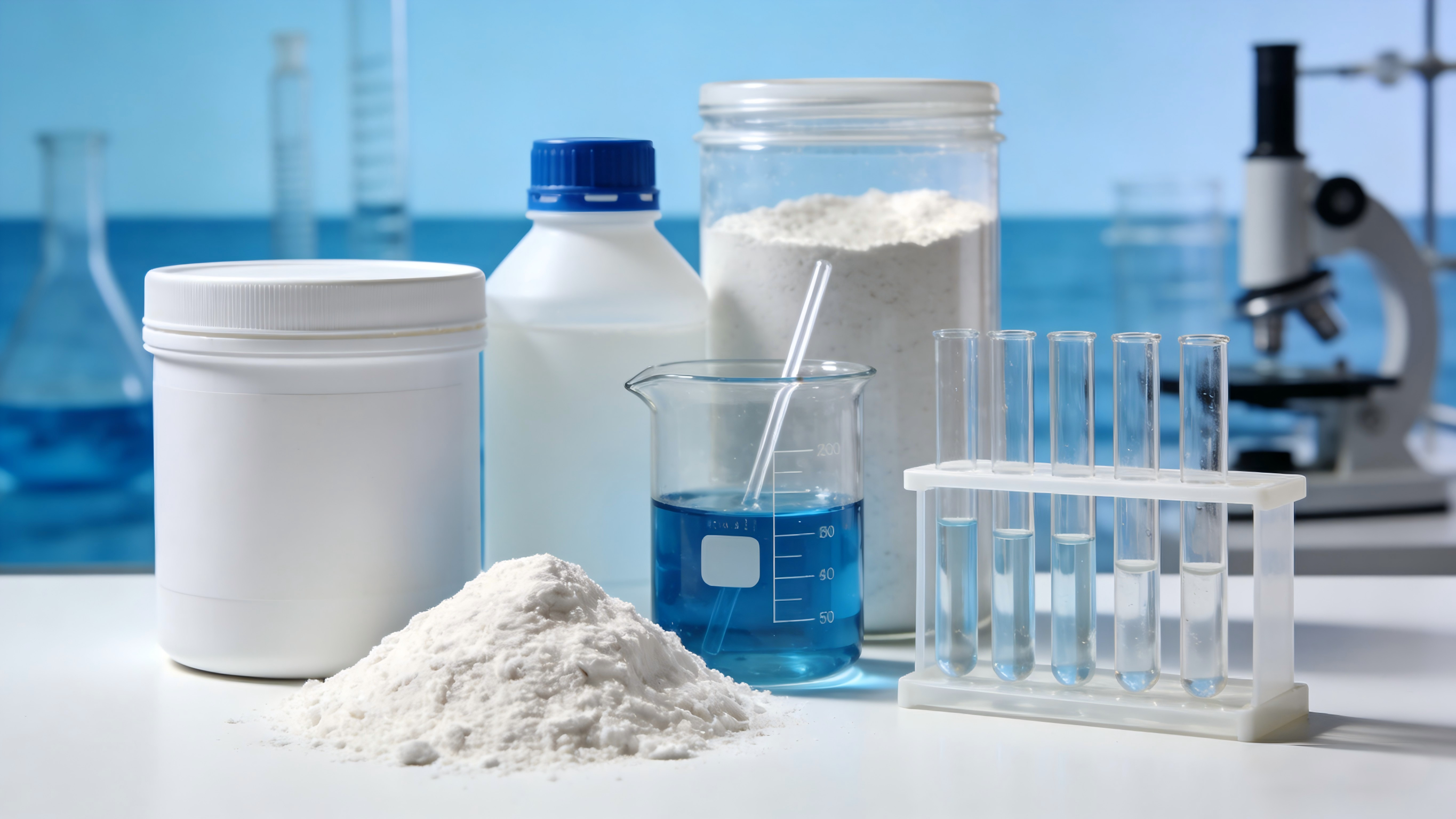
Unlocking Profit Margins: Partnering with SDIC Manufacturers for Distributors and Packaging Resellers
Author: Marcus Thorne
In the volatile world of water treatment chemicals, stability is the ultimate currency. As a distributor or packaging reseller, your reputation hinges on one critical factor: consistency. You cannot afford supply chain disruptions, fluctuating chlorine levels, or packaging that fails during transit. This is where the relationship between SDIC manufacturers and distributors becomes the backbone of your business success.
Sodium Dichloroisocyanurate (SDIC) is not just another chemical; it is a staple in sanitation, swimming pool maintenance, and industrial water treatment. But sourcing it requires more than just finding the lowest price per ton. It demands a partnership with SDIC manufacturers who understand the nuances of the packaging reseller model. Having spent over fifteen years navigating the complexities of the chemical supply chain, I have seen distributors rise and fall based on their choice of partners. This guide is designed to help you make the right choice.
The Evolving Landscape of SDIC Demand in 2026
The global demand for effective sanitizers has not waned; it has evolved. As we move through 2026, the focus has shifted from mere availability to specialized application. Whether it is for municipal water treatment, agricultural disinfection, or commercial pool maintenance, the end-users are smarter. They demand products that dissolve faster, maintain stability longer, and come in eco-friendly packaging.
For distributors, this means your inventory strategy must be agile. You are no longer just moving bulk powder; you are providing solutions. The market is seeing a surge in demand for slow-dissolve tablets and granular forms that minimize dust during handling. If your SDIC manufacturer is still pushing outdated formulations or using substandard packaging materials, you are already losing ground to competitors who have adapted.
Why Direct Partnerships with Manufacturers Matter
There is a temptation to work through trading companies or middlemen, especially when they promise lower administrative hassle. However, in the chemical industry, cutting out the middleman is often the only way to guarantee quality control. When you partner directly with SDIC manufacturers, you gain visibility into the production process.
Cost Efficiency and Margin Protection
Direct partnerships eliminate markup layers. For a packaging reseller, every percentage point in margin counts. By sourcing directly, you can negotiate better terms on bulk orders, allowing you to remain competitive while maintaining healthy profits. Moreover, direct communication means faster resolution of technical issues. If a batch shows slight variance in moisture content, you can speak directly to the production manager, not a sales agent who has to relay messages across three time zones.
Customization Capabilities
Your brand is your asset. Generic white bags with basic labeling do not build brand loyalty. Leading SDIC manufacturers offer private labeling and custom packaging solutions. Whether you need 1kg consumer tubs, 25kg industrial drums, or specialized moisture-barrier bags for humid climates, a true manufacturing partner will accommodate these needs. This flexibility allows you to target niche markets that generic suppliers ignore.
Packaging Solutions: The Reseller’s Critical Edge
As a packaging reseller, the product inside the bag is only half the battle. The packaging itself is your first line of defense against degradation and your primary marketing tool. SDIC is sensitive to moisture and UV light. Poor packaging leads to clumping, reduced effective chlorine content, and unhappy customers.
Material Selection and Safety
High-density polyethylene (HDPE) drums and multi-layer kraft paper bags with PE liners are the industry standard for a reason. They provide the necessary barrier against humidity. However, innovation is key. Some forward-thinking SDIC manufacturers are now incorporating desiccant pockets directly into the packaging design or using UV-resistant materials for outdoor storage scenarios. When evaluating potential partners, ask specifically about their packaging R&D. Do they test for drop resistance? Do they simulate long-term storage conditions?
Labeling and Compliance
Regulatory compliance varies wildly from region to region. A label that works in Europe might not meet EPA standards in the United States or local regulations in Southeast Asia. Your manufacturer must have experience navigating these regulatory landscapes. They should provide accurate Safety Data Sheets (SDS) and ensure that labeling meets GHS standards. This reduces your liability and ensures smooth customs clearance, preventing costly delays at the port.
Quality Assurance: Beyond the Certificate of Analysis
A Certificate of Analysis (CoA) is a snapshot in time. It tells you what the product was like when it left the lab, not necessarily what arrives at your warehouse. True quality assurance involves ongoing testing and transparency.
Stability Testing
SDIC can degrade over time, especially if exposed to heat or humidity during shipping. Reliable SDIC manufacturers conduct stability testing that simulates shipping conditions. They should be able to guarantee the effective chlorine content for a specific period, typically 12 to 24 months, provided storage guidelines are followed. Ask for historical data on batch consistency. A manufacturer that can show you six months of consistent test results is far more valuable than one offering a rock-bottom price on a single batch.
Third-Party Verification
Trust, but verify. Encourage your potential partners to allow third-party inspections before shipment. Companies like SGS or Bureau Veritas can confirm purity, moisture content, and packaging integrity. A manufacturer confident in their product will welcome this scrutiny. It adds a layer of security for your business and demonstrates to your clients that you prioritize quality over speed.
Building a Resilient Supply Chain
The chemical industry is prone to disruptions, from raw material shortages to logistical bottlenecks. A robust supply chain is your insurance policy.
Inventory Management
Work with your SDIC manufacturer to establish a forecasting model. Share your sales data so they can prepare raw materials in advance. This collaborative approach prevents stockouts during peak seasons, such as the summer months when pool chemical demand spikes. Some manufacturers offer vendor-managed inventory (VMI) solutions, where they monitor your stock levels and automate reordering.
Logistics and Lead Times
Clear communication on lead times is essential. Understand the production cycle, from raw material procurement to final packaging. Factor in shipping times and potential customs delays. A reliable partner will provide realistic timelines and proactively communicate any potential delays. They should also have relationships with multiple freight forwarders to ensure your cargo moves efficiently, whether by sea or rail.
Conclusion: Choosing the Right Partner for Growth
In the competitive landscape of water treatment chemicals, your choice of SDIC manufacturers defines your trajectory. It is not merely about purchasing a product; it is about forging a alliance that supports your growth as a distributor and packaging reseller. Prioritize manufacturers who offer transparency, customization, and unwavering quality control.
The market rewards those who provide reliability. By partnering with a manufacturer who understands the intricacies of packaging and the demands of the end-user, you secure your position in the supply chain. You transform from a simple vendor into a trusted solution provider. Take the time to vet your partners, ask the hard questions about quality and logistics, and build a relationship that withstands the test of time. Your bottom line will thank you.
Frequently Asked Questions (FAQ)
1. What is the typical shelf life of SDIC when stored correctly?
When stored in a cool, dry, and well-ventilated area away from direct sunlight, SDIC typically maintains its efficacy for 12 to 24 months. However, this depends heavily on the quality of the packaging and the initial moisture content. High-quality SDIC manufacturers will provide specific storage guidelines to maximize shelf life.
2. Can I request custom packaging sizes for my brand?
Absolutely. Most reputable SDIC manufacturers cater to packaging resellers by offering private label services. You can request various sizes, from small consumer containers to large industrial drums, along with custom labeling that aligns with your brand identity and local regulatory requirements.
3. What certifications should I look for in an SDIC supplier?
Look for ISO 9001 (Quality Management) and ISO 14001 (Environmental Management) certifications. Additionally, ensure they can provide REACH compliance documentation if you are selling in Europe, or EPA registration support for the US market. Safety Data Sheets (SDS) must be up-to-date and accurate.
4. How do manufacturers ensure the stability of SDIC during shipping?
Experienced manufacturers use moisture-barrier packaging, such as PE-lined bags or sealed drums. They may also include desiccants within the packaging. It is crucial to discuss shipping routes and conditions with your supplier, especially if cargo will pass through high-humidity zones, to ensure appropriate protective measures are taken.
5. What is the minimum order quantity (MOQ) for private labeling?
MOQs vary by manufacturer. Some may require a full container load (FCL) for custom packaging, while others might accommodate smaller orders for established distributors. It is best to negotiate this based on your projected annual volume to secure better terms.
Author: Marcus Thorne
