
Wholesale SDIC for Chemical Importers: Guide Global
Author: Dr. Marcus Wellington
Introduction: Why SDIC Matters in Today’s Water Treatment Industry
Having spent over fifteen years in the chemical distribution sector, I’ve witnessed firsthand how sodium dichloroisocyanurate (SDIC) has become indispensable for water treatment operations worldwide. If you’re a chemical importer searching for reliable wholesale SDIC suppliers, you understand the challenges: inconsistent quality, unreliable shipping timelines, and pricing that fluctuates without warning.
This comprehensive guide addresses those pain points directly. Whether you’re sourcing SDIC for swimming pool sanitation, industrial water treatment, or agricultural disinfection applications, finding the right wholesale partner makes all the difference between smooth operations and costly disruptions.
Let me walk you through everything you need to know about procuring SDIC at wholesale levels that protect your margins while ensuring your customers receive premium-grade products.
Understanding SDIC: The Chemistry Behind the Demand
What Makes Sodium Dichloroisocyanurate Unique?
SDIC, with CAS number 2893-78-9, stands out among chlorine-based disinfectants for several compelling reasons. The molecular structure (C₃Cl₂N₃NaO₃) provides stable chlorine release, maintaining effective concentrations over extended periods. This stability translates to practical advantages your end-users will appreciate.
The available chlorine content typically ranges between 56-60%, making it significantly more concentrated than many alternative disinfectants. When dissolved in water, SDIC releases hypochlorous acid gradually, ensuring prolonged sanitization without the rapid dissipation common with liquid chlorine solutions.
Grade Specifications That Matter for Importers
Not all SDIC products meet the same standards. As an importer, you need to understand the critical specifications:
- Powder form: Generally offers 60% available chlorine, ideal for industrial applications requiring maximum potency
- Granular form: Typically contains 56% available chlorine, preferred for swimming pool and residential water treatment
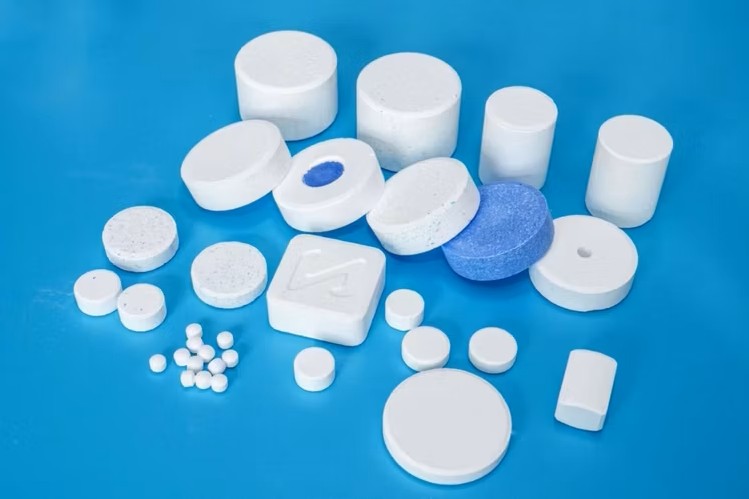
- Tablet formulations: Compressed versions for controlled-release applications in cooling towers and large-scale water systems
Each grade serves distinct market segments. Your wholesale supplier should provide clear documentation on chlorine content, moisture levels (should not exceed 5%), and pH stability ranges.
Key Applications Driving Global SDIC Demand
Swimming Pool and Recreational Water Treatment
The recreational water industry represents approximately 35% of global SDIC consumption. Pool operators favor granular SDIC because it dissolves predictably and maintains consistent chlorine levels without the handling hazards associated with liquid chlorine. For importers targeting this segment, packaging in 1kg, 5kg, and 25kg containers provides flexibility for distributors serving both commercial facilities and residential customers.
Industrial Water Treatment Systems
Cooling towers, boiler systems, and process water applications require continuous disinfection to prevent biofilm formation and microbial contamination. SDIC’s stability makes it particularly valuable here. Industrial buyers typically purchase in bulk (500kg to 1000kg shipments), so your wholesale pricing structure must accommodate volume discounts while maintaining healthy margins.
Agricultural and Livestock Disinfection
Farm operations increasingly rely on SDIC for equipment sanitization, drinking water treatment for livestock, and facility disinfection. This sector values cost-effectiveness and ease of application. Powder formulations in 25kg bags work well for agricultural distributors who repack for end-users.
Drinking Water Purification
In developing regions and emergency response situations, SDIC tablets provide reliable water disinfection. Humanitarian organizations and municipal water authorities maintain ongoing procurement programs. Certification documentation becomes critical here—your supplier must provide WHO compliance statements and relevant safety data sheets.
Selecting the Right Wholesale SDIC Supplier
Quality Assurance: What to Verify
After working with numerous manufacturers across Asia, I’ve learned that supplier verification cannot be rushed. Request the following before committing to any wholesale agreement:
- Certificate of Analysis (CoA) for each batch, showing available chlorine percentage, moisture content, and pH
- ISO 9001 certification demonstrating quality management systems
- REACH compliance documentation for European market access
- Sample testing before large orders—never skip this step
I once advised a client who skipped sample testing. The shipment arrived with 52% available chlorine instead of the promised 60%. The resulting customer complaints cost them far more than the time needed for proper verification.
Packaging and Shipping Considerations
SDIC requires careful handling during transport. Quality suppliers use moisture-resistant packaging with proper labeling. For ocean freight, 25kg bags palletized on fumigated wooden pallets work well. Ensure your supplier understands IMDG (International Maritime Dangerous Goods) requirements—SDIC falls under Class 5.1 oxidizing substances.
Lead times vary significantly. Established manufacturers typically quote 15-25 days for production plus shipping time. Build buffer time into your inventory planning, especially for peak season orders (spring and summer for pool chemicals).
Pricing Structures That Work
Wholesale SDIC pricing fluctuates with raw material costs, particularly cyanuric acid and chlorine. Expect price ranges between $1,800-$2,500 per metric ton FOB, depending on grade, order volume, and market conditions.
Negotiate tiered pricing based on annual commitment volumes. A good supplier will offer better rates for customers who provide forward visibility on their purchasing needs. However, be wary of prices significantly below market average—this often indicates compromised quality or unreliable supply chains.
Regulatory Compliance and Documentation
Import Requirements by Region
Different markets impose varying requirements on SDIC imports:
- European Union: REACH registration mandatory, proper CLP labeling required
- United States: EPA registration for certain applications, OSHA compliance for workplace safety
- Southeast Asia: Varies by country, generally requires health ministry approval for water treatment applications
- Middle East: SASO certification for Saudi Arabia, GCC standards for Gulf countries
Your wholesale supplier should provide assistance with documentation. Experienced manufacturers maintain templates for common certificates and can customize based on your destination market requirements.
Safety Data Sheets and Handling Instructions
Every shipment must include current SDS documentation in languages appropriate for your market. Train your warehouse staff on proper SDIC handling—this compound should never mix with acids or ammonia-based products due to dangerous gas release risks.
Building Long-Term Supplier Relationships
Communication Best Practices
Clear communication prevents costly misunderstandings. Establish regular check-ins with your supplier, particularly during production cycles. I recommend weekly updates during active orders and monthly strategic reviews for ongoing partnerships.
Specify your requirements in writing, including:
- Exact grade specifications
- Packaging preferences
- Labeling requirements
- Documentation needs
- Shipping instructions
Managing Supply Chain Risks
Diversification protects your business. While building strong relationships with primary suppliers, maintain connections with at least one alternative source. This becomes invaluable during production disruptions or unexpected demand surges.
Monitor raw material markets proactively. Cyanuric acid price movements often predict SDIC pricing trends. Staying informed allows you to time purchases strategically and advise your customers appropriately.
FAQ: Common Questions from Chemical Importers
Q: What is the typical shelf life of wholesale SDIC?
A: Properly stored SDIC maintains effectiveness for 2-3 years. Storage conditions matter significantly—keep in cool, dry areas away from direct sunlight and moisture. Humidity above 60% accelerates degradation.
Q: Can SDIC be blended with other water treatment chemicals?
A: Never mix SDIC with acids, ammonia, or other chlorine products. Such combinations create hazardous gases. SDIC works well as a standalone disinfectant or in sequential treatment programs with proper flushing between applications.
Q: What minimum order quantities do wholesale suppliers typically require?
A: Most manufacturers set MOQs between 500kg and 1000kg for first orders. Established customers often access lower MOQs (200-250kg) with premium pricing. Container loads (20-25 metric tons) receive the best per-unit pricing.
Q: How do I verify SDIC quality upon receipt?
A: Conduct iodometric titration testing to confirm available chlorine content. Compare results against the Certificate of Analysis. Reputable suppliers stand behind their specifications and will address discrepancies promptly.
Q: What payment terms are standard for wholesale SDIC orders?
A: Common terms include 30% deposit with balance against copy of Bill of Lading, or Letter of Credit for larger orders. New customers typically face stricter terms until trust is established through successful transactions.
Q: Are there seasonal pricing patterns I should anticipate?
A: Yes. Prices typically rise 10-15% during Q1-Q2 as pool season approaches in Northern Hemisphere markets. Plan your inventory purchases during Q4 when demand softens and manufacturers offer more competitive rates.
Final Thoughts: Your Path to Profitable SDIC Importation
The wholesale SDIC market rewards importers who prioritize quality relationships over rock-bottom pricing. Your reputation with end-users depends on consistent product performance. One bad batch can damage customer trust built over years.
Focus on suppliers who demonstrate transparency, maintain quality certifications, and communicate proactively. The slightly higher cost of working with established manufacturers pays dividends through reduced complaints, fewer returns, and stronger customer retention.
Remember, you’re not just purchasing a chemical compound—you’re investing in a supply chain partnership that supports your business growth. Take time to vet potential suppliers thoroughly, start with trial orders, and build relationships that withstand market fluctuations.
The global water treatment industry continues expanding, driven by increasing health awareness and regulatory requirements. SDIC occupies a secure position in this landscape. With the right wholesale partner, your import business can capture meaningful market share while delivering genuine value to customers worldwide.
Ready to explore wholesale SDIC opportunities? Visit our contact page to discuss your specific requirements and receive customized pricing based on your volume needs and target markets.
Author: Dr. Marcus Wellington
Chemical Distribution Consultant with 15+ years in water treatment specialty chemicals
