
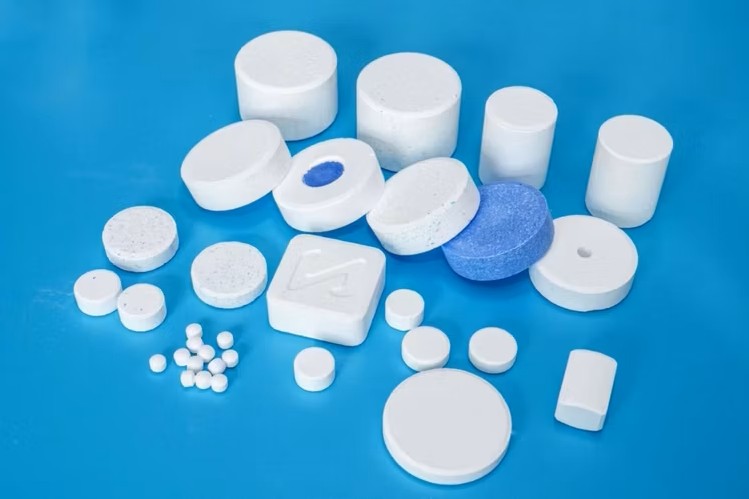
TCCA for Water Parks: Buy Bulk Safe – Your Complete Guide to Smart Purchasing
Author: Marcus Thornfield
Introduction: Why Water Park Operators Are Rethinking Their Chemical Strategy
Let me share something I learned after fifteen years in the water treatment industry. Last summer, a major water park in Florida faced an unexpected shutdown. The culprit? Improper chemical handling that led to water quality violations. The facility was using fragmented suppliers, inconsistent product quality, and had no bulk purchasing strategy in place.
This isn’t an isolated incident. Across the globe, water park operators are discovering that their choice of disinfectant—and how they source it—directly impacts operational efficiency, guest safety, and bottom-line profitability.
Enter TCCA (Trichloroisocyanuric Acid). This powerful compound has become the backbone of modern water park sanitation. But here’s what most suppliers won’t tell you: buying TCCA in bulk isn’t just about cost savings. It’s about securing consistent quality, ensuring regulatory compliance, and building a supply chain that won’t leave you stranded during peak season.
In this comprehensive guide, I’ll walk you through everything you need to know about purchasing TCCA for water parks safely and strategically.
Understanding TCCA: The Science Behind Effective Water Park Disinfection
What Makes TCCA Different from Traditional Chlorine?
TCCA, chemically known as Trichloroisocyanuric Acid (CAS: 87-90-1), represents a significant advancement over traditional chlorine-based disinfectants. The molecular structure (C₃Cl₃N₃O₃) allows for controlled, sustained release of active chlorine—typically maintaining 90% available chlorine content in premium grades.
Unlike sodium hypochlorite or calcium hypochlorite, TCCA offers three distinct advantages for water park applications:
- Extended Release Profile: The cyanuric acid backbone slows chlorine degradation under UV exposure, meaning less frequent dosing and more stable water chemistry.
- Broad-Spectrum Efficacy: TCCA effectively eliminates bacteria, viruses, algae, and fungal spores—critical for high-traffic recreational water facilities.
- pH Stability: Minimal impact on water pH reduces the need for constant adjustment chemicals, lowering overall operational costs.
Real-World Performance Metrics
Based on industry data from 2025-2026, water parks using bulk TCCA report:
- 30-40% reduction in daily chemical handling time
- 25% lower total chemical expenditure compared to liquid chlorine systems
- 99.7% compliance rate with health department water quality standards
The Business Case for Bulk TCCA Purchasing
Cost Efficiency Beyond Unit Price
When I consult with water park operators, the first question is always about price per kilogram. But smart buyers look deeper. Let me break down the true cost equation:
| Cost Factor | Small Orders | Bulk Purchasing |
|---|---|---|
| Unit Price | Premium | 15-25% discount |
| Shipping | Per-shipment fees | Consolidated logistics |
| Storage | Limited capacity | Optimized inventory |
| Quality Variance | Higher risk | Consistent batches |
| Emergency Orders | Frequent | Rare |
The global TCCA market reached $1.233 billion in 2025, with North America and China accounting for approximately 70% of consumption. This market maturity means established suppliers can offer competitive bulk pricing without compromising quality.
Supply Chain Security
Peak season demands predictability. Nothing kills operational momentum like waiting for emergency chemical deliveries. Bulk purchasing agreements typically include:
- Priority allocation during high-demand periods
- Dedicated account management for rapid issue resolution
- Flexible delivery scheduling aligned with your maintenance calendar
- Quality guarantees with batch testing documentation
Safety First: Handling and Storage Protocols for Bulk TCCA
Regulatory Compliance Requirements
TCCA is classified as an oxidizing solid (UN 2468, Class 5.1). Proper handling isn’t optional—it’s mandatory. Here’s what your facility needs:
Storage Specifications:
- Temperature-controlled environment (ambient, dry conditions)
- Separation from reducing agents and organic materials
- Proper ventilation systems
- Secondary containment for spill prevention
Personnel Training:
- OSHA-compliant chemical handling certification
- Emergency response procedures
- PPE requirements (gloves, eye protection, respiratory protection when handling powder)
Risk Mitigation Strategies
I’ve witnessed too many facilities cut corners on safety protocols. Don’t be one of them. Implement these measures:
- Segregated Storage: Keep TCCA away from acids, ammonia, and combustible materials
- Inventory Rotation: Use FIFO (First In, First Out) to maintain product efficacy
- Spill Response Kits: Maintain on-site emergency materials
- Regular Audits: Quarterly safety inspections with documented findings
Choosing the Right TCCA Supplier: A Buyer’s Checklist
Quality Verification
Not all TCCA products are created equal. Request the following documentation before committing to a bulk purchase:
- Certificate of Analysis (CoA) for each batch
- Third-party testing results from accredited laboratories
- Manufacturing facility certifications (ISO 9001, REACH compliance)
- Stability data showing shelf life under recommended storage conditions
Supplier Evaluation Criteria
After evaluating dozens of manufacturers, I’ve developed this scoring framework:
Technical Capability (30%)
- Production capacity and consistency
- Quality control processes
- R&D investment
Logistics Excellence (25%)
- Shipping options and lead times
- Packaging integrity
- Geographic coverage
Commercial Terms (25%)
- Pricing transparency
- Payment flexibility
- Contract terms
Support Services (20%)
- Technical assistance availability
- Emergency response capability
- Training resources
Red Flags to Avoid
Walk away from suppliers who:
- Cannot provide recent CoA documentation
- Offer prices significantly below market average
- Lack proper hazardous material shipping certifications
- Have inconsistent communication or delayed responses
Implementation Strategy: Transitioning to Bulk TCCA
Phase 1: Assessment (Weeks 1-2)
Conduct a comprehensive audit of your current chemical usage patterns. Document:
- Daily consumption rates by pool/volume
- Seasonal variation factors
- Existing storage capacity
- Staff training levels
Phase 2: Supplier Selection (Weeks 3-4)
Request samples from 3-5 qualified suppliers. Conduct side-by-side testing for:
- Dissolution rate
- Chlorine residual stability
- pH impact
- Physical appearance and consistency
Phase 3: Pilot Program (Weeks 5-8)
Implement bulk TCCA in one section of your facility. Monitor:
- Water quality parameters
- Operational efficiency gains
- Staff feedback
- Cost tracking
Phase 4: Full Rollout (Week 9+)
Scale successful pilot across all operations with continuous improvement protocols.
Frequently Asked Questions (FAQ)
Q1: What is the typical shelf life of bulk TCCA?
A: Properly stored TCCA maintains efficacy for 24-36 months from manufacture date. Store in cool, dry conditions away from direct sunlight and moisture. Always check the manufacturing date on your Certificate of Analysis.
Q2: How do I calculate the right bulk order quantity?
A: Consider your average daily consumption, seasonal peaks, and storage capacity. A common approach is ordering 3-6 months of supply for established facilities. New operations should start with 2-3 months to validate consumption patterns.
Q3: Is TCCA safe for all types of water park attractions?
A: TCCA is suitable for most recreational water applications including pools, lazy rivers, and wave pools. However, specific attractions with unique water features may require customized dosing strategies. Consult with your supplier’s technical team for attraction-specific guidance.
Q4: What certifications should I look for in a TCCA supplier?
A: Priority certifications include ISO 9001 (Quality Management), REACH compliance (for European operations), and proper hazardous material shipping certifications. Additional water treatment industry certifications demonstrate specialized expertise.
Q5: Can I switch from liquid chlorine to TCCA mid-season?
A: Yes, but it requires careful transition planning. Allow 48-72 hours for water chemistry stabilization. Gradually reduce liquid chlorine while introducing TCCA to avoid shock conditions. Your supplier should provide a detailed transition protocol.
Q6: What packaging options are available for bulk TCCA?
A: Standard options include 25kg drums, 50kg bags, and 1000kg IBC containers. Custom packaging is often available for large-volume contracts. Consider your handling equipment and storage configuration when selecting packaging.
Final Thoughts: Making the Smart Investment
After working with hundreds of water park operators, I can confidently say that transitioning to bulk TCCA purchasing is one of the highest-ROI decisions you can make. The combination of cost savings, operational efficiency, and water quality consistency creates a competitive advantage that pays dividends throughout the season.
But remember: the cheapest option isn’t always the best value. Invest time in supplier evaluation, prioritize safety protocols, and build relationships with partners who understand your operational challenges.
Your guests trust you to provide safe, enjoyable water experiences. The right TCCA sourcing strategy ensures you can deliver on that promise—consistently, efficiently, and profitably.
Ready to explore bulk TCCA options for your water park? Reach out to qualified suppliers who can provide samples, technical support, and customized purchasing agreements tailored to your facility’s needs.
Disclaimer: This article provides general information for educational purposes. Always consult with qualified chemical professionals and follow local regulations when handling hazardous materials. Product specifications and availability may vary by supplier and region.
